Access to clean drinking water remains one of humanity's most pressing challenges, particularly in remote areas where municipal infrastructure doesn't reach. Whether you're establishing a remote homestead, managing a rural development project, or ensuring water security for an off-grid community, understanding effective purification methods is essential. Off grid water purification systems have evolved significantly, offering reliable solutions that combine time-tested filtration principles with modern engineering to deliver safe drinking water without dependence on centralized utilities.
Understanding Water Contamination in Off-Grid Settings
Raw water sources in remote locations present unique contamination challenges that differ substantially from municipal supply concerns. Boreholes, surface water, rainwater catchment, and natural springs each carry distinct contamination profiles requiring tailored treatment approaches.
Biological contaminants pose the most immediate health risk in untreated water. Bacteria such as E. coli and Salmonella, viruses including hepatitis A and norovirus, and protozoan parasites like Giardia and Cryptosporidium can cause severe illness. The World Health Organization’s evaluation of household water treatment technologies emphasizes that comprehensive off grid water purification must address all three pathogen categories.
Chemical and Physical Impurities
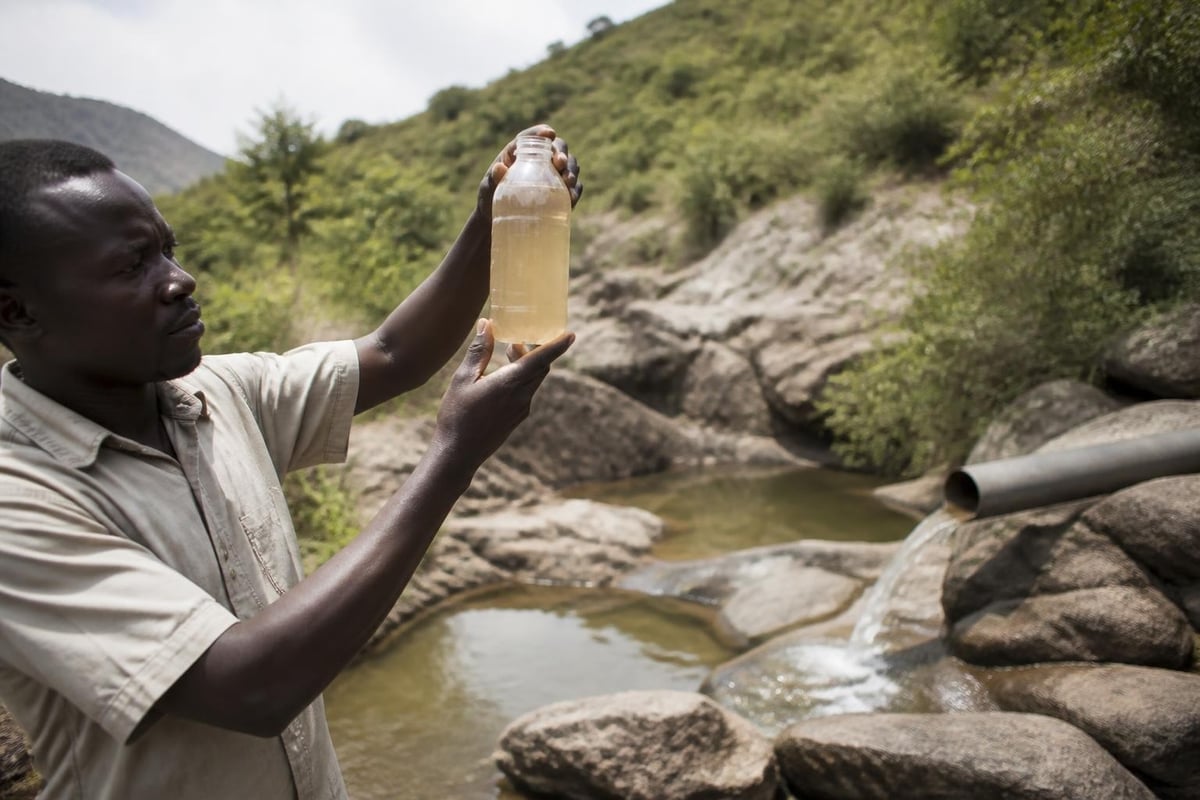
Beyond microbiological threats, off-grid water sources frequently contain dissolved minerals, heavy metals, and agricultural runoff. Iron, manganese, arsenic, and fluoride occur naturally in many aquifers, while nitrates and pesticides indicate agricultural contamination.
Physical impurities include:
- Suspended sediment and turbidity
- Organic matter and tannins
- Rust and scale from infrastructure
- Algae and plant material
| Contaminant Type | Common Sources | Health Impact | Treatment Priority |
|---|---|---|---|
| Bacteria | Surface water, shallow wells | Acute illness | High |
| Viruses | Human/animal waste | Severe disease | High |
| Protozoa | Surface water | Chronic illness | High |
| Heavy metals | Geological deposits | Long-term toxicity | Medium-High |
| Sediment | Erosion, runoff | Aesthetic, equipment damage | Medium |
| Dissolved minerals | Aquifer chemistry | Taste, scaling | Low-Medium |
Mechanical Filtration Systems for Remote Applications
Mechanical filtration forms the foundation of most off grid water purification strategies. These systems physically remove particles, microorganisms, and turbidity through barriers with specific pore sizes.
Ceramic Filter Technology
Ceramic filters manufactured from diatomaceous earth or clay offer exceptional performance in gravity-fed systems. With pore sizes typically between 0.2 and 0.5 microns, quality ceramic elements effectively remove bacteria and protozoan cysts without electricity.
Key advantages include simple operation, long service life, and cleanable filter elements. Many ceramic filters incorporate silver impregnation to prevent bacterial colonization on the filter surface. Flow rates range from two to four liters per hour per candle, making them suitable for household and small community applications.
Maintenance involves regular brushing of the ceramic surface to restore flow rate. Properly maintained ceramic filters can last several years before requiring replacement.
Hollow Fiber Membrane Systems
Hollow fiber membranes represent advanced filtration technology increasingly accessible for off-grid use. These systems contain thousands of tiny hollow fibers with pore sizes of 0.1 to 0.02 microns, achieving absolute filtration of bacteria and protozoa.
Modern hollow fiber systems designed for off grid water purification incorporate backwash mechanisms to maintain flow rates. Unlike ceramic filters, hollow fiber membranes cannot be cleaned once compromised and require complete replacement when throughput declines.
UV Sterilization and Solar Disinfection Methods
Ultraviolet light disrupts the DNA of microorganisms, rendering them unable to reproduce and cause infection. UV sterilization provides chemical-free disinfection particularly effective against viruses that may pass through mechanical filters.
Electric UV Systems
Battery-powered and solar-electric UV systems deliver consistent disinfection performance when properly maintained. These systems require pre-filtration to remove turbidity, as suspended particles shield microorganisms from UV exposure.
Critical operational factors:
- Lamp intensity must meet minimum dose requirements (40 mJ/cm²)
- Quartz sleeves require regular cleaning
- Lamps need replacement every 9,000-12,000 hours
- Water temperature affects UV transmission efficiency
SODIS and Passive Solar Treatment
Solar water disinfection (SODIS) harnesses UV-A radiation and thermal treatment through a remarkably simple process. Clear plastic or glass bottles filled with water and exposed to direct sunlight for six hours achieve significant pathogen reduction.
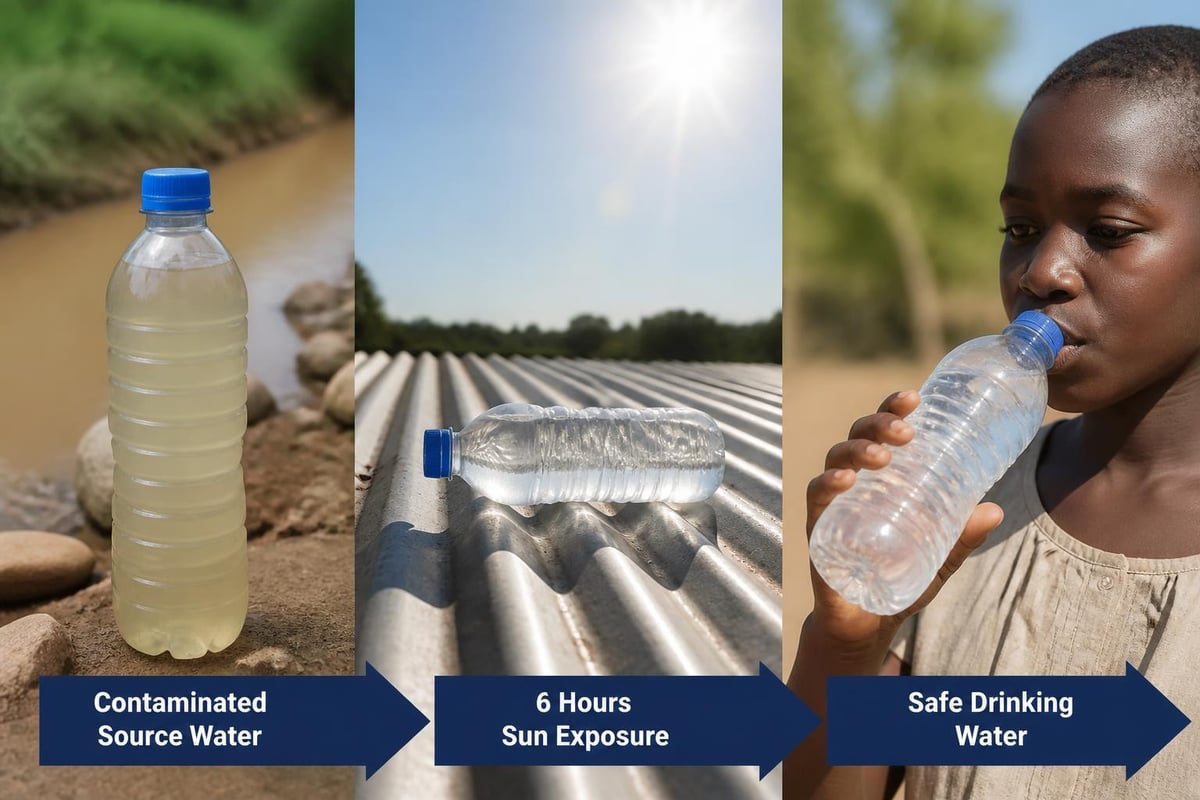
While SODIS requires no equipment investment, its limitations include weather dependency, small batch volumes, and variable effectiveness. The method works best in tropical and subtropical regions with consistent sunshine. Research on decentralized solar powered water purification systems demonstrates how passive solar methods integrate into broader off-grid water strategies.
Chemical Treatment and Oxidation Processes
Chemical disinfection provides reliable pathogen inactivation when mechanical filtration and UV systems aren't feasible. These methods excel in emergency situations and as backup treatment layers.
Chlorination Fundamentals
Chlorine remains the most widely used chemical disinfectant globally due to its effectiveness, low cost, and residual protection. For off grid water purification, sodium hypochlorite solution (household bleach) offers the most practical chlorine source.
Proper dosing requires 2-4 mg/L of free chlorine, typically achieved with 2-4 drops of unscented 5% bleach per liter of clear water. Contact time of 30 minutes ensures adequate disinfection. Turbid water requires pre-filtration or doubled chlorine doses.
Chlorination limitations include poor effectiveness against Cryptosporidium, potential formation of disinfection byproducts, and taste/odor issues at higher concentrations.
Alternative Chemical Oxidants
Chlorine dioxide generates more stable residual protection and greater effectiveness against resistant protozoa compared to chlorine. Tablet-based systems simplify dosing in field conditions.
Ozone provides powerful oxidation without chemical residuals but requires electricity for generation. Small ozone systems suitable for off-grid applications have emerged in recent years, though maintenance complexity exceeds simpler methods.
Multi-Barrier Treatment Approaches
Professional water treatment engineering recognizes that no single technology addresses all contamination risks. Multi-barrier systems combine complementary treatment processes to achieve comprehensive purification.
Designing Effective Treatment Trains
A robust off grid water purification system typically sequences treatments in this order:
- Pre-filtration removes gross solids and reduces turbidity
- Primary treatment eliminates microbiological contaminants
- Secondary treatment provides additional pathogen barrier
- Polishing addresses chemical constituents and taste
- Storage maintains water quality until use
This approach ensures that if one barrier underperforms, subsequent treatments prevent contaminated water from reaching consumers.
Integration Example for Borehole Systems
Consider a borehole supplying water to an off-grid facility. Raw water first passes through a sediment filter removing particles above 20 microns. Next, a ceramic filter stage addresses bacteria and protozoa. UV sterilization targets viruses and provides an additional bacterial barrier. Finally, activated carbon polishing removes residual tastes and any remaining chemical constituents.
| Treatment Stage | Technology | Target Contaminants | Flow Rate Impact |
|---|---|---|---|
| Pre-filtration | Sediment filter | Particles >20 microns | 5% reduction |
| Primary | Ceramic filter | Bacteria, protozoa | 30% reduction |
| Secondary | UV sterilization | Viruses, bacteria | Minimal |
| Polishing | Carbon filter | Organics, chlorine, taste | 10% reduction |
Power Solutions for Off-Grid Purification Equipment
Energy availability fundamentally shapes technology selection for remote water treatment. Solar power has revolutionized off grid water purification by enabling sophisticated treatment systems in locations completely disconnected from electrical grids.
Solar-Electric System Design
Photovoltaic panels paired with battery storage provide reliable power for UV lamps, pumps, and monitoring equipment. System sizing must account for peak treatment demand, battery autonomy during cloudy periods, and seasonal solar variation.
A typical household system (serving 6-8 people) requires approximately 100-200 watts of solar capacity with 200-400 amp-hours of battery storage. Commercial and community-scale installations demand proportionally larger systems with professional engineering.
Critical design considerations:
- Peak sun hours in your geographic location
- Seasonal variation in solar resource
- Battery depth-of-discharge limits
- Inverter efficiency losses
- Equipment surge current requirements
Gravity-Fed and Passive Systems
When eliminating electricity dependency is paramount, gravity-powered systems offer exceptional reliability. Properly designed gravity systems deliver adequate flow rates for most residential applications while requiring zero energy input.
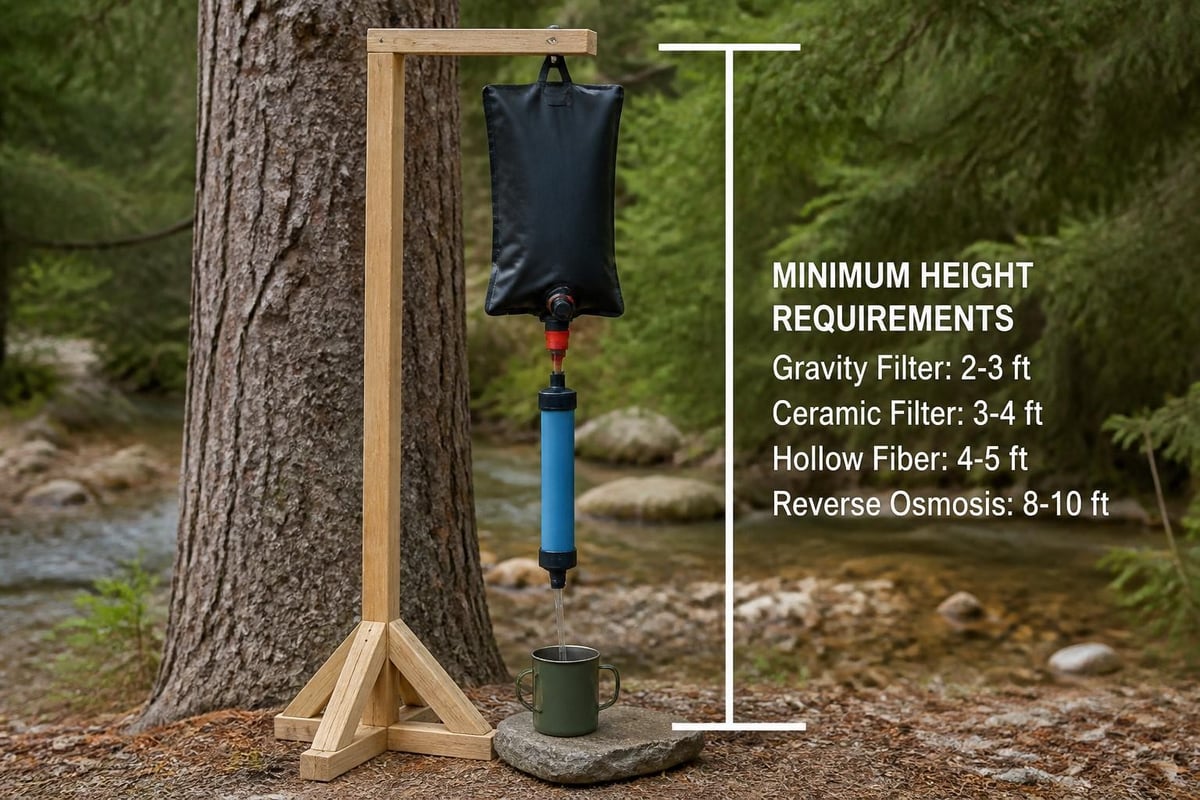
Elevation differential between water source and point of use determines available pressure. Each meter of elevation provides approximately 0.1 bar (1.5 psi) of pressure. Most gravity filters require minimum 1-2 meters of head for acceptable flow rates.
Maintenance Protocols and Long-Term Reliability
Even the most robust off grid water purification system fails without proper maintenance. Remote locations present unique service challenges that demand proactive protocols and local capacity building.
Preventive Maintenance Schedules
Establishing routine inspection and service intervals prevents catastrophic failures and extends equipment life. Different components require varying attention frequencies:
Weekly tasks include visual inspection of filter housings, checking for leaks, monitoring flow rates, and testing residual disinfectant levels if using chlorination.
Monthly activities involve cleaning pre-filters, inspecting UV lamp operation, testing treated water quality, and documenting system performance metrics.
Quarterly maintenance includes replacing sediment filters, cleaning ceramic elements, testing backup power systems, and comprehensive water quality analysis.
Annual service encompasses UV lamp replacement, system sanitization, replacement of worn seals and gaskets, and professional performance verification.
Spare Parts and Supply Chains
Remote installations must maintain adequate spare parts inventory to minimize downtime. Critical consumables include replacement filter cartridges, UV lamps, O-rings and seals, and chemical disinfectants.
Establishing relationships with reliable suppliers before emergencies arise prevents extended outages. WHO’s evaluated products list helps identify technologies with established supply chains and documented replacement part availability.
Water Quality Testing and Monitoring
You cannot manage what you don't measure. Regular testing confirms that off grid water purification systems perform as designed and alerts operators to developing problems before they compromise water safety.
Essential Testing Parameters
Microbiological testing provides the most critical water safety information. E. coli presence indicates fecal contamination and treatment system failure. Testing frequency should be weekly for new systems and monthly for established, well-performing installations.
Field test kits enable on-site analysis without laboratory access. Presence/absence tests offer simpler operation than quantitative methods while providing actionable results for system operators.
Physical and chemical parameters worth monitoring include:
- Turbidity (should be <1 NTU after treatment)
- pH (affects disinfection effectiveness)
- Total dissolved solids
- Residual disinfectant concentration
- Temperature
Maintaining detailed testing records documents system performance trends and supports troubleshooting when problems arise.
Scaling Systems for Community Applications
Individual household systems operate under different constraints than community-scale installations serving dozens or hundreds of people. Larger systems require more sophisticated engineering, professional operation, and sustainable financing.
Centralized vs. Distributed Treatment
Communities face a fundamental choice between centralized treatment with distribution networks versus distributed point-of-use systems at each household.
Centralized systems offer:
- Professional operation and maintenance
- Economies of scale in treatment
- Consistent water quality monitoring
- Lower per-capita capital costs
Distributed systems provide:
- No piping infrastructure required
- Household control and ownership
- Reduced total system vulnerability
- Simpler expansion as community grows
The optimal approach depends on settlement density, available technical capacity, financing mechanisms, and community preferences. Many successful programs combine elements of both strategies.
Capacity Building and Local Ownership
Sustainable community water systems require local technical capacity. Training programs should develop skills in routine operation, basic troubleshooting, water quality testing, and preventive maintenance.
Establishing clear governance structures with defined roles, fee collection mechanisms, and transparent financial management determines long-term viability. External support should focus on building institutional capacity rather than creating permanent dependency.
Emerging Technologies and Future Developments
Innovation continues advancing off grid water purification capabilities. Several emerging technologies show promise for expanding access to safe water in remote locations.
Advanced Membrane Systems
Forward osmosis and membrane distillation technologies harness alternative driving forces beyond hydraulic pressure. These systems show potential for off-grid applications using waste heat or solar thermal energy, though commercial availability remains limited in 2026.
Graphene-enhanced membranes promise higher flux rates and improved fouling resistance. As manufacturing scales up, costs should decrease toward practical deployment ranges.
Electrochemical Treatment
Electrochlorination generates disinfectant from dissolved salts in source water, eliminating chemical supply chains. Small solar-powered units have entered the market for community-scale applications.
Capacitive deionization removes dissolved salts through electric fields, offering a lower-pressure alternative to reverse osmosis for brackish water treatment.
Monitoring and Smart Systems
Internet-of-things sensors enable remote monitoring of off grid water purification systems. Real-time data on flow rates, water quality parameters, and equipment status supports proactive maintenance and rapid problem response.
As cellular and satellite connectivity expands into remote areas, connected water systems will improve reliability and reduce operator burden.
Selecting and implementing effective off grid water purification systems requires careful assessment of source water quality, treatment objectives, available resources, and long-term maintenance capacity. The technologies and approaches outlined above provide proven pathways to safe drinking water in locations beyond centralized infrastructure reach. Whether you're developing a single remote property or supporting an entire off-grid community, Terrabuilds Group delivers the engineering expertise, quality equipment, and ongoing support to ensure your water treatment system performs reliably for years to come.