Accessing clean, reliable groundwater through drilling has become increasingly important for residential, agricultural, and commercial properties worldwide. Whether you're considering a new installation or managing an existing groundwater source, understanding the complexities of water quality, testing requirements, and treatment options is essential for protecting health and ensuring long-term reliability. This comprehensive guide explores the critical aspects of borehole water management, from initial assessment through ongoing maintenance and purification.
Understanding Borehole Water Sources and Construction
Water from a borehole originates from underground aquifers accessed through vertical drilling into geological formations. The depth, diameter, and construction specifications vary significantly based on local geology, aquifer characteristics, and intended water usage. Professional drilling typically reaches depths between 50 and 400 feet, though some installations extend considerably deeper to access reliable aquifer zones.
The construction process involves several critical components that directly impact water quality and system longevity. Proper casing installation prevents surface contamination from entering the water column, while grout sealing creates an impermeable barrier between the borehole wall and casing. The EPA provides detailed guidance on well construction that emphasizes these protective measures as fundamental to maintaining safe water supplies.
Site Selection and Geological Considerations
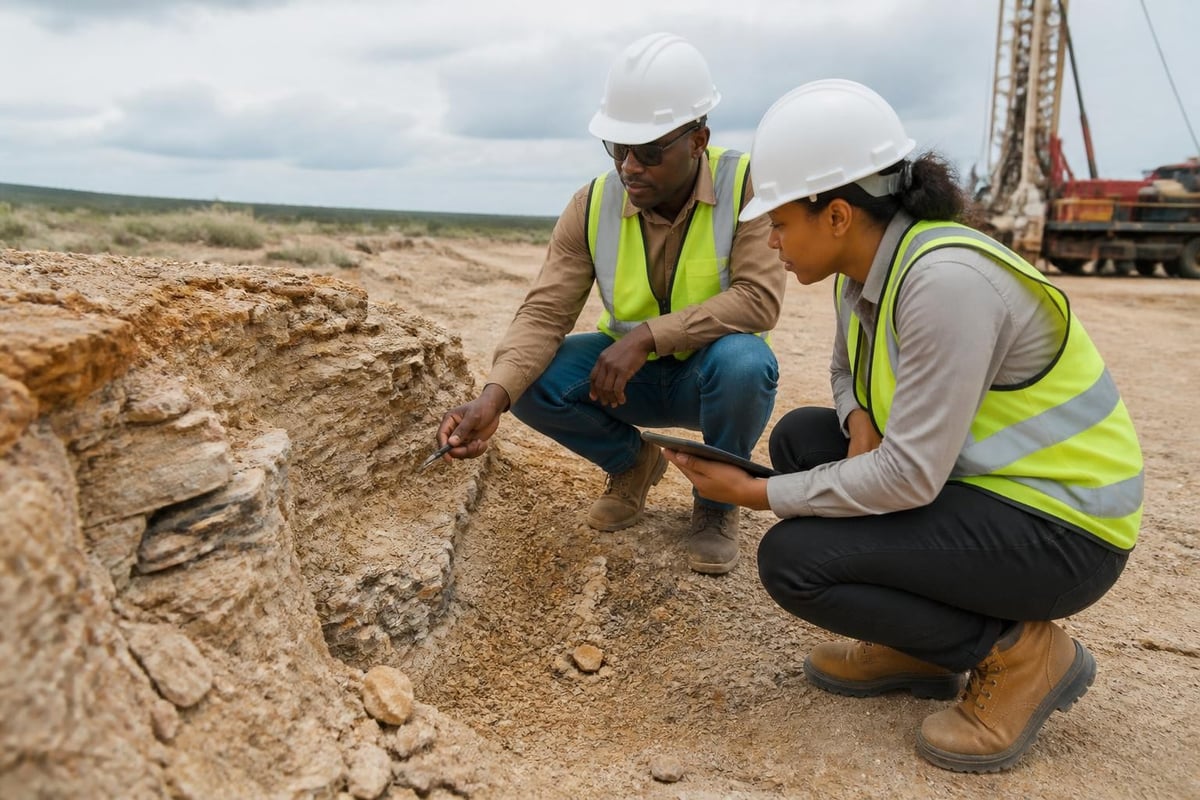
Selecting an appropriate drilling location requires careful evaluation of multiple factors that influence both water availability and quality. Proximity to potential contamination sources such as septic systems, agricultural operations, or industrial facilities must be carefully assessed during the planning phase.
Key site evaluation criteria include:
- Minimum setback distances from contamination sources (typically 50-100 feet from septic systems)
- Surface drainage patterns that could introduce pollutants
- Geological formations and known aquifer locations
- Historical water quality data from nearby installations
- Accessibility for drilling equipment and future maintenance
The British Geological Survey offers extensive groundwater resources that can inform site selection decisions, particularly regarding aquifer characteristics and regional groundwater quality patterns.
Water Quality Characteristics and Testing Requirements
Water from a borehole exhibits quality characteristics shaped by the geological formations it passes through and potential contamination pathways. Unlike treated municipal supplies, borehole water arrives untreated and may contain dissolved minerals, naturally occurring compounds, or introduced contaminants that affect safety and usability.
Primary Contaminant Categories
Understanding potential water quality issues begins with recognizing the main categories of contamination. Microbiological contaminants include bacteria, viruses, and parasites that may enter through improper construction or surface intrusion. Chemical contaminants range from naturally occurring minerals like iron and manganese to concerning substances such as nitrates, arsenic, or heavy metals.
Recent research has documented significant concerns regarding chemical contamination. A comprehensive review of heavy metal contamination in boreholes highlights the prevalence of elevated arsenic, lead, and other toxic metals in certain geological contexts, particularly in developing regions with limited regulatory oversight.
| Contaminant Type | Common Examples | Health/Aesthetic Impact | Testing Frequency |
|---|---|---|---|
| Microbiological | E. coli, coliform bacteria | Immediate health risk | Annually minimum |
| Inorganic chemicals | Nitrates, arsenic, fluoride | Chronic health effects | Every 3-5 years |
| Organic chemicals | Pesticides, solvents | Cancer risk, reproductive harm | As needed based on risk |
| Radionuclides | Radon, uranium | Long-term cancer risk | Initial test + periodic |
| Physical parameters | Iron, manganese, hardness | Staining, taste, scaling | Annually |
Establishing a Testing Protocol
Comprehensive water testing should begin immediately after installation and continue on a regular schedule throughout the borehole's operational life. Initial baseline testing should include a complete analysis covering microbiological indicators, major inorganic constituents, physical parameters, and any region-specific concerns identified during site assessment.
The WHO provides detailed sanitary inspection guidance that helps identify risk factors requiring enhanced monitoring. Annual testing should minimally include coliform bacteria, nitrates, and parameters that previously showed concerning levels or seasonal variation.
Situations requiring immediate testing include:
- Changes in water taste, odor, or appearance
- Known contamination events near the borehole location
- Flooding or well inundation events
- Repairs or modifications to the system
- Illness among regular water users
Contamination Pathways and Prevention Strategies
Water from a borehole faces contamination risks through multiple pathways, both during initial construction and throughout operational life. Surface water intrusion represents the most common mechanism, occurring when inadequate sealing allows rainfall runoff, snowmelt, or flooding to carry contaminants directly into the water column.
Construction-Related Vulnerabilities
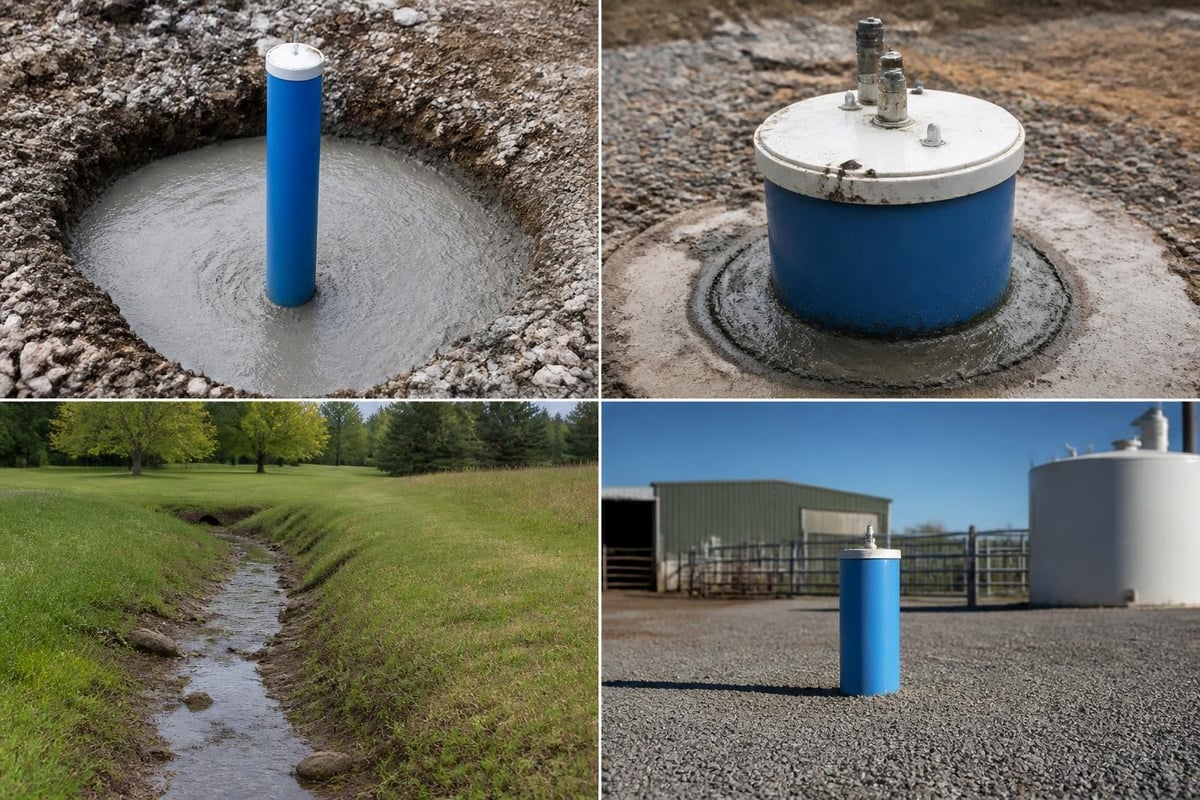
Proper construction techniques serve as the primary defense against contamination. Inadequate grouting between the casing and borehole wall creates channels for surface water migration. Insufficient casing depth fails to isolate the water source from near-surface contaminated zones. Poor wellhead protection allows direct entry of surface water, insects, or debris into the system.
A peer-reviewed study examining rural borehole contamination across multiple countries found significant correlations between sanitary inspection scores and microbial water quality, demonstrating that physical protection measures directly impact contamination risk.
Ongoing Protection Measures
Maintaining water quality requires continuous attention to the area surrounding the borehole and regular system inspections. Surface grading should direct water flow away from the wellhead, preventing ponding that could infiltrate through seals or damaged components. Vegetation management around the immediate area prevents root intrusion while maintaining soil stability.
The EPA’s guidance on protecting private wells emphasizes regular visual inspections and prompt attention to any changes in nearby land use that could introduce new contamination risks.
Treatment Solutions for Borehole Water
Even properly constructed installations often require treatment to address naturally occurring minerals or occasional contamination events. Water from a borehole benefits from customized treatment approaches based on specific quality challenges identified through testing.
Common Treatment Technologies
Microbiological disinfection addresses bacteria and viruses through ultraviolet light systems, chlorination, or ozone treatment. UV systems offer chemical-free disinfection without altering taste, making them popular for borehole installations where periodic bacterial contamination occurs. Filtration systems remove particulates, sediment, and some microorganisms, with options ranging from simple sediment filters to sophisticated multimedia systems.
Chemical treatment approaches include:
- Ion exchange water softeners for hardness reduction
- Reverse osmosis systems for comprehensive contaminant removal
- Activated carbon filtration for organic compounds and taste/odor
- Oxidation followed by filtration for iron and manganese
- Specialized media for arsenic, nitrate, or other specific contaminants
| Treatment Method | Target Contaminants | Advantages | Considerations |
|---|---|---|---|
| UV disinfection | Bacteria, viruses | Chemical-free, low maintenance | Requires clear water, no residual protection |
| Reverse osmosis | Dissolved solids, heavy metals, nitrates | Comprehensive removal | Water waste, slow production |
| Water softening | Calcium, magnesium (hardness) | Prevents scaling, improves efficiency | Adds sodium, requires regeneration |
| Activated carbon | Chlorine, organics, taste/odor | Versatile, relatively inexpensive | Requires periodic replacement |
| Oxidation/filtration | Iron, manganese, hydrogen sulfide | Effective for common minerals | System complexity, maintenance needs |
Designing an Integrated Treatment System
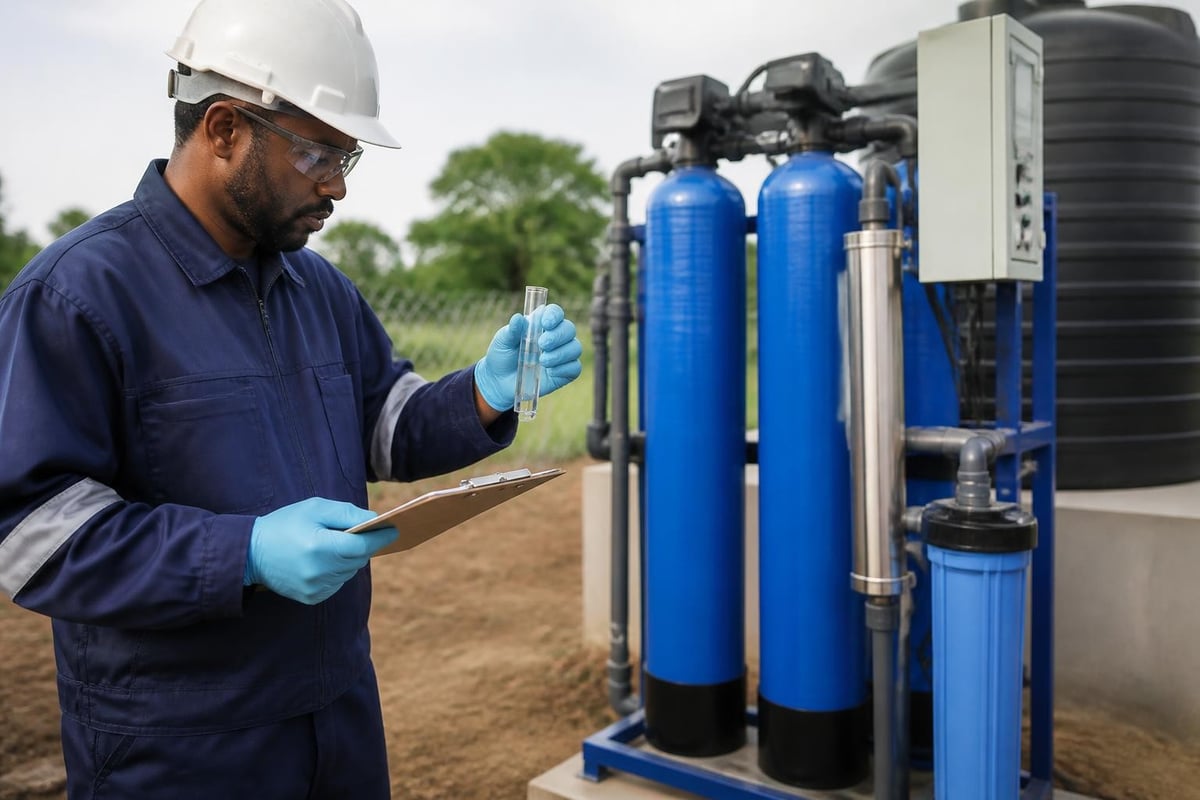
Professional water treatment design matches technologies to specific quality challenges while considering factors like flow rate requirements, space constraints, and operational preferences. Sequential treatment often proves necessary when multiple contaminants require different removal mechanisms.
For example, water from a borehole containing iron, bacteria, and hardness might require oxidation and filtration for iron removal, followed by UV disinfection and water softening. Industry best practices from the National Ground Water Association provide technical guidance on system design and component selection.
Advanced Monitoring and Groundwater Assessment
Modern approaches to borehole water management increasingly incorporate technology-enhanced monitoring and predictive assessment tools. These methods help identify emerging quality issues before they impact water users and optimize treatment system performance.
Continuous Monitoring Systems
Installing sensors that track parameters like turbidity, pH, conductivity, and disinfection system performance enables early detection of changes that might indicate contamination events or system failures. Data logging creates historical records valuable for identifying seasonal patterns or gradual quality degradation.
Recent developments in artificial intelligence and machine learning have revolutionized groundwater assessment capabilities. A 2026 systematic review on AI/ML applications in groundwater quality mapping demonstrates how these technologies improve prediction of contamination risks and optimize monitoring strategies based on geospatial and temporal patterns.
Sanitary Surveys and Risk Assessment
Periodic sanitary inspections evaluate physical conditions and identify potential contamination pathways requiring remediation. These structured assessments examine wellhead integrity, surface conditions, nearby activities, and maintenance records to generate comprehensive risk profiles.
Essential inspection elements include:
- Wellhead seal condition and integrity
- Casing visible above ground surface
- Concrete pad condition and slope
- Cap or cover security and venting
- Distance to potential contamination sources
- Surface drainage patterns
- Evidence of recent flooding or ponding
- Condition of pumping equipment and electrical components
The WHO’s guidelines for drinking-water quality provide comprehensive frameworks for risk assessment and management specific to groundwater sources, emphasizing preventive approaches over reactive treatment.
Maintenance Requirements and System Longevity
Proper maintenance extends the operational life of borehole installations while protecting water quality and system efficiency. Water from a borehole requires regular attention to mechanical components, protective infrastructure, and water quality monitoring to ensure continued reliable service.
Routine Maintenance Tasks
Quarterly inspections should verify that protective covers remain secure, drainage systems function properly, and no new potential contamination sources have appeared near the installation. Annual professional servicing typically includes pump performance evaluation, electrical system checks, and component replacement as needed.
Treatment system maintenance varies by technology but generally requires filter cartridge replacement, media regeneration or replacement, UV lamp changes, and disinfection system verification. Keeping detailed maintenance logs helps identify recurring issues and supports troubleshooting when problems arise.
Performance Monitoring and Optimization
Tracking key performance indicators reveals gradual efficiency losses or emerging problems before they cause system failures. Water production rates should remain relatively stable; significant decline may indicate screen clogging, pump wear, or aquifer issues. Treatment system efficiency metrics like regeneration frequency, filter pressure differential, or UV intensity verify that purification remains effective.
| Monitoring Parameter | Normal Pattern | Warning Signs | Action Required |
|---|---|---|---|
| Flow rate/yield | Stable within 10-15% | Decline >20% from baseline | Inspect pump, screen; consider well rehabilitation |
| Static water level | Seasonal variation only | Steady decline | Investigate aquifer conditions, nearby pumping |
| Turbidity | Consistently low | Sudden increase | Check wellhead integrity, filter system |
| Treatment efficiency | Meets specifications | Breakthrough of contaminants | Replace media/filters, adjust settings |
| Energy consumption | Gradual increase with age | Sudden spike or drop | Inspect electrical, mechanical components |
Regulatory Compliance and Documentation
While private borehole installations often face fewer regulatory requirements than public water systems, understanding applicable standards and maintaining comprehensive documentation protects both water quality and property value. Water from a borehole used for domestic supply should meet drinking water standards even when not legally mandated to do so.
Record Keeping Best Practices
Comprehensive documentation serves multiple purposes, from supporting property transactions to diagnosing system problems and demonstrating due diligence in water quality management. Construction records should include as-built specifications, geological logs, casing and screen details, and initial development reports.
Essential documentation includes:
- Original drilling and construction specifications
- Geological logs and aquifer characteristics
- Complete water quality test results with dates
- Treatment system specifications and operating manuals
- Maintenance logs and service records
- Sanitary inspection reports
- Any remediation or rehabilitation work performed
Testing Laboratory Selection
Choosing certified laboratories for water quality analysis ensures reliable results acceptable to health authorities and lending institutions. State-certified laboratories must meet quality assurance standards and participate in proficiency testing programs that verify analytical accuracy.
When submitting samples, follow proper collection protocols to ensure results reflect actual conditions. Use sterile containers for microbiological testing, collect samples from specific locations based on testing purpose, and maintain appropriate holding times and temperatures during transport to the laboratory.
Seasonal Considerations and Climate Impacts
Water from a borehole experiences quality fluctuations influenced by seasonal precipitation patterns, temperature changes, and agricultural activities. Understanding these variations helps distinguish normal seasonal changes from concerning contamination events requiring intervention.
Spring and Wet Season Challenges
Increased rainfall and snowmelt elevate groundwater tables and accelerate movement through soil and rock formations. This enhanced recharge can mobilize contaminants or introduce surface water into poorly sealed installations. Nitrate levels often peak following spring application of agricultural fertilizers, while microbiological contamination risks increase during flooding events.
Spring represents the optimal time for comprehensive water testing, capturing conditions when contamination risks peak and providing early detection of issues that might worsen through the active use season.
Drought and Low Water Conditions
Extended dry periods reduce aquifer recharge, potentially lowering water tables and concentrating dissolved minerals in remaining groundwater. Yield reduction may occur as water levels drop below intake screens. Water quality changes during drought can include increased hardness, iron, or other naturally occurring constituents as mineral-rich deeper water becomes proportionally more significant.
Monitoring static water levels during dry periods provides early warning of supply sustainability issues and informs decisions about conservation measures or system modifications to access deeper aquifer zones.
Ensuring safe, reliable water from a borehole requires understanding quality risks, implementing appropriate testing protocols, and deploying effective treatment solutions tailored to specific contamination challenges. Whether you're developing a new groundwater source or optimizing an existing installation, professional expertise makes the difference between adequate water access and truly safe, high-quality supply. Terrabuilds Group combines technical excellence in borehole drilling with comprehensive water treatment solutions, delivering integrated systems designed for your specific geological conditions and water quality requirements. Contact us today to discuss how our engineering expertise and commitment to quality can secure your water future.