Domestic water represents the lifeblood of every household, supporting drinking, cooking, cleaning, and countless daily activities. Yet the quality and safety of water flowing through residential taps varies dramatically based on source, infrastructure, and treatment methods. Understanding what defines domestic water quality, the potential contaminants that threaten it, and the solutions available to ensure safety has never been more critical for homeowners and property developers alike. This comprehensive guide explores the essential aspects of domestic water systems, treatment options, and best practices for maintaining safe, reliable water access.
Understanding Domestic Water Sources and Quality
Domestic water originates from two primary sources: public municipal systems and private wells. Municipal water undergoes centralized treatment before distribution, while private wells draw directly from groundwater aquifers. Each source presents unique advantages and challenges for water quality management.
Public Water Systems
Public systems serve the majority of urban and suburban households, treating water according to drinking water safety standards established by the WHO and national regulators. These facilities employ multiple treatment stages including filtration, disinfection, and chemical adjustment to meet quality benchmarks before water enters distribution networks.
Despite rigorous treatment protocols, several factors can compromise domestic water quality after it leaves the treatment plant:
- Aging infrastructure and corroded pipes
- Cross-contamination from plumbing fixtures
- Chemical residuals from treatment processes
- Biofilm development in distribution systems
- Pressure fluctuations causing sediment disturbance
Water quality at the tap may differ significantly from quality at the treatment plant, making point-of-use assessment essential for households concerned about their domestic water supply.
Private Wells and Groundwater Sources
Approximately 15 percent of American households rely on private wells for domestic water, according to EPA data. Well owners bear complete responsibility for their water quality, as these sources receive no municipal oversight or treatment. The EPA provides comprehensive guidance for private well owners covering testing protocols, maintenance schedules, and contamination response.
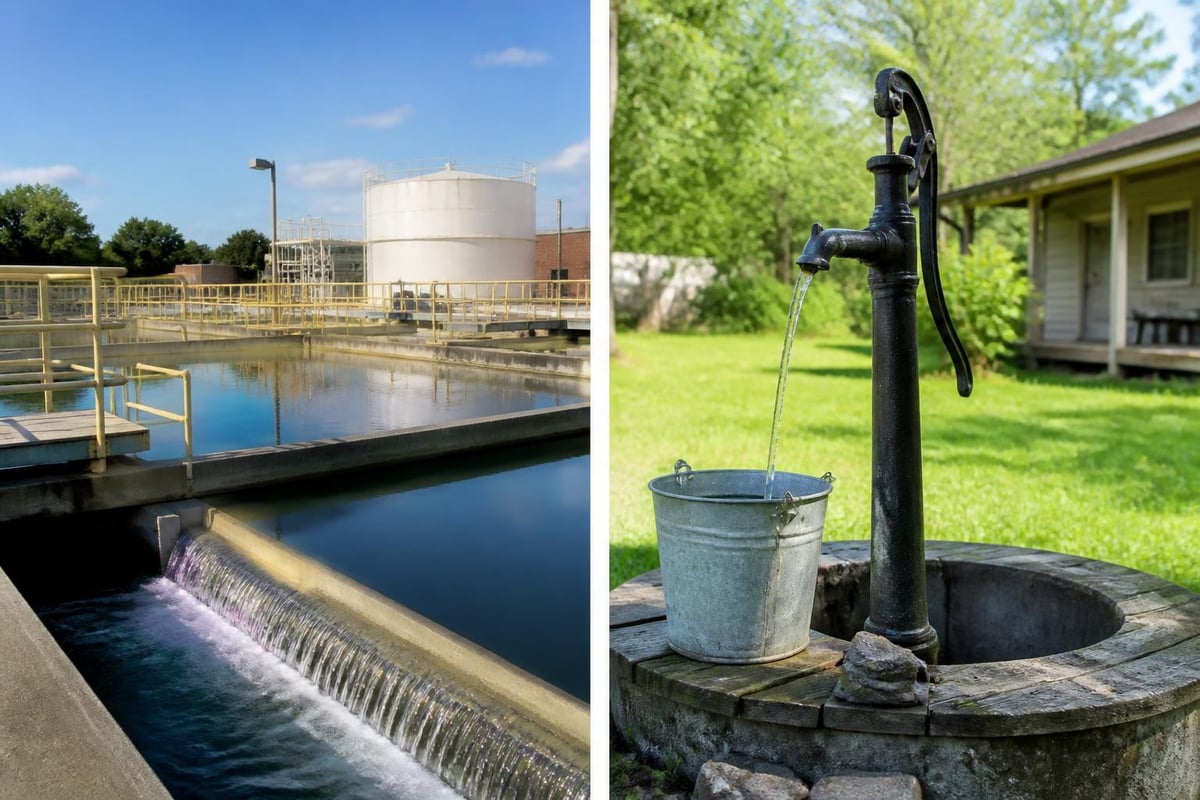
Groundwater quality depends heavily on geological formations, land use patterns, and nearby contamination sources. Agricultural runoff, industrial discharge, and naturally occurring minerals all influence the chemical composition of well water before it reaches household taps.
Common Contaminants in Domestic Water
Understanding potential contaminants helps homeowners make informed decisions about testing and treatment. Domestic water faces contamination threats from biological, chemical, and physical sources, each requiring different treatment approaches.
Microbiological Hazards
Bacteria, viruses, and parasites represent immediate health threats when present in domestic water. Coliform bacteria serve as indicator organisms, suggesting potential fecal contamination and the possible presence of pathogens like E. coli, Giardia, or Cryptosporidium.
Common entry points for biological contaminants include:
- Compromised well casings or seals
- Surface water infiltration during flooding
- Septic system failures near water sources
- Cross-connections in plumbing systems
- Biofilm breakdown in distribution pipes
Chemical Pollutants
Chemical contaminants span a broad spectrum from heavy metals to synthetic compounds. Lead leaching from outdated plumbing remains a persistent concern in older homes, while agricultural communities face elevated nitrate levels from fertilizer application. The EPA has highlighted emerging contaminants in private wells, including PFAS (per- and polyfluoroalkyl substances), which present long-term health risks even at low concentrations.
| Contaminant Category | Common Examples | Primary Health Concerns |
|---|---|---|
| Heavy Metals | Lead, arsenic, mercury | Neurological damage, cancer risk |
| Inorganic Compounds | Nitrates, fluoride | Methemoglobinemia, skeletal fluorosis |
| Organic Chemicals | Pesticides, PFAS | Endocrine disruption, cancer |
| Disinfection Byproducts | Trihalomethanes, haloacetic acids | Long-term cancer risk |
Physical Impurities
Sediment, turbidity, and mineral deposits affect both water quality and household plumbing systems. While often not directly harmful to health, excessive hardness causes scale buildup, reduces appliance efficiency, and creates aesthetic concerns like staining and unpleasant taste.
Domestic Water Testing and Monitoring
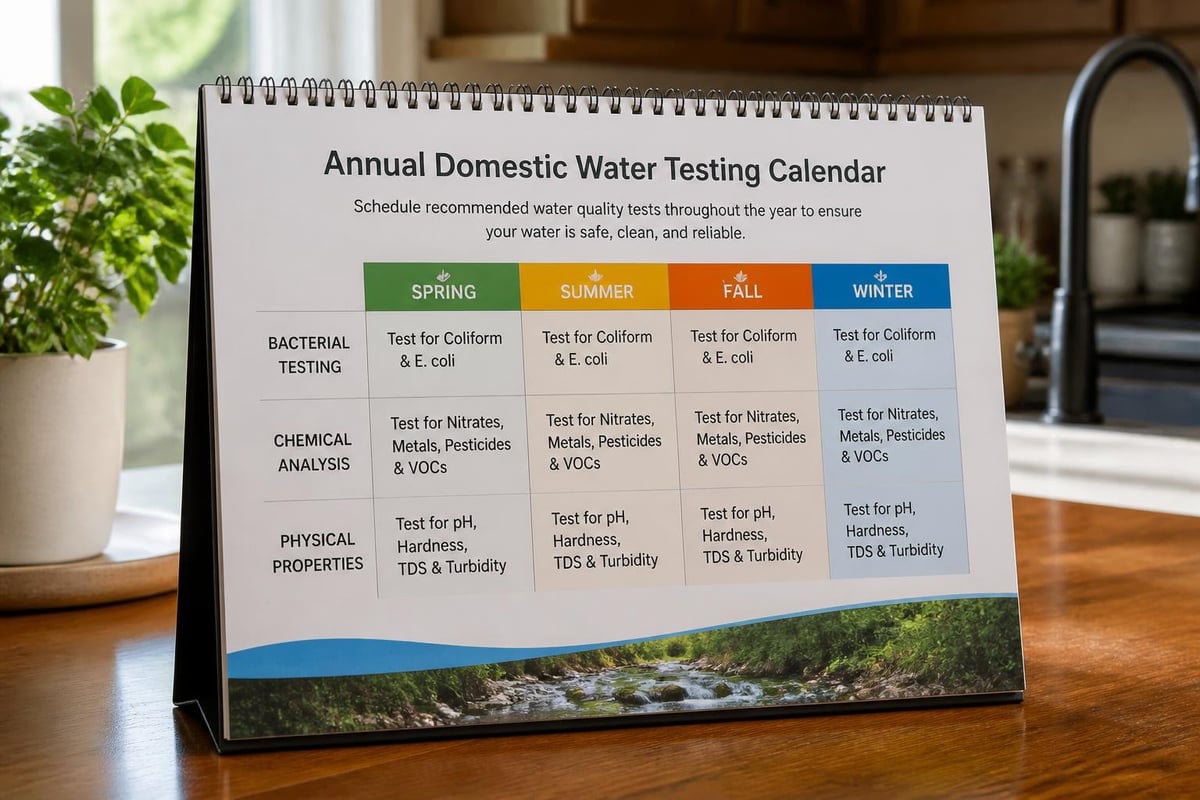
Regular testing forms the foundation of any effective water quality management program. Testing frequency and parameters should reflect the water source, local contamination risks, and household vulnerabilities such as pregnant women or young children.
Testing Protocols for Different Sources
Municipal water customers receive annual water quality reports from their suppliers, yet point-of-use testing remains valuable for identifying problems in household plumbing. Private well owners face more extensive testing responsibilities with no standardized reporting system.
Recommended testing schedule for private wells:
- Annual testing for coliform bacteria and nitrates
- Every three years for pH, dissolved solids, and common minerals
- Whenever household members experience unexplained illness
- After well maintenance, flooding, or nearby land-use changes
- When purchasing property or before new construction
The Global monitoring data from WHO and UNICEF reveals significant disparities in domestic water access and quality worldwide, emphasizing the importance of localized testing rather than relying solely on regional assumptions.
Selecting a Certified Laboratory
Certified laboratories employ standardized methods and quality controls that ensure accurate, legally defensible results. State environmental agencies maintain lists of certified testing facilities, while water quality associations provide laboratory directories searchable by location and testing capabilities.
When submitting samples, proper collection technique prevents contamination and ensures representative results. Sterilized containers, appropriate preservation methods, and timely delivery to the laboratory all impact data quality.
Domestic Water Treatment Solutions
Treatment system selection depends on identified contaminants, water usage volumes, maintenance capacity, and budget constraints. Modern treatment technologies range from simple sediment filters to sophisticated multi-stage purification systems.
Point-of-Entry Systems
Whole-house treatment systems install where the main water line enters the building, treating all domestic water before distribution to individual fixtures. This approach provides comprehensive protection for drinking, bathing, laundry, and appliance use.
Common point-of-entry technologies include:
- Water softeners: Ion exchange systems that remove calcium and magnesium hardness
- Sediment filters: Mechanical filtration removing particles and turbidity
- Oxidation systems: Iron and manganese removal through precipitation
- Disinfection units: UV light or chemical treatment eliminating microorganisms
- Activated carbon filters: Organic chemical and taste/odor reduction
The EPA WaterSense guide to home water treatment provides detailed comparisons of treatment technologies, helping homeowners match specific contaminants to appropriate removal methods.
Point-of-Use Devices
Point-of-use systems treat domestic water at individual taps, typically focusing on drinking and cooking water. These compact units offer targeted treatment without the expense and space requirements of whole-house systems.
| Treatment Type | Contaminants Removed | Maintenance Requirements | Typical Lifespan |
|---|---|---|---|
| Reverse Osmosis | Dissolved solids, heavy metals, fluoride | Filter changes every 6-12 months | 10-15 years |
| Activated Carbon | Chlorine, VOCs, pesticides | Filter replacement every 3-6 months | 5-10 years |
| Distillation | Minerals, heavy metals, bacteria | Regular cleaning, energy intensive | 15-20 years |
| Ceramic Filters | Bacteria, sediment, some chemicals | Periodic cleaning, cartridge replacement | 5-7 years |
Certification and Performance Verification
Treatment system performance varies widely among manufacturers and models. Third-party certification from organizations like NSF International provides independent verification of contaminant reduction claims. The NSF certified product database allows consumers to search for systems tested against specific standards and verify performance claims before purchase.
Certification standards address different contaminant categories, with NSF/ANSI Standard 53 covering health effects reduction, Standard 42 addressing aesthetic concerns, and specialized standards for emerging contaminants like PFAS.
Maintaining Domestic Water Quality Long-Term
Installation represents only the beginning of effective water treatment. Ongoing maintenance, monitoring, and system optimization ensure continued protection and performance throughout the system's operational life.
Preventive Maintenance Protocols
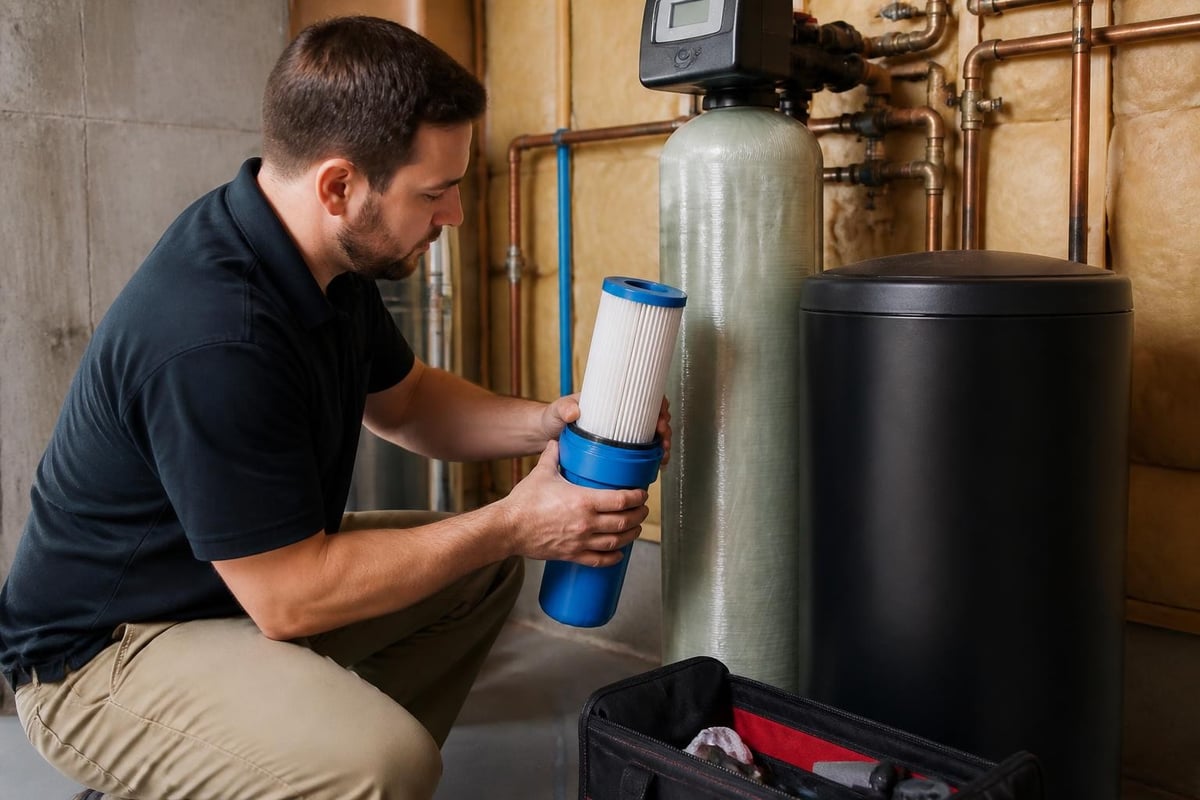
Treatment systems require regular attention to maintain effectiveness and prevent breakthrough contamination. Filter cartridges become saturated, UV lamps lose intensity, and membrane elements foul over time. Establishing maintenance schedules based on manufacturer specifications and actual water usage prevents system failures.
Essential maintenance tasks include:
- Recording water meter readings to track usage patterns
- Replacing filters according to manufacturer guidelines or pressure differentials
- Sanitizing storage tanks and contact chambers annually
- Testing treated water quality to verify performance
- Inspecting system components for leaks, corrosion, or damage
- Maintaining service records for warranty and troubleshooting purposes
Protecting Source Water
Treatment systems work most effectively when source water protection minimizes contamination risks. Well owners should maintain proper clearances from potential pollution sources, ensure adequate well caps and seals, and monitor nearby land use changes that might threaten groundwater quality.
Source water protection strategies include:
- Maintaining minimum 50-foot separation from septic systems
- Directing surface drainage away from wellheads
- Avoiding pesticide and fertilizer application near wells
- Properly abandoning unused wells to prevent contamination pathways
- Installing backflow prevention devices on irrigation systems
Special Considerations for New Construction and Development
Property developers and builders face unique responsibilities regarding domestic water infrastructure. Design decisions made during construction impact water quality, system reliability, and long-term maintenance requirements for decades.
Infrastructure Planning
Adequate pipe sizing, appropriate materials, and proper installation techniques prevent many common water quality problems. Modern plumbing codes prohibit lead-containing materials, yet older specifications may still appear in plans or material specifications.
Material selection should consider:
- Corrosion resistance for local water chemistry
- Pressure ratings for system design parameters
- Compatibility with anticipated treatment systems
- Long-term durability and replacement accessibility
- Regulatory compliance and certification requirements
Integration with Treatment Systems
New construction offers ideal opportunities to incorporate whole-house treatment systems during initial plumbing installation. Preplanning treatment system locations, providing adequate space and utilities, and coordinating with well drilling or municipal connections ensures optimal system performance.
Builders working with professional water treatment firms during design phases avoid costly retrofits and achieve better integration between treatment components and household plumbing systems.
Regulatory Compliance and Water Rights
Domestic water use intersects with numerous regulatory frameworks governing water quality, well construction, discharge permits, and water rights. Understanding applicable regulations prevents legal complications and ensures compliant system installation and operation.
Municipal water customers benefit from extensive regulatory oversight, with utilities required to meet drinking water standards and provide annual consumer confidence reports. Private well owners operate largely outside federal drinking water regulations but must comply with state well construction standards and local health department requirements.
Water rights and withdrawal permits vary significantly by state and region. Some jurisdictions require permits for any groundwater extraction, while others exempt domestic water use below specified volumes. Consulting with local authorities before well drilling prevents permit violations and potential enforcement actions.
Ensuring safe, reliable domestic water requires understanding source characteristics, identifying potential contaminants, selecting appropriate treatment systems, and maintaining infrastructure over time. Whether served by municipal systems or private wells, proactive water quality management protects health and property value. Terrabuilds Group delivers comprehensive water treatment solutions, from initial borehole drilling through complete purification system design and installation, helping property owners achieve optimal domestic water quality with systems built for long-term reliability and performance.