Clean, safe drinking water remains a fundamental necessity for every household, yet millions of Americans face water quality challenges daily. Whether dealing with hard water, chemical contaminants, bacterial concerns, or unpleasant tastes and odors, homeowners increasingly turn to water treatment systems for home installation to address these issues. The right treatment solution transforms questionable water into a reliable resource that protects your family's health and enhances daily life. Understanding the available technologies, their specific applications, and how to select the optimal system for your unique situation empowers you to make informed decisions that deliver lasting value.
Understanding Water Quality Challenges in Modern Homes
Before selecting any water treatment systems for home use, identifying your specific water quality issues becomes essential. Contamination sources vary dramatically based on whether you rely on municipal supply or private wells, with each presenting distinct challenges.
Common Contaminants Found in Household Water
Municipal water typically undergoes treatment before reaching your home, yet distribution system problems, aging infrastructure, and emerging contaminants can compromise quality. Private well owners face different concerns, including naturally occurring minerals, agricultural runoff, and the absence of routine monitoring that municipal systems provide.
Prevalent water quality issues include:
- Hard water minerals (calcium and magnesium) causing scale buildup and reducing appliance efficiency
- Chlorine and chloramines used for disinfection but affecting taste and odor
- Heavy metals like lead, copper, and arsenic from pipes or natural sources
- Sediment and turbidity creating cloudy water and damaging fixtures
- Microbiological contaminants including bacteria, viruses, and parasites
- Emerging contaminants such as PFAS (per- and polyfluoroalkyl substances) gaining regulatory attention
The EPA provides comprehensive guidance on drinking water technologies to help homeowners understand point-of-use versus point-of-entry treatment approaches.
Testing Your Water Before Treatment Selection
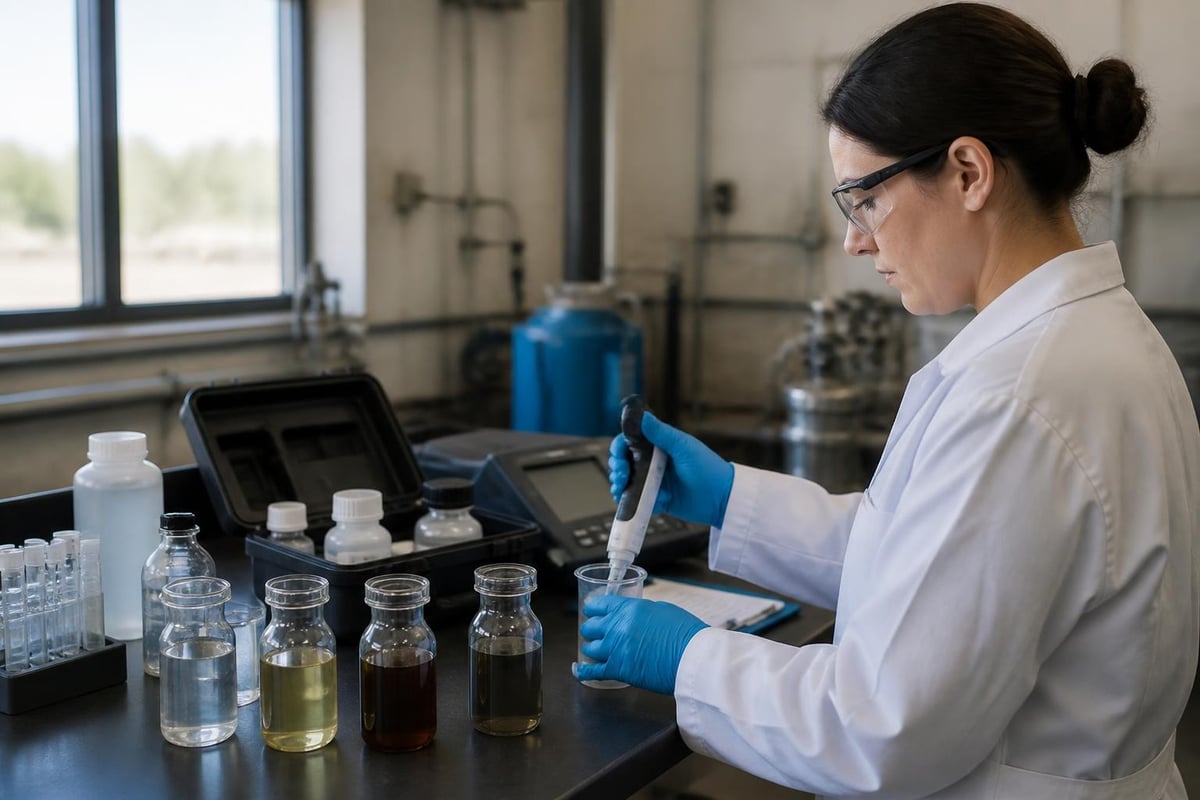
Professional water testing reveals exactly what contaminants you're facing and at what concentrations. This data-driven approach prevents wasting money on inappropriate systems while ensuring the solution you choose actually addresses your specific problems.
Laboratory analysis should cover:
- Basic parameters (pH, total dissolved solids, hardness)
- Metals panel (lead, copper, iron, manganese, arsenic)
- Microbiological testing (total coliform, E. coli)
- Specific concerns based on local conditions or visible symptoms
Types of Water Treatment Systems for Home Installation
Different technologies address specific contaminants through varied mechanisms. Understanding how each system functions helps match the right solution to your water quality challenges.
Point-of-Entry Whole House Systems
Point-of-entry systems treat all water entering your home, providing protection at every tap, shower, and appliance. These comprehensive solutions offer convenience and complete coverage but represent larger investments and require more space.
| System Type | Primary Function | Contaminants Addressed | Maintenance Requirements |
|---|---|---|---|
| Water Softeners | Ion exchange | Calcium, magnesium, some metals | Salt refills monthly; resin cleaning annually |
| Sediment Filters | Physical filtration | Sand, silt, rust, particles | Cartridge replacement quarterly to annually |
| Carbon Filtration | Adsorption | Chlorine, VOCs, taste/odor | Carbon replacement every 6-12 months |
| UV Disinfection | Ultraviolet radiation | Bacteria, viruses, parasites | Bulb replacement annually; pre-filtration required |
Whole house water treatment systems for home applications typically combine multiple technologies in sequence. For example, sediment filtration often precedes carbon filters to prevent premature fouling, while UV systems require clear water to function effectively.
Point-of-Use Drinking Water Systems
These systems treat water at specific locations, most commonly kitchen sinks, delivering purified water for drinking and cooking while leaving other household water untreated. This approach reduces installation costs and focuses treatment where it matters most.
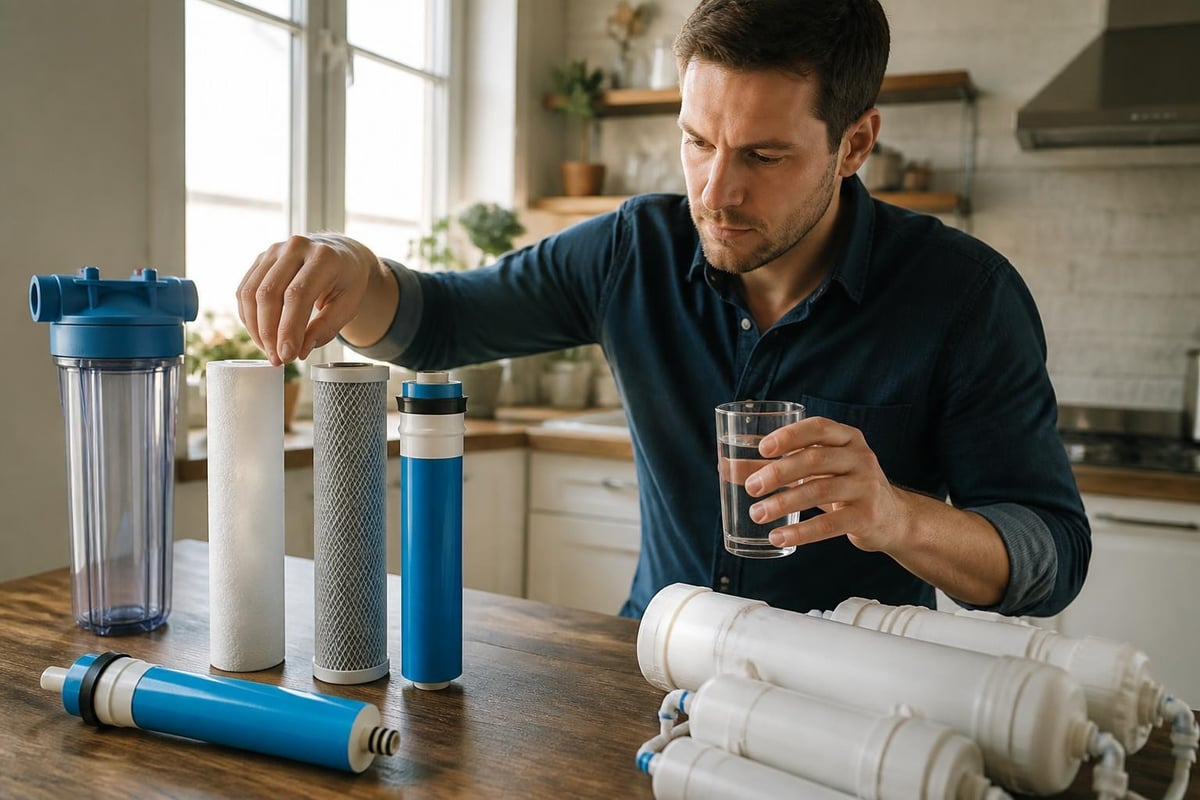
Under-sink reverse osmosis systems represent the gold standard for comprehensive contaminant removal. RO membranes reject dissolved solids, heavy metals, fluoride, and many emerging contaminants. Modern systems waste less water than older models and include remineralization stages to improve taste.
Countertop and faucet-mounted filters offer affordable, accessible filtration without permanent installation. While limited in contaminant reduction compared to RO, certified models effectively remove chlorine, lead, and sediment for improved taste and basic protection.
Specialized Treatment Technologies
Certain water quality challenges demand specialized solutions beyond standard filtration approaches. These technologies address specific contaminants that conventional systems cannot effectively remove.
Advanced oxidation processes eliminate iron, manganese, and sulfur bacteria causing staining and odors. Chlorine injection followed by retention and filtration oxidizes these contaminants for removal. Aeration systems offer chemical-free alternatives for volatile organic compounds and some dissolved gases.
The EPA’s PFAS treatment fact sheet provides essential guidance for households dealing with these persistent chemicals, explaining both point-of-use and point-of-entry options.
Selecting the Right Water Treatment Systems for Home Needs
Choosing appropriate treatment technology requires balancing water quality data, household size, budget constraints, and long-term maintenance capabilities. No single system suits every situation, making personalized assessment critical.
Matching Technology to Contaminants
Different treatment methods excel at removing specific contaminant categories. Understanding these relationships prevents selecting systems that won't solve your actual problems.
- Ion exchange (softeners) effectively removes hardness minerals and some heavy metals but doesn't address microbiological contamination or most organic chemicals
- Activated carbon excels at chlorine, taste, odor, and many organic compounds but cannot remove dissolved minerals, salts, or microorganisms
- Reverse osmosis removes the widest contaminant spectrum including dissolved solids, heavy metals, fluoride, and many organic chemicals
- UV disinfection destroys microbiological contaminants but requires pre-filtration and doesn't remove chemical contaminants
Capacity and Flow Rate Considerations
System capacity must match household demand to ensure adequate treated water availability during peak usage periods. Undersized systems lead to pressure drops, extended wait times, and incomplete treatment.
Whole house systems require flow rates supporting multiple simultaneous fixtures. Calculate peak demand by adding flow rates for fixtures likely used together (shower + washing machine + dishwasher, for example). Size systems with 20-30% capacity buffer for future needs.
Point-of-use systems face different considerations. Reverse osmosis produces treated water slowly, storing it in pressurized tanks. Tank capacity should support typical daily drinking and cooking needs without running dry during meal preparation.
Installation and Space Requirements
Physical constraints often influence system selection as much as technical specifications. Whole house water treatment systems for home installation need adequate space for equipment, drainage access, and electrical connections where required.
Space planning considerations:
- Water softeners require floor space (typically 2-3 feet square) near water main entry and drain access for regeneration
- Filter housings mount on walls with clearance below for cartridge changes
- Under-sink RO systems fit in standard sink cabinets but need dedicated faucet installation
- UV systems install inline, requiring straight pipe sections and electrical outlets
Professional installers assess your home's specific layout, existing plumbing configuration, and utility access to determine feasible options before equipment purchase.
Certification Standards and Performance Verification
Third-party certification provides independent verification that water treatment systems for home use actually perform as claimed. Numerous manufacturers make bold promises, but certified products meet rigorous testing standards.
Understanding NSF/ANSI Standards
NSF International and the Water Quality Association maintain standards testing specific contaminant reduction claims. Products bearing these certifications underwent independent laboratory testing confirming performance.
| Standard | Coverage | Key Applications |
|---|---|---|
| NSF/ANSI 42 | Aesthetic effects | Chlorine taste/odor, particulates |
| NSF/ANSI 53 | Health effects | Lead, cysts, VOCs, specific chemicals |
| NSF/ANSI 58 | Reverse osmosis | TDS, specific contaminant reduction |
| NSF/ANSI 55 | UV disinfection | Bacteria, virus inactivation |
Consumer Reports provides independent testing and practical recommendations for choosing certified systems, offering valuable third-party perspective beyond manufacturer claims.
Performance Monitoring and Maintenance
Even the best water treatment systems for home installation require proper maintenance to sustain performance. Neglected systems may fail silently, providing false security while allowing contaminants through.
Establish regular maintenance schedules based on manufacturer recommendations and actual usage. Key maintenance tasks include:
- Filter cartridge replacement at specified intervals regardless of appearance
- Water softener salt monitoring and resin bed cleaning
- UV bulb replacement annually even if still illuminated (UV output degrades)
- RO membrane replacement every 2-4 years depending on water quality
- Sanitization procedures for systems prone to bacterial growth
Professional service contracts ensure qualified technicians perform maintenance correctly and identify developing problems before system failure.
Cost Considerations and Long-Term Value
Understanding the total cost of ownership for water treatment systems for home use extends beyond initial purchase price. Operating costs, maintenance requirements, and consumable replacement expenses significantly impact long-term affordability.
Initial Investment Ranges
System costs vary dramatically based on technology, capacity, and quality. Budget planning should account for both equipment and professional installation when required.
Typical price ranges (equipment only):
- Whole house sediment/carbon filtration: $400-$1,500
- Water softeners: $600-$2,500
- Reverse osmosis under-sink systems: $200-$800
- UV disinfection systems: $500-$1,200
- Comprehensive multi-stage whole house systems: $2,000-$5,000+
Professional installation adds $300-$1,500 depending on complexity, existing plumbing modifications required, and regional labor rates.
Operating and Maintenance Costs
Ongoing expenses accumulate over years of ownership, sometimes exceeding initial investment. Factor these recurring costs into system selection decisions.
Annual operating costs typically include electricity (UV systems, some softeners), water used for backwashing or regeneration, replacement filters and cartridges, sanitizing chemicals, and professional service calls. A comprehensive whole house system might cost $200-$500 annually in consumables and maintenance, while simpler point-of-use filters run $50-$150 yearly.
Calculate cost per gallon over expected system lifespan for accurate comparison. Premium systems with higher purchase prices often deliver lower lifetime costs through efficient operation and durable construction.

Professional Installation Versus DIY Approaches
While some water treatment systems for home use accommodate DIY installation, others demand professional expertise for optimal performance and code compliance. Making the wrong choice risks system damage, voided warranties, and inadequate treatment.
When Professional Installation Makes Sense
Complex whole house systems, especially those requiring electrical work, drain connections, or backflow prevention devices, typically require licensed professionals. Many jurisdictions mandate permits and inspections for plumbing modifications, making professional installation legally necessary.
The American Water Works Association provides guidance on when supplemental home treatment devices are appropriate and the importance of proper installation for consistent performance.
Professional installers bring specialized tools, code knowledge, and experience preventing common mistakes that compromise system function. They also handle warranty registration and provide baseline water quality testing to verify proper operation.
DIY-Friendly Systems and Considerations
Simple point-of-use systems like faucet-mounted filters, countertop units, and basic under-sink cartridge filters generally accommodate homeowner installation. Clear instructions, push-fit connections, and minimal tools make these projects accessible.
When tackling DIY installation:
- Verify local codes regarding plumbing modifications and backflow prevention
- Follow manufacturer instructions precisely to maintain warranty coverage
- Use proper materials (food-grade tubing, lead-free fittings)
- Test for leaks thoroughly before closing access points
- Document installation date for maintenance tracking
Hybrid approaches work well for many homeowners. Purchase equipment directly but hire professionals for installation, combining cost savings with proper setup.
Health and Safety Benefits of Home Water Treatment
Beyond addressing aesthetic concerns like taste and odor, water treatment systems for home installation deliver tangible health protection. Reducing exposure to harmful contaminants provides peace of mind and long-term wellness benefits.
Protecting Vulnerable Populations
Infants, elderly individuals, pregnant women, and immunocompromised persons face elevated risks from water contaminants. Effective treatment becomes especially critical in households with vulnerable members.
Lead exposure particularly threatens child development, causing irreversible neurological damage even at low levels. Homes built before 1986 often contain lead pipes or solder, making point-of-use or whole house lead filtration essential. Certified NSF/ANSI 53 filters remove lead effectively when properly maintained.
Microbiological contamination poses serious risks for anyone with compromised immune systems. Well water systems should incorporate UV disinfection or other reliable microbial barriers, especially in areas with known contamination issues or private wells.
Long-Term Contaminant Exposure Reduction
Chronic low-level exposure to various contaminants may contribute to health issues over decades. While municipal water meets regulatory standards, those standards represent acceptable risk levels rather than zero exposure.
Comprehensive water treatment systems for home use reduce cumulative exposure to chlorination byproducts, nitrates, fluoride, and hundreds of other substances found in drinking water. The WHO’s guidance on household water treatment provides global perspective on treatment effectiveness and safe storage practices.
Integration With Whole Home Systems
Modern water treatment systems for home installation increasingly integrate with smart home technology and broader home infrastructure. These connections enhance convenience, monitoring capabilities, and system efficiency.
Smart Monitoring and Control
Connected systems provide real-time water quality data, filter life indicators, and leak detection through smartphone applications. Remote monitoring enables proactive maintenance scheduling and immediate alerts for system malfunctions.
Advanced controllers optimize water softener regeneration based on actual usage rather than fixed timers, reducing salt and water waste. Flow meters track consumption patterns, identifying leaks and unusual usage that might indicate plumbing problems.
Coordination With Other Home Systems
Whole house water treatment integrates with tankless water heaters, which benefit from softened water extending element life. Home automation systems can trigger water shut-off valves when leak sensors detect moisture, preventing water damage.
Solar thermal systems and geothermal heat pumps require specific water quality parameters for efficient operation. Coordinating treatment systems with these technologies during initial design prevents compatibility issues and maximizes performance.
Selecting and maintaining appropriate water treatment systems for home use represents a significant investment in your family's health, comfort, and property value. By understanding your specific water quality challenges, matching appropriate technologies to those needs, and committing to proper maintenance, you ensure consistent access to clean, safe water throughout your home. Whether addressing hard water damage to appliances, removing health-threatening contaminants, or simply improving taste and clarity, the right treatment solution delivers measurable benefits for years to come. Terrabuilds Group combines premium water treatment expertise with comprehensive borehole drilling and engineering solutions, delivering customized systems that address your unique water quality challenges with unwavering commitment to reliability and customer satisfaction.