Access to clean, reliable water remains one of the most critical infrastructure challenges across residential, commercial, and agricultural sectors. Water drilling provides a sustainable solution for properties without municipal water connections or those seeking backup water sources. As populations grow and climate patterns shift, professional borehole development has become essential for ensuring water security and independence.
Understanding Water Drilling Fundamentals
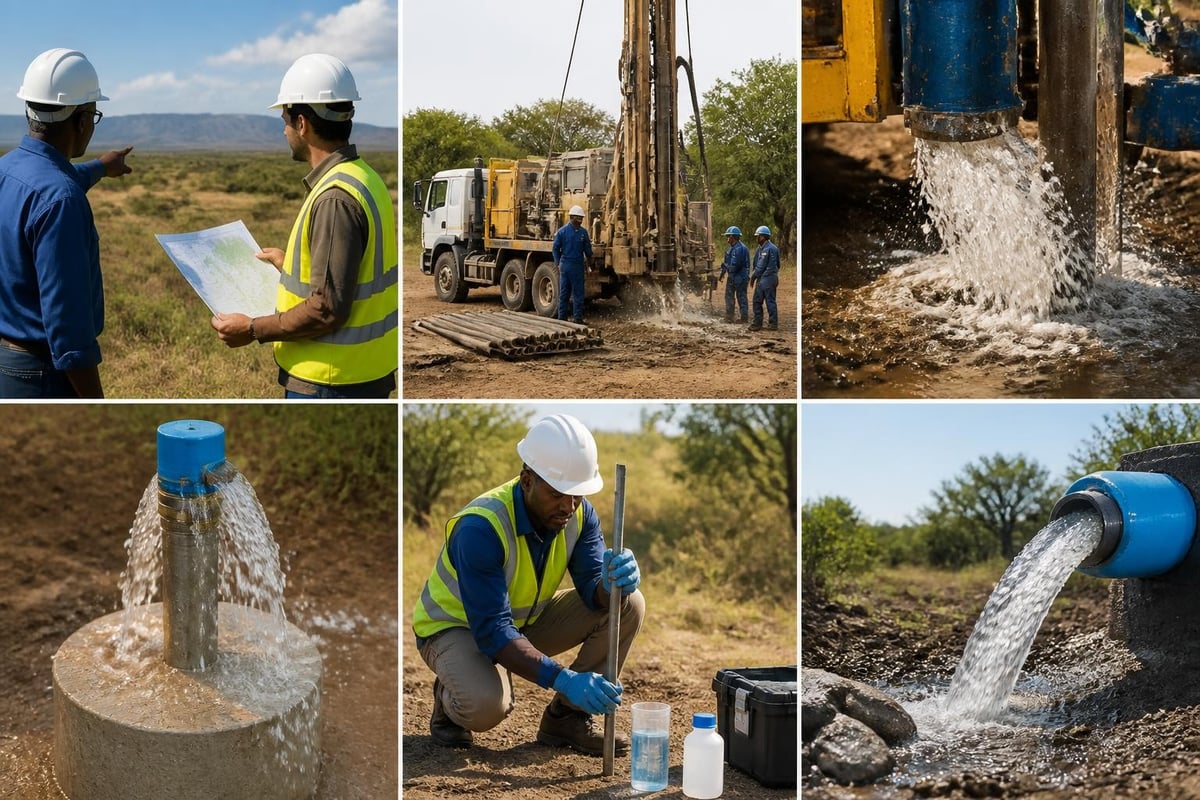
Water drilling involves creating boreholes that penetrate underground aquifers to extract groundwater for various applications. This process requires specialized equipment, geological knowledge, and adherence to regulatory standards to ensure safe, productive wells.
The basic principle behind water drilling centers on accessing water-bearing geological formations beneath the surface. Aquifers-permeable rock or sediment layers saturated with water-serve as natural underground reservoirs. Successful drilling operations identify these formations and create stable pathways for water extraction.
Professional water drilling operations typically involve several key phases:
- Site assessment and geological surveying to identify optimal drilling locations
- Permit acquisition and regulatory compliance documentation
- Drilling operations using appropriate methods for local geology
- Well construction including casing, screening, and sealing
- Development and testing to maximize yield and verify water quality
- Installation of pumping systems and water treatment equipment
Each phase requires technical expertise and proper execution to create wells that deliver consistent performance over decades of operation.
Primary Water Drilling Methods
Different geological conditions and project requirements demand specific drilling approaches. Understanding these methods helps property owners and project managers select appropriate techniques for their circumstances.
Rotary Drilling Techniques
Rotary drilling represents the most widely used method for deep water wells in diverse geological conditions. This approach uses rotating drill bits that grind through rock and sediment while drilling fluid circulates to remove cuttings and stabilize the borehole.
Direct rotary drilling employs drilling mud pumped down through the drill pipe, which exits through jets in the bit and returns to the surface through the annular space between the pipe and borehole walls. This method works exceptionally well in unconsolidated formations and offers excellent depth capabilities.
Reverse rotary drilling reverses the circulation pattern, with fluid moving down the outside of the drill pipe and up through the pipe's interior. This technique handles larger cuttings efficiently and proves particularly effective in gravel formations and situations requiring larger-diameter boreholes.
The USGS technical guidance on well-construction methods provides comprehensive comparisons of drilling techniques and considerations for monitoring-well construction.
Percussion and Cable Tool Drilling
Percussion drilling, sometimes called cable tool drilling, uses a heavy cutting bit repeatedly lifted and dropped to break through geological formations. This traditional method delivers several advantages despite its slower pace compared to rotary techniques.
| Feature | Rotary Drilling | Percussion Drilling |
|---|---|---|
| Penetration Rate | Fast (30-100 ft/day) | Slower (10-30 ft/day) |
| Geological Suitability | Most formations | Excellent for fractured rock |
| Formation Sampling | Fluid-contaminated | Clean, representative samples |
| Equipment Cost | Higher | Moderate |
| Formation Damage | Some potential | Minimal |
| Depth Capability | Very deep (1000+ ft) | Moderate (500-600 ft typical) |
Percussion methods excel in fractured bedrock where maintaining borehole stability challenges rotary approaches. The technique also provides superior geological information through clean formation samples.
Air Rotary and Down-the-Hole Hammer
Air rotary drilling substitutes compressed air for liquid drilling fluids, offering distinct advantages in certain conditions. This method works particularly well in hard rock formations and situations where introducing water-based fluids presents concerns.
Down-the-hole (DTH) hammer drilling combines air circulation with pneumatic hammering action at the bit face. This powerful technique penetrates hard crystalline rock efficiently and maintains straight, stable boreholes in challenging geology.
Air drilling methods provide immediate water quality information since air doesn't contaminate formation samples. Additionally, these techniques facilitate real-time aquifer identification through visible water production during drilling operations.
Site Selection and Hydrogeological Assessment
Proper site selection dramatically influences water drilling success and long-term well performance. Comprehensive assessment before drilling operations begin reduces risks and optimizes outcomes.
Geological and Hydrological Factors
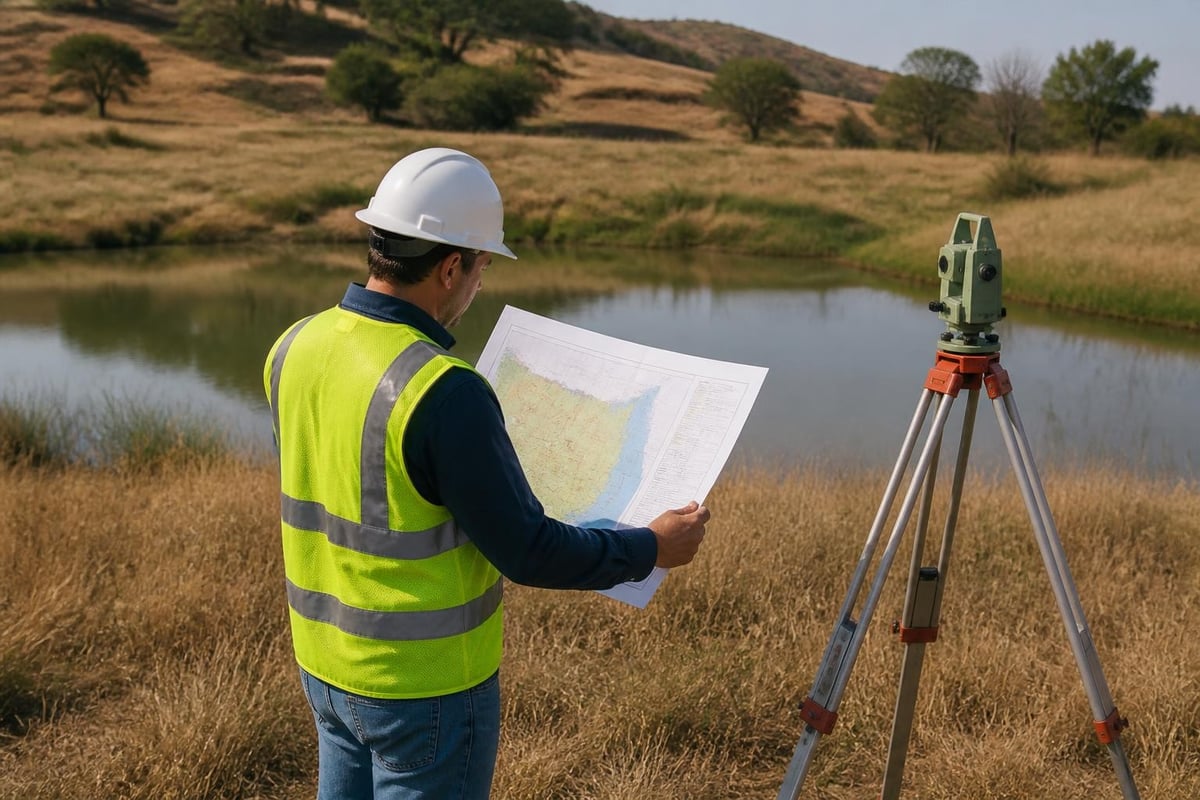
Understanding subsurface conditions requires integrating multiple data sources and technical disciplines. Professional hydrogeological assessment typically examines:
- Regional aquifer characteristics including depth, thickness, and productivity
- Surface geology indicators suggesting favorable subsurface conditions
- Groundwater flow patterns and recharge areas
- Existing well data from nearby properties
- Topographic features affecting groundwater accumulation
- Potential contamination sources requiring protective setback distances
Modern assessment techniques incorporate geophysical surveys, including electrical resistivity and seismic methods, to characterize subsurface geology without drilling. These non-invasive approaches provide valuable preliminary data for optimizing drilling locations.
Water table depth and seasonal variations significantly impact well design and costs. Shallow water tables typically reduce drilling expenses but may present greater contamination vulnerability compared to deeper confined aquifers.
Regulatory and Permitting Requirements
Water drilling operations face increasing regulatory oversight worldwide as authorities work to protect groundwater resources and public health. The FAO guidance on water-resources management outlines frameworks for groundwater development and well-drilling regulatory systems.
Most jurisdictions require permits before commencing drilling activities. Application processes typically demand:
- Property documentation establishing land ownership or access rights
- Site plans showing proposed well locations and setback compliance
- Hydrogeological reports justifying the project and assessing impacts
- Driller licensing verification confirming contractor qualifications
- Environmental impact assessments for larger commercial projects
- Well construction specifications meeting local standards
Setback distances from septic systems, property boundaries, and potential contamination sources represent common regulatory requirements. These protective measures safeguard both the new well and neighboring properties.
Well Construction and Completion Standards
Proper well construction determines long-term performance, water quality protection, and operational reliability. Professional water drilling contractors follow established protocols ensuring wells meet technical and regulatory standards.
Casing and Screening Installation
Well casing provides structural integrity and prevents contamination from surface water and shallow geological formations. Modern wells typically use PVC or steel casing extending from surface to below the water table, with selection depending on depth, geology, and regulatory requirements.
Installation procedures require:
- Driving or setting casing to predetermined depths based on geological logs
- Ensuring proper diameter for anticipated pumping equipment
- Maintaining verticality within acceptable tolerances
- Creating sanitary seals at the surface with concrete or bentonite
- Installing well screens in water-bearing zones using appropriate slot sizes
Well screens allow water entry while excluding formation materials. Screen slot sizing depends on geological characteristics-finer slots for sand formations, larger openings for gravel or fractured rock. Proper screen placement in productive zones maximizes yield while preventing sand pumping.
Grouting and Sanitary Sealing
Grouting represents the critical protective barrier preventing contaminant migration along the borehole annulus. This process involves pumping cement-based or bentonite grout into the space between the casing and borehole wall.
Professional grouting practices ensure:
- Complete annular fill from bottom to surface or regulatory minimum depth
- Proper grout composition meeting specifications for setting time and permeability
- Adequate curing periods before well development or testing
- Surface sanitary seals extending above grade with proper drainage
The WHO Guidelines for drinking-water quality include comprehensive guidance on borehole drilling and sanitary protection for small water supplies.
Well Development and Yield Testing
Development removes drilling fluids and fine particles from the aquifer surrounding the well, enhancing water production and quality. This essential phase uses various techniques:
- Overpumping at rates exceeding planned operational capacity
- Surging with sudden water-column movements to dislodge particles
- Air lifting using compressed air to agitate and clean the well
- Chemical treatment in specific situations addressing formation damage
Yield testing determines sustainable production capacity through systematic pumping at controlled rates. Professional testing protocols monitor water levels, recovery rates, and quality parameters. The EPA resource on groundwater level measurement provides practical guidance for accurate well-depth and water-level assessment.
Equipment and Technology Considerations
Modern water drilling operations employ sophisticated equipment and monitoring technologies that enhance efficiency, safety, and outcomes. Understanding these capabilities helps stakeholders make informed decisions.
Drilling Rigs and Support Equipment
Contemporary drilling rigs range from truck-mounted units for accessibility and mobility to larger track-mounted systems for challenging terrain. Selection depends on multiple factors:
| Application | Typical Rig Type | Depth Capacity | Mobility |
|---|---|---|---|
| Residential Wells | Truck-mounted rotary | 200-400 feet | Excellent |
| Agricultural Wells | Mid-size rotary | 300-600 feet | Good |
| Commercial/Municipal | Large rotary/DTH | 500-1500+ feet | Moderate |
| Emergency/Remote | Portable percussion | 150-300 feet | Superior |
Support equipment includes mud pumps, air compressors, drill pipe, casing tools, and grouting systems. Professional contractors maintain comprehensive inventories ensuring project continuity without equipment-related delays.
Monitoring and Quality Control Technologies
Advanced monitoring systems have transformed water drilling from largely empirical practice to data-driven precision operations. Modern drilling projects incorporate:
- Real-time geological logging recording formation changes continuously
- Electronic water-level monitoring providing precise aquifer data
- Flow measurement systems quantifying production during testing
- Water quality analyzers offering immediate contamination screening
- GPS positioning documenting exact well locations
These technologies generate comprehensive documentation supporting regulatory compliance, future maintenance, and resource management. Digital records facilitate long-term monitoring and inform regional hydrogeological understanding.
Water Quality and Treatment Integration
Water drilling success extends beyond achieving adequate yield-delivering safe, potable water requires attention to quality parameters and appropriate treatment solutions.
Common Groundwater Quality Issues
Groundwater characteristics vary dramatically based on geological setting, aquifer type, and regional conditions. Typical quality considerations include:
- Hardness from dissolved calcium and magnesium requiring softening
- Iron and manganese causing staining and taste issues
- Salinity in coastal or arid regions necessitating desalination
- Microbial contamination requiring disinfection systems
- Nitrates from agricultural activities demanding removal
- Arsenic or heavy metals in specific geological settings
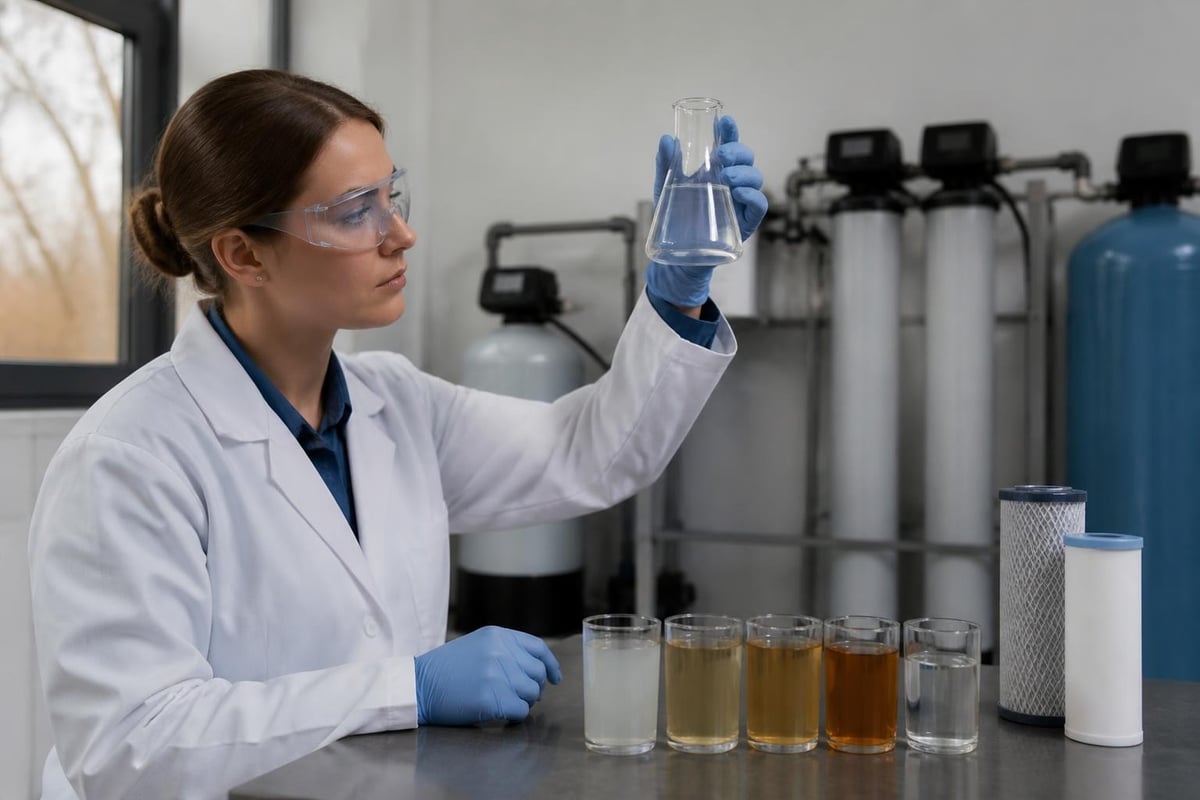
Professional water drilling projects incorporate sampling and analysis during development to identify treatment requirements. The International Association of Hydrogeologists guidance establishes technical standards for groundwater development supporting public health protection.
Treatment System Integration
Effective water drilling projects plan for necessary treatment from initial design phases. Treatment approaches match specific water quality challenges:
- Filtration systems removing sediment and particulates
- Chemical treatment addressing iron, manganese, or hardness
- UV or chlorination providing microbial disinfection
- Reverse osmosis for salinity or specific contaminant removal
- pH adjustment ensuring distribution system compatibility
Treatment equipment sizing considers peak demand, water chemistry, and maintenance accessibility. Professional installations integrate treatment with pumping systems and storage, creating comprehensive solutions delivering consistently safe water.
Project Planning and Cost Considerations
Successful water drilling projects require thorough planning addressing technical, financial, and logistical factors. Understanding cost drivers and planning elements helps stakeholders develop realistic budgets and timelines.
Budget Components and Variables
Water drilling costs vary significantly based on depth, geology, access, and regional factors. Comprehensive budgets account for:
Direct drilling costs including mobilization, drilling per foot, and contractor fees typically represent 40-60% of total project expenses. Depth exerts the strongest influence-each additional 100 feet substantially increases costs due to time, equipment wear, and casing requirements.
Materials and equipment encompass casing, screens, grout, well caps, and pumping systems. Material costs scale with depth and diameter, while pumping equipment selection depends on yield, depth, and application requirements.
Testing and permitting expenses cover permits, geological surveys, water quality analysis, and yield testing. Regulatory compliance represents non-negotiable investments protecting project approval and long-term viability.
Treatment and distribution infrastructure adds variable costs based on water quality findings and end-use requirements. Commercial and municipal projects typically require more sophisticated treatment than residential applications.
| Cost Category | Residential Well | Commercial Well | Municipal Well |
|---|---|---|---|
| Drilling & Construction | $8,000-25,000 | $25,000-75,000 | $75,000-250,000+ |
| Pumping Equipment | $2,000-6,000 | $8,000-25,000 | $25,000-100,000+ |
| Treatment Systems | $1,500-8,000 | $10,000-50,000 | $50,000-300,000+ |
| Testing & Permits | $1,000-3,000 | $3,000-10,000 | $10,000-40,000+ |
Timeline and Scheduling Factors
Realistic project timelines account for permitting delays, weather constraints, and sequential dependencies. Typical water drilling projects progress through defined phases:
- Planning and permitting: 4-12 weeks depending on jurisdiction complexity
- Site preparation: 1-3 days for access, pad construction, and mobilization
- Drilling operations: 1-5 days for typical residential wells, longer for commercial depth
- Well construction: 1-2 days for casing, screening, and grouting with curing time
- Development and testing: 2-5 days for thorough development and yield assessment
- Equipment installation: 1-3 days for pumps, treatment, and distribution systems
Weather significantly impacts scheduling, particularly for rotary drilling requiring water-based fluids. Seasonal groundwater variations may influence optimal drilling timing in some regions.
Maintenance and Long-Term Management
Professional water drilling creates assets requiring ongoing attention ensuring continued performance and water quality. Structured maintenance programs protect investments and prevent expensive emergency repairs.
Routine Monitoring and Inspection
Regular monitoring identifies developing issues before they compromise water supply or quality. Recommended practices include:
- Annual water quality testing for bacteria, nitrates, and other parameters
- Quarterly yield checks documenting static levels and recovery rates
- Visual inspections of wellhead integrity, sanitary seals, and surface drainage
- Pump performance monitoring tracking power consumption and output
- Treatment system maintenance following manufacturer specifications
Documentation of monitoring results creates historical records supporting trend analysis and informed decision-making. Digital management systems facilitate long-term data preservation and regulatory reporting.
Common Issues and Solutions
Even properly constructed wells eventually require intervention. Understanding typical problems enables proactive management:
Declining yield may result from aquifer depletion, screen fouling, or pump deterioration. Solutions range from well rehabilitation through chemical treatment or mechanical cleaning to pump replacement or deepening.
Water quality deterioration signals changing aquifer conditions or well integrity issues. Professional investigation identifies causes-contamination sources, corrosion, or bacterial growth-directing appropriate remediation.
Equipment failures affecting pumps, pressure systems, or treatment components require prompt attention preventing extended outages. Preventive replacement based on equipment age and performance trends reduces emergency situations.
Professional contractors specializing in water drilling typically offer maintenance services, providing continuity between initial construction and long-term management. Established relationships facilitate rapid response when issues arise.
Water drilling represents a complex technical discipline requiring expertise across geology, engineering, regulatory compliance, and water quality management. Success depends on proper site selection, appropriate method selection, adherence to construction standards, and ongoing maintenance commitment. Whether developing residential backup sources, agricultural irrigation capacity, or commercial water independence, professional borehole development delivers reliable, sustainable water access. Terrabuilds Group brings comprehensive expertise in water drilling, treatment integration, and long-term well management, ensuring your water security project achieves optimal performance and value. Contact their team to discuss your water resource needs and develop solutions tailored to your specific requirements.