Access to clean, reliable water remains one of the most critical infrastructure challenges facing communities, businesses, and property developers in 2026. Establishing a water supply requires careful planning, technical expertise, and a comprehensive understanding of water sources, treatment processes, and distribution systems. Whether you're developing a residential property, industrial facility, or commercial complex, the quality and reliability of your water infrastructure directly impacts health, operations, and long-term sustainability. This guide explores the essential components, best practices, and modern solutions for creating a dependable water supply system.
Understanding Water Supply Sources
The foundation of any successful water system begins with identifying and securing appropriate water sources. Different sources offer distinct advantages and challenges that must be evaluated based on location, demand, and quality requirements.
Surface Water Sources
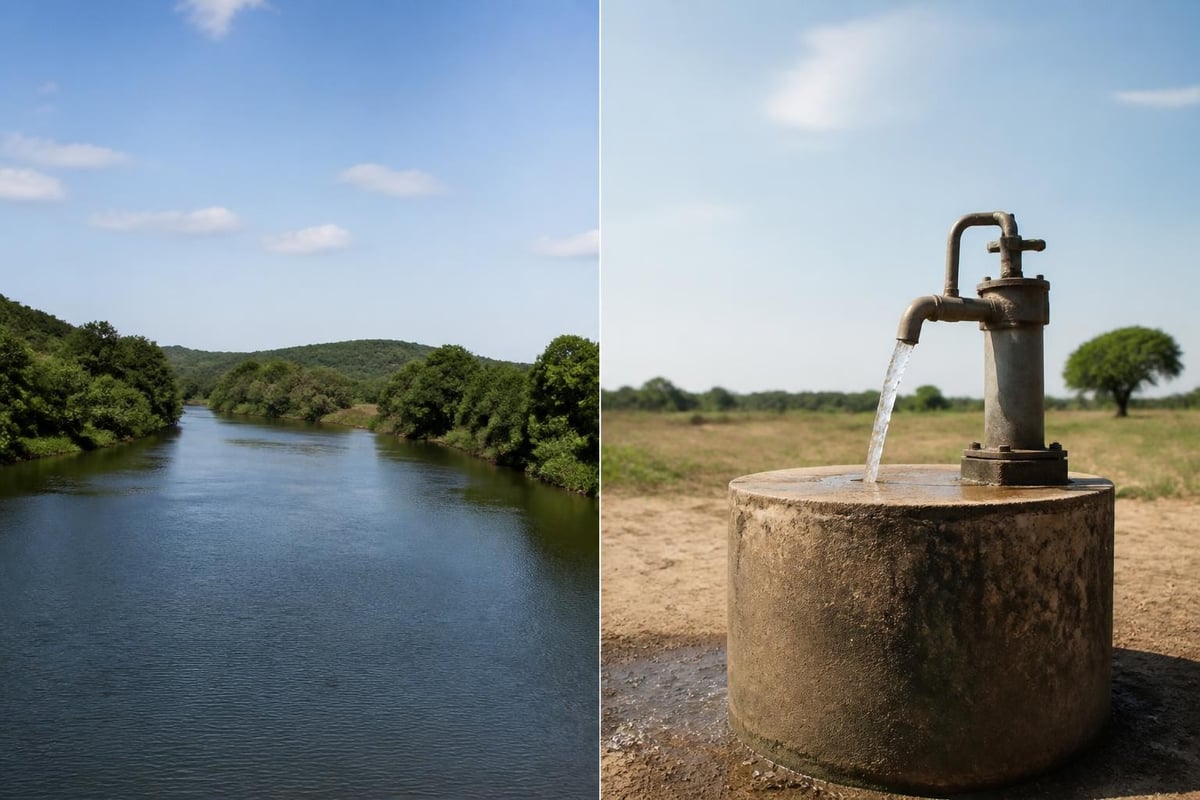
Surface water represents one of the most common options when establishing a water supply. Rivers, lakes, reservoirs, and streams provide accessible water resources, though they typically require more extensive treatment due to exposure to environmental contaminants, agricultural runoff, and biological organisms.
Key considerations for surface water:
- Seasonal variations in availability and quality
- Higher susceptibility to pollution and contamination
- Need for comprehensive filtration and disinfection
- Regulatory compliance requirements
- Environmental impact assessments
Surface water systems often serve large municipalities and industrial operations where volume demands exceed what groundwater sources can provide. The fundamental components of public water supply systems include intake structures, pre-treatment facilities, and extensive distribution networks.
Groundwater and Borehole Solutions
Groundwater accessed through boreholes and wells offers significant advantages for establishing a water supply, particularly in areas where surface water is limited or unreliable. Borehole drilling provides access to aquifers that naturally filter water through geological layers, often resulting in better baseline quality.
The depth and yield of a borehole depend on local geology, aquifer characteristics, and surrounding water demand. Professional hydrogeological surveys identify optimal drilling locations, estimate sustainable extraction rates, and assess long-term viability.
| Source Type | Treatment Needs | Reliability | Initial Cost | Operating Cost |
|---|---|---|---|---|
| Surface Water | High | Variable | Moderate | High |
| Shallow Borehole | Moderate | Good | Moderate | Moderate |
| Deep Borehole | Low to Moderate | Excellent | High | Low |
| Municipal Connection | Minimal | Good | Low | Moderate-High |
Water Treatment Processes and Technologies
Once you've secured a water supply source, implementing appropriate treatment processes ensures water meets safety standards and quality expectations. Treatment complexity varies based on source water characteristics and intended use.
Primary Treatment Methods
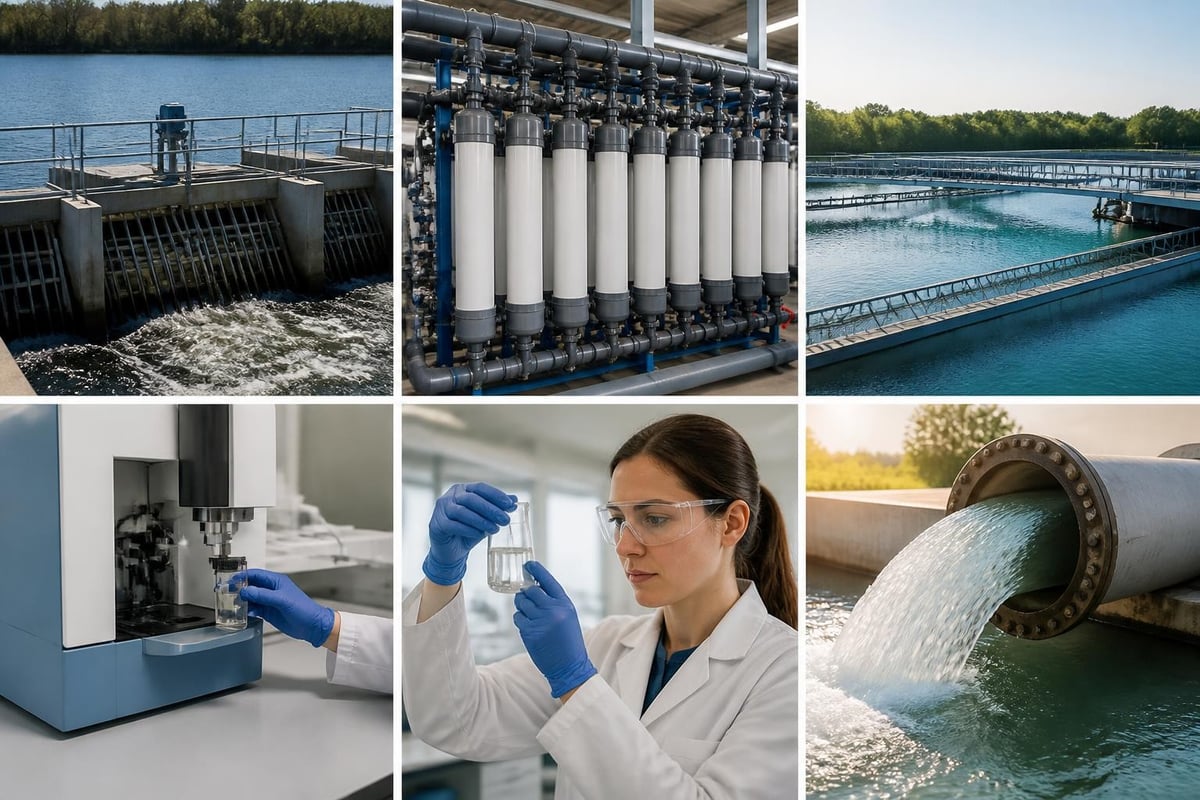
Primary treatment removes large particles, sediments, and debris through physical processes. Screening and sedimentation represent the first line of defense in water purification, reducing suspended solids that could damage equipment or interfere with subsequent treatment stages.
Common primary treatment components:
- Coarse and fine screening systems
- Sedimentation tanks and clarifiers
- Pre-filtration units
- Flow equalization chambers
These processes prepare water for more advanced treatment while reducing the load on downstream equipment. For a water supply drawn from surface sources, primary treatment can remove 40-60% of suspended solids and associated contaminants.
Advanced Purification Technologies
Modern water treatment employs sophisticated technologies that address chemical, biological, and physical contaminants. Reverse osmosis, ultraviolet disinfection, and activated carbon filtration have become standard components in premium water treatment systems.
Reverse osmosis systems force water through semi-permeable membranes, removing dissolved salts, heavy metals, and microorganisms. This technology proves particularly valuable when establishing a water supply in areas with brackish groundwater or industrial contamination concerns.
The quality of water supply sources directly influences treatment requirements and operational costs. Regular water quality testing guides system design and optimization.
- Filtration Stage: Multi-media filters remove remaining particulates
- Disinfection Stage: UV light or chlorination eliminates pathogens
- Mineralization Stage: Balanced mineral content for taste and health
- Storage Stage: Clean water reservoirs maintain supply during peak demand
- Distribution Stage: Pumping systems deliver treated water to end users
Distribution System Design and Management
A water supply system's effectiveness depends equally on how efficiently treated water reaches end users. Distribution infrastructure includes pipelines, pumping stations, storage tanks, and monitoring equipment that maintain pressure, flow, and quality throughout the network.
Pipeline Materials and Configuration
Selecting appropriate pipeline materials impacts system longevity, water quality, and maintenance requirements. Modern distribution systems typically employ high-density polyethylene (HDPE), PVC, or stainless steel depending on application, pressure requirements, and budget considerations.
Pipeline selection factors:
- Pressure ratings and flow capacity
- Corrosion resistance and lifespan
- Installation complexity and costs
- Compatibility with water chemistry
- Local building codes and standards
Network design must account for elevation changes, distance from source to endpoints, and future expansion possibilities. Professional engineering ensures adequate pressure at all connection points while minimizing energy consumption.
Pressure Management and Pumping Systems
Maintaining consistent pressure throughout a water supply network requires strategic placement of pumping stations and pressure regulation equipment. Variable frequency drives on modern pumps adjust output based on real-time demand, optimizing energy efficiency.
Research into marginal energy intensity in water supply demonstrates how sourcing and distribution methods significantly impact operational costs and environmental footprint. Properly designed systems balance performance with sustainability.
| System Component | Function | Maintenance Frequency | Critical Factor |
|---|---|---|---|
| Primary Pumps | Maintain baseline pressure | Monthly inspection | Reliability |
| Booster Pumps | Serve elevated areas | Quarterly service | Efficiency |
| Storage Tanks | Buffer supply fluctuations | Semi-annual cleaning | Capacity |
| Pressure Valves | Regulate zone pressure | Annual calibration | Accuracy |
| Flow Meters | Monitor consumption | Continuous monitoring | Precision |
Quality Monitoring and Regulatory Compliance
Establishing a water supply carries significant responsibility for protecting public health and meeting regulatory standards. Comprehensive monitoring programs track water quality from source to tap, identifying potential issues before they impact users.
Testing Protocols and Parameters
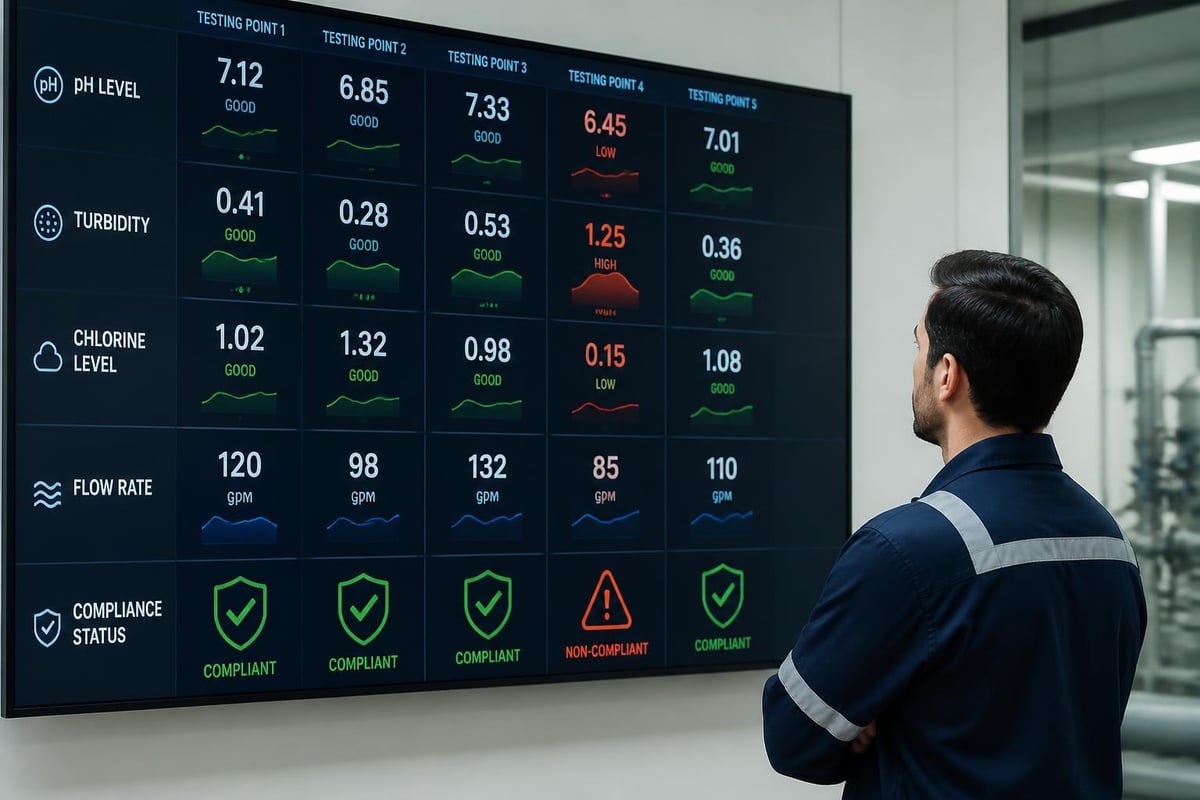
Regular water quality testing examines physical, chemical, and biological parameters. pH levels, turbidity, total dissolved solids, bacterial counts, and specific contaminant concentrations must fall within acceptable ranges defined by regulatory authorities.
The EPA’s framework for public water systems establishes baseline requirements, though many premium systems exceed these minimums. For properties with a water supply serving multiple users, documented testing schedules and record-keeping become essential.
Essential water quality parameters:
- Microbiological indicators (E. coli, total coliforms)
- Chemical contaminants (nitrates, heavy metals, pesticides)
- Physical properties (turbidity, color, odor, taste)
- Disinfection byproducts
- pH and mineral content
Advanced monitoring systems now incorporate real-time sensors and anomaly detection algorithms that alert operators to quality deviations, enabling rapid response to potential contamination events.
Documentation and Reporting
Maintaining comprehensive records of water quality testing, system maintenance, and operational parameters serves multiple purposes. Documentation demonstrates regulatory compliance, supports insurance claims, aids troubleshooting efforts, and provides valuable data for system optimization.
Property owners and facility managers need clear protocols for incident reporting, emergency response, and communication with users. When managing a water supply for residential developments or commercial properties, transparency builds trust and demonstrates commitment to safety.
Sustainability and Future-Proofing
Modern approaches to establishing a water supply increasingly emphasize long-term sustainability, resilience, and adaptability. Climate variability, growing demand, and environmental concerns drive innovation in water system design and management.
Water Conservation Integration
Efficient water use extends supply capacity and reduces treatment costs. Incorporating conservation measures into system design includes leak detection technology, pressure optimization, and user education programs. Smart metering provides consumption data that identifies waste and supports conservation efforts.
Conservation strategies:
- Automated leak detection and repair programs
- Pressure management to reduce system losses
- Rainwater harvesting integration
- Greywater recycling for non-potable uses
- Demand management through tiered pricing
Research in water supply prediction using neural networks enables more accurate forecasting of demand patterns, helping operators optimize production and reduce waste from overproduction.
Climate Adaptation Measures
Changing precipitation patterns and increasing temperature extremes require water systems built for variability. Diversifying water sources, increasing storage capacity, and implementing flexible treatment processes help ensure a water supply remains reliable under varying conditions.
Borehole systems often demonstrate greater resilience to surface-level climate impacts, though aquifer recharge rates may still reflect long-term precipitation trends. Professional monitoring and adaptive management strategies maintain system performance as conditions evolve.
System Sizing and Capacity Planning
Properly sizing a water supply system balances current needs with future growth while avoiding excessive initial investment in unused capacity. Detailed demand analysis considers peak usage patterns, seasonal variations, and development projections.
Calculating Water Demand
Accurate demand calculations form the foundation for system design. Residential properties typically require 100-150 gallons per person daily, while commercial and industrial facilities vary widely based on specific operations.
Demand calculation factors:
- Number of users and occupancy patterns
- Fixture counts and flow rates
- Irrigation and landscaping needs
- Industrial or commercial processes
- Fire protection requirements
- Future expansion plans
Professional engineers apply peaking factors that account for simultaneous usage during morning and evening hours. A water supply must deliver adequate volume and pressure during these peak demand periods without excessive oversizing that increases costs.
Storage Capacity Requirements
Storage tanks buffer supply fluctuations, maintain pressure during pump cycling, and provide emergency reserves. Sizing calculations typically specify storage equivalent to several hours of average demand, with adjustments for system-specific factors.
| Facility Type | Daily Use per Unit | Peak Factor | Storage Recommendation |
|---|---|---|---|
| Single Family Home | 300-400 gallons | 3.0x average | 4-6 hours |
| Multi-family Complex | 150 gallons/unit | 2.5x average | 6-8 hours |
| Office Building | 20 gallons/person | 2.0x average | 4-6 hours |
| Industrial Facility | Process-dependent | Variable | 8-12 hours |
| Hotel/Resort | 100-200 gallons/room | 2.5x average | 8-10 hours |
Maintenance and Operational Best Practices
Sustaining a water supply over decades requires proactive maintenance, skilled operators, and systematic management approaches. Well-maintained systems deliver consistent quality while avoiding costly emergency repairs and downtime.
Preventive Maintenance Programs
Scheduled maintenance prevents equipment failures and extends system lifespan. Comprehensive programs address pumps, treatment units, storage facilities, and distribution infrastructure on regular intervals based on manufacturer recommendations and operational experience.
Regular tasks include filter replacement, pump lubrication, valve exercising, tank cleaning, and control system calibration. Detailed maintenance logs track work completed, parts replaced, and performance trends that inform decision-making.
Emergency Preparedness
Every water supply system needs contingency plans for equipment failures, power outages, contamination events, and natural disasters. Backup power generation, redundant treatment components, and emergency water sources ensure continuous service during disruptions.
Staff training on emergency protocols, clear communication channels with users, and coordination with regulatory authorities minimize impacts when incidents occur. Regular drills and plan updates maintain readiness.
Emergency response essentials:
- Backup power systems (generators, battery banks)
- Redundant critical components (pumps, control systems)
- Emergency contact lists and communication protocols
- Spare parts inventory for critical equipment
- Alternative water source arrangements
- Incident documentation procedures
Investment Considerations and ROI
Developing a water supply represents significant capital investment, but proper planning delivers strong returns through reduced operating costs, property value enhancement, and operational independence from municipal systems.
Cost Components and Budgeting
Total investment includes source development (borehole drilling, intake structures), treatment equipment, distribution infrastructure, storage facilities, and control systems. Professional engineering and regulatory compliance add additional costs but ensure system performance and longevity.
Operating expenses encompass energy consumption, chemical costs, routine maintenance, testing, and eventual equipment replacement. Life-cycle cost analysis comparing different system configurations identifies optimal solutions balancing initial investment with long-term expenses.
Value Creation Through Water Independence
Properties with independent, high-quality water supplies gain competitive advantages in markets where municipal service is unreliable or expensive. Developers, hospitality operators, and industrial facilities particularly benefit from control over water quality and availability.
Premium treatment systems that exceed regulatory minimums create marketing differentiation and customer satisfaction. Documented water quality and reliability build reputation and support premium pricing strategies.
Understanding the complexities of establishing and maintaining a water supply empowers property developers, business owners, and facility managers to make informed decisions about water infrastructure investments. From source selection and treatment design through distribution management and quality monitoring, every component contributes to system reliability and water quality. Whether you're planning a new development, upgrading existing infrastructure, or seeking greater water independence, Terrabuilds Group delivers the engineering expertise, premium equipment, and dedicated service needed to create water supply solutions that exceed expectations and stand the test of time.