Water quality concerns continue to grow across residential, commercial, and industrial sectors in 2026. From municipal water containing chlorine byproducts to private wells with organic contaminants, the need for effective water treatment solutions has never been more critical. A carbon filtration system stands as one of the most reliable and versatile technologies for removing a wide range of waterborne impurities, providing households and businesses with cleaner, safer, and better-tasting water.
Understanding Carbon Filtration Technology
A carbon filtration system operates through a process called adsorption, which differs fundamentally from absorption. During adsorption, contaminant molecules adhere to the surface of activated carbon particles rather than being absorbed into them. This distinction matters because it explains why activated carbon possesses such remarkable purification capabilities.
The effectiveness of any carbon filtration system depends primarily on the surface area available for contaminant contact. Activated carbon features an incredibly porous structure, with a single gram containing a surface area equivalent to approximately 3,000 square meters. These microscopic pores create countless bonding sites where organic compounds, chemicals, and other impurities attach and remain trapped.
Activation Process and Carbon Types
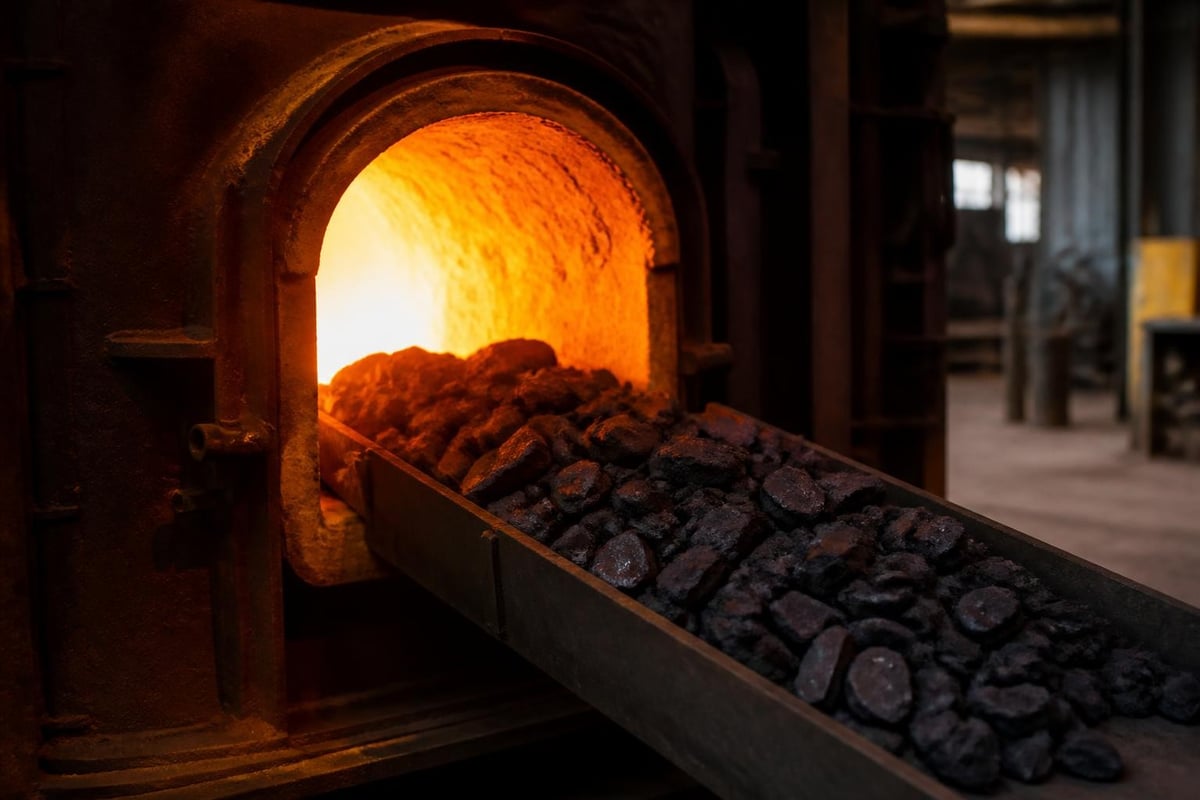
Manufacturing activated carbon involves heating carbon-rich materials like coconut shells, coal, or wood to extremely high temperatures in controlled environments. This activation process creates the extensive pore network that gives the material its filtration properties. The U.S. EPA provides detailed monitoring and control techniques for activated carbon adsorbers, highlighting the importance of proper system design and operation.
Different raw materials produce activated carbon with varying characteristics:
- Coconut shell carbon offers exceptional hardness and density, making it ideal for systems requiring durability and longevity
- Coal-based carbon provides cost-effectiveness for large-scale applications and broad-spectrum contaminant removal
- Wood-based carbon features larger pore sizes suitable for removing bigger organic molecules and certain color compounds
Common Contaminants Removed by Carbon Filtration
Carbon filtration systems excel at removing specific categories of water contaminants while having limited effectiveness against others. Understanding these capabilities helps property owners select appropriate treatment solutions for their specific water quality challenges.
Effectively Removed Contaminants
Chlorine and chloramines rank among the most commonly targeted contaminants. Municipal water treatment facilities add these disinfectants to prevent bacterial growth, but they impart unpleasant tastes and odors. A carbon filtration system removes these compounds efficiently, dramatically improving water palatability.
Volatile organic compounds (VOCs) including industrial solvents, pesticides, and herbicides adhere readily to activated carbon surfaces. These chemicals pose significant health risks even at low concentrations, making their removal essential for safe drinking water.
Certain PFAS compounds can be reduced through carbon filtration, though effectiveness varies based on specific PFAS types and concentrations. The EPA offers guidance on identifying drinking water filters certified to reduce PFAS, providing consumers with valuable selection criteria.
| Contaminant Category | Removal Effectiveness | Health Significance |
|---|---|---|
| Chlorine/Chloramines | Excellent (>95%) | Taste, odor concerns |
| VOCs | Very Good (85-95%) | Carcinogenic potential |
| Pesticides/Herbicides | Very Good (80-95%) | Neurological risks |
| PFAS (select types) | Good (60-90%) | Endocrine disruption |
| Sediment/Particles | Poor (<30%) | Aesthetic issues |
Contaminants Not Removed
Understanding the limitations of a carbon filtration system proves equally important. These systems show minimal effectiveness against dissolved minerals like calcium and magnesium (hardness), heavy metals such as lead or arsenic, and microbiological contaminants including bacteria and viruses. Addressing these requires complementary treatment technologies like reverse osmosis, ion exchange, or UV disinfection.
Types of Carbon Filtration Systems
The water treatment industry offers several carbon filtration system configurations, each designed for specific applications and performance requirements.
Granular Activated Carbon (GAC) Systems
GAC systems contain loose carbon granules through which water flows. According to the Minnesota Department of Health’s comprehensive guide on granular activated carbon filters, these systems offer excellent contaminant contact and high flow rates suitable for whole-house applications.
Advantages of GAC systems include:
- Lower initial cost compared to carbon block alternatives
- Easier carbon replacement and maintenance
- Higher water flow rates for large-volume needs
- Effective pre-filtration when combined with other treatment methods
However, GAC systems present some challenges. The loose carbon bed can create channeling, where water flows through paths of least resistance rather than contacting all carbon surfaces uniformly. This reduces overall effectiveness and may require more frequent media replacement.
Carbon Block Filtration Systems
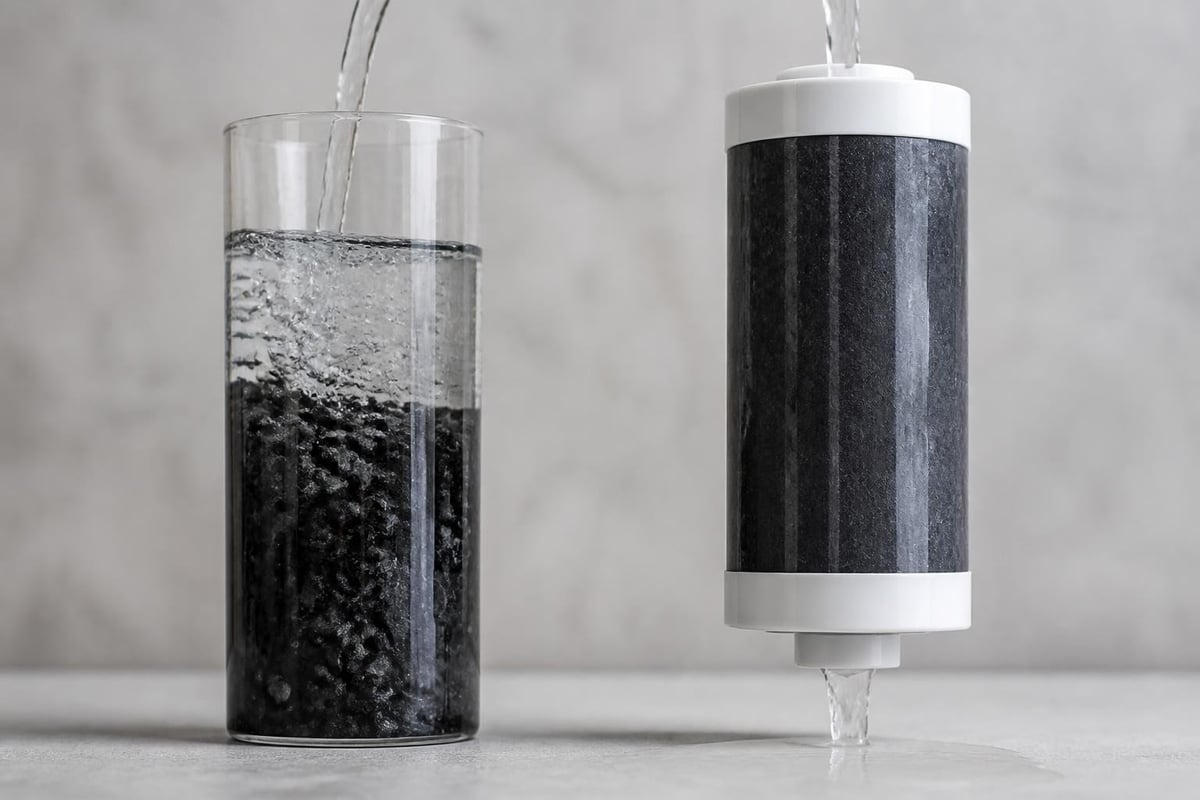
Carbon block filters compress activated carbon into solid cylindrical cartridges. This design forces water through the carbon material rather than around it, ensuring comprehensive contact. Water Tech Online details how carbon block filters function as point-of-use workhorses, offering superior performance in under-sink and countertop applications.
Key benefits include:
- Superior contaminant removal efficiency
- Dual-action filtration combining mechanical and adsorptive processes
- Reduced channeling risk
- Compact design suitable for space-limited installations
The primary drawback involves lower flow rates compared to GAC systems, making carbon block filters less practical for high-demand whole-house applications without multiple filter banks.
Catalytic Carbon Systems
Catalytic carbon represents an enhanced form of activated carbon treated to improve its oxidative properties. This specialized material excels at removing chloramines, which standard activated carbon struggles to address effectively. Properties and municipalities increasingly use chloramines instead of chlorine, making catalytic carbon an essential consideration for modern water treatment.
Residential Applications and Sizing
Selecting the appropriate carbon filtration system for residential use requires careful consideration of water quality, consumption patterns, and treatment objectives.
Point-of-Use vs. Point-of-Entry Systems
Point-of-use (POU) systems treat water at individual fixtures like kitchen sinks, providing purified water for drinking and cooking. These compact systems offer affordability and simple installation, making them popular starter solutions for homeowners concerned about water quality.
Point-of-entry (POE) systems treat all water entering a property, protecting appliances, plumbing fixtures, and providing consistent water quality throughout the home. Whole-house carbon filtration systems require larger capacities and professional installation but deliver comprehensive protection.
The University of Georgia Extension provides detailed information on activated carbon water filtration devices for residential settings, helping homeowners understand their options and requirements.
Sizing Considerations
Properly sizing a carbon filtration system involves calculating:
- Peak water demand (gallons per minute)
- Average daily water consumption
- Target contaminant levels and required reduction percentages
- Contact time needed for effective adsorption
- Service flow rate capabilities of selected media
| Household Size | Daily Water Use | Recommended GAC Capacity | Recommended Flow Rate |
|---|---|---|---|
| 1-2 people | 80-120 gallons | 0.5-1.0 cubic feet | 5-7 GPM |
| 3-4 people | 150-250 gallons | 1.0-1.5 cubic feet | 8-12 GPM |
| 5-6 people | 280-400 gallons | 1.5-2.5 cubic feet | 12-15 GPM |
| 7+ people | 450+ gallons | 2.5-4.0 cubic feet | 15-20 GPM |
Undersized systems experience rapid carbon exhaustion, requiring frequent replacement and failing to provide adequate protection. Oversized systems waste resources and space while increasing upfront costs unnecessarily.
Commercial and Industrial Applications
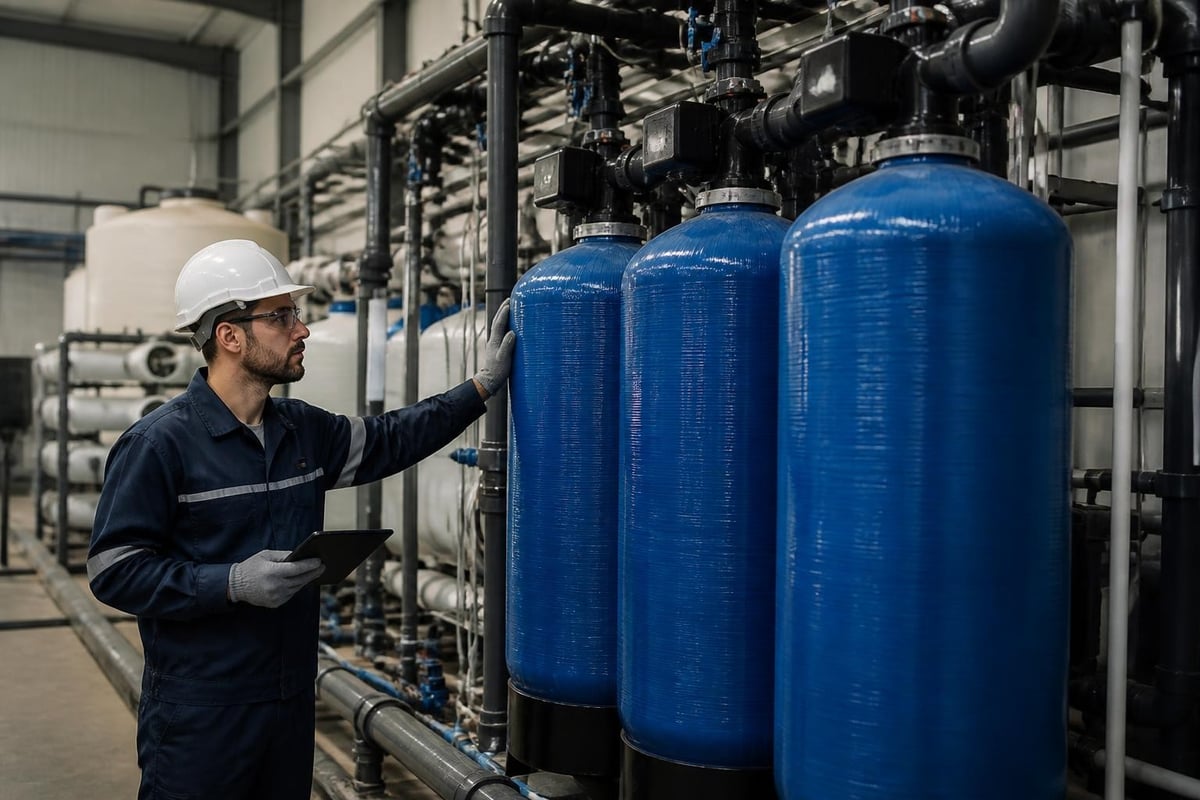
Beyond residential use, carbon filtration systems serve critical roles across numerous commercial and industrial sectors in 2026.
Food and Beverage Industry
Restaurants, breweries, and food processing facilities rely on carbon filtration to ensure product quality and consistency. Chlorine and organic compounds interfere with taste profiles, making their removal essential for beverages, ice production, and ingredient preparation. A commercial-grade carbon filtration system protects expensive equipment from scale and corrosion while maintaining the flavor integrity customers expect.
Healthcare Facilities
Hospitals and medical centers require exceptionally pure water for dialysis, laboratory work, and pharmaceutical preparation. Carbon filtration serves as a primary treatment step, removing organic contaminants before additional purification through reverse osmosis or deionization. System redundancy and continuous monitoring ensure uninterrupted access to safe water for critical medical procedures.
Manufacturing Operations
Industrial processes often demand water free from organic chemicals, chlorine, and other interfering substances. Electronics manufacturing, textile production, and chemical synthesis all depend on carbon filtration systems tailored to their specific purity requirements and volume demands.
Maintenance Requirements and Carbon Replacement
Effective operation of any carbon filtration system depends on regular maintenance and timely media replacement. Neglecting these responsibilities compromises system performance and may result in contaminated water passing through exhausted carbon.
Monitoring Carbon Life
Activated carbon has finite capacity. As it adsorbs contaminants, available bonding sites decrease until the material becomes saturated and ineffective. Several indicators suggest carbon replacement needs:
- Return of chlorine taste or odor
- Decreased water quality based on testing
- Reaching manufacturer-specified service life (typically 6-12 months for residential systems)
- Notable color or turbidity changes in treated water
Professional water testing provides the most reliable method for determining carbon effectiveness. Annual testing at minimum ensures systems continue protecting against target contaminants. Many water quality laboratories offer comprehensive analysis packages specifically designed for evaluating carbon filtration system performance.
Replacement Procedures
GAC systems typically allow for carbon replacement without changing entire filter housings. This involves:
- Shutting off water supply and relieving system pressure
- Removing old carbon media
- Cleaning filter housing thoroughly
- Adding new activated carbon
- Flushing the system before returning to service
Carbon block systems generally require complete cartridge replacement, which simplifies the process but increases ongoing costs compared to bulk GAC replacement.
System Sanitization
Periodic sanitization prevents bacterial growth within filter housings and distribution lines. Even though carbon removes many organic nutrients bacteria need, moisture and residual organics can support microbial colonies. Quarterly sanitization using approved methods maintains system hygiene and prevents biofilm development.
Integration with Comprehensive Water Treatment
While a carbon filtration system effectively addresses many water quality concerns, comprehensive treatment often requires multiple technologies working together. Understanding how carbon filtration fits within broader treatment strategies helps property owners design optimal systems.
Pre-Filtration Requirements
Sediment and particulate matter can rapidly clog carbon media, reducing effectiveness and shortening service life. Installing sediment filters upstream from carbon units protects the investment and maintains flow rates. Standard 5-micron sediment cartridges capture particles that would otherwise accumulate in carbon pores.
Post-Carbon Treatment
For applications requiring complete contaminant removal, carbon filtration serves as pre-treatment before:
- Reverse osmosis systems that remove dissolved solids, heavy metals, and remaining trace contaminants
- Ultraviolet disinfection units that eliminate bacteria, viruses, and other microbiological threats
- Water softeners addressing hardness minerals that carbon cannot remove
The University of Nebraska-Lincoln Extension discusses principles and applications of activated carbon filtration within drinking water treatment systems, providing valuable insights into multi-stage approaches.
Cost Considerations and Return on Investment
Investing in a carbon filtration system involves both initial capital expenditure and ongoing operational costs. Understanding the complete financial picture helps justify the investment and select appropriate system specifications.
Initial System Costs
Residential point-of-use carbon filtration systems range from $50 for basic faucet-mounted units to $500 for premium under-sink installations. Whole-house systems typically cost between $800 and $3,500 depending on capacity, features, and installation requirements.
Commercial and industrial carbon filtration systems vary dramatically based on flow rates, contaminant loads, and automation levels. Budget-conscious operations might invest $2,000-$5,000 for basic systems, while sophisticated installations with monitoring and automated regeneration can exceed $50,000.
Operating Expenses
Annual operating costs primarily involve carbon replacement:
- Residential POU systems: $30-$150 annually for replacement cartridges
- Residential POE systems: $100-$400 annually for media replacement
- Commercial systems: $500-$5,000+ annually depending on water volume and contamination levels
These costs remain modest compared to purchasing bottled water or addressing health issues from contaminated water exposure. For detailed information on carbon filtration and its cost-effectiveness, homeowners can explore educational resources that break down long-term value propositions.
Value Beyond Cost Savings
The return on investment extends beyond simple financial calculations. Benefits include:
- Improved health outcomes from reduced contaminant exposure
- Enhanced beverage and food quality
- Extended appliance lifespan due to reduced chemical exposure
- Increased property value through upgraded infrastructure
- Environmental benefits from reduced plastic bottle consumption
Selection Criteria for Optimal Performance
Choosing the right carbon filtration system requires evaluating numerous factors specific to your water quality challenges and usage patterns.
Water Quality Assessment
Professional water testing identifies specific contaminants requiring removal. Comprehensive analysis should include:
- Basic parameters (pH, hardness, TDS)
- Disinfection byproducts (chlorine, chloramines, THMs)
- Organic contaminants (VOCs, pesticides)
- PFAS screening where appropriate
- Microbial testing for private wells
Test results guide system selection by revealing which contaminants demand removal and at what concentrations. Water Utility Report discusses activated carbon filtration effectiveness against specific contaminant categories, helping consumers match systems to their needs.
Certification Standards
Reputable carbon filtration systems carry certifications from independent testing organizations verifying performance claims. NSF/ANSI standards provide objective benchmarks:
- NSF/ANSI 42 addresses aesthetic effects like taste, odor, and chlorine reduction
- NSF/ANSI 53 covers health-related contaminants including VOCs, certain pesticides, and cysts
- NSF/ANSI 401 focuses on emerging contaminants including pharmaceuticals and PFAS
Only select systems bearing appropriate certifications for your target contaminants to ensure reliable protection.
Flow Rate and Capacity
System capacity must match consumption patterns without compromising contact time. Insufficient contact time reduces adsorption efficiency, allowing contaminants to pass through untreated. Manufacturers specify empty bed contact time (EBCT), typically ranging from 3-10 minutes for drinking water applications. Higher contaminant concentrations or difficult-to-remove compounds require longer contact times.
Implementing an effective carbon filtration system requires understanding the technology, selecting appropriate configurations, and maintaining equipment properly to ensure consistent water quality. Whether addressing municipal chlorine, organic contaminants from agricultural runoff, or taste and odor concerns, carbon filtration delivers proven results across residential, commercial, and industrial applications. For comprehensive water treatment solutions including professional carbon filtration system design, installation, and maintenance, Terrabuilds Group combines technical expertise with commitment to quality, ensuring your water meets the highest purity standards while supporting your long-term operational goals.