Access to clean, safe drinking water shouldn't depend on whether you own or rent your home. For apartment dwellers across the United States, finding an effective water filter system for apartment living presents unique challenges. Unlike homeowners who can install whole-house systems or permanent fixtures, renters need solutions that deliver premium filtration without permanent modifications. Understanding your options, local water quality issues, and the right balance between performance and portability will help you make an informed decision that protects your health and respects your lease agreement.
Understanding Water Quality Concerns in Apartment Buildings
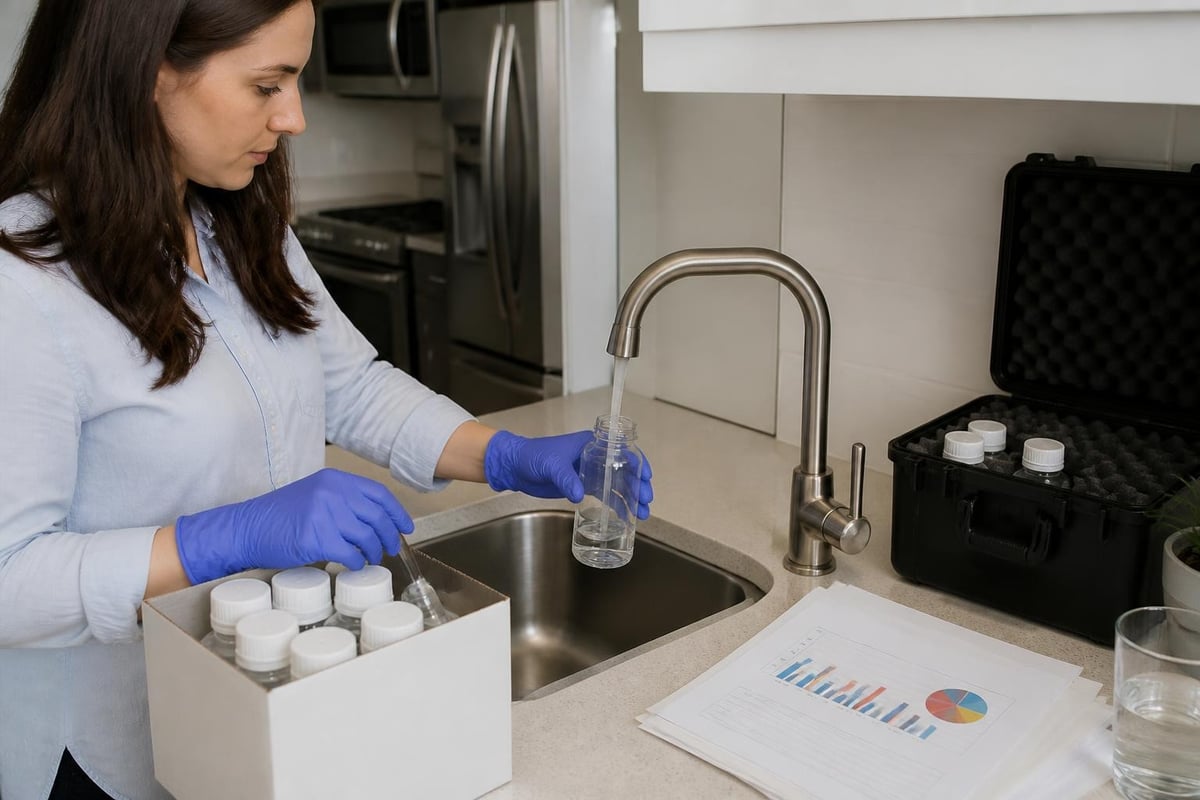
Municipal water treatment facilities work diligently to deliver safe drinking water, yet several contaminants can still reach your apartment tap. Aging infrastructure between treatment plants and your building introduces risks that many residents underestimate.
Common Contaminants in Apartment Water Supplies
Older apartment buildings often contain plumbing systems installed decades ago, potentially leaching lead, copper, and other heavy metals into the water supply. These materials dissolve slowly over time, especially in buildings constructed before updated plumbing codes took effect.
Key contaminants to monitor include:
- Lead from outdated pipes and solder joints
- Chlorine and chloramine disinfection byproducts
- PFAS chemicals from industrial contamination
- Sediment and rust from deteriorating pipes
- Nitrates in areas with agricultural runoff
- Microplastics from various environmental sources
The EPA provides guidance on home drinking water filtration that helps renters understand specific contaminants and appropriate treatment methods. Water quality varies significantly by region, making local testing essential before selecting any filtration system.
Why Apartment Water Needs Special Attention
Shared plumbing systems in multi-unit buildings create additional complexity. Water sitting in pipes serving vacant units can develop higher contaminant concentrations. Building maintenance practices, including pipe repairs and water heater replacement, can temporarily introduce sediment and metals throughout the system.
Types of Water Filter Systems Suitable for Apartments
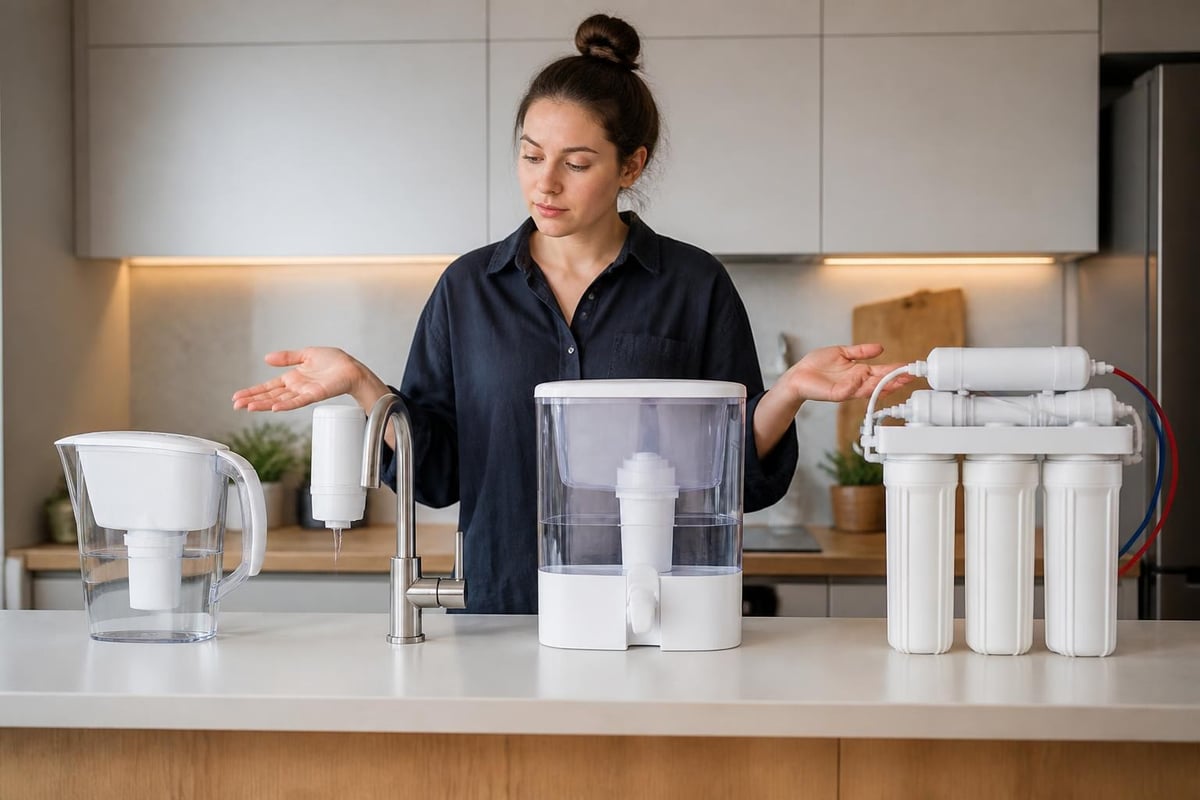
Selecting the right water filter system for apartment use requires balancing effectiveness, space constraints, installation requirements, and lease restrictions. Each system type offers distinct advantages for different living situations.
Pitcher and Dispenser Filters
These entry-level systems require zero installation and offer maximum portability. Simply fill the reservoir and gravity pulls water through the filter cartridge into the lower chamber.
| Feature | Pitcher Filters | Dispenser Filters |
|---|---|---|
| Capacity | 6-10 cups | 18-27 cups |
| Counter Space | Minimal | Moderate |
| Refrigerator Storage | Fits most | Requires space |
| Filter Lifespan | 40 gallons | 40 gallons |
| Flow Rate | Slow | Moderate |
Advantages for apartment residents:
- No landlord permission required
- Take with you when moving
- Low upfront investment
- Easy filter replacement
- Ideal for individuals or couples
Pitcher systems work well for drinking water and cooking but cannot meet whole-apartment needs. For guidance on selecting appropriate models, this apartment water filter buying guide evaluates options requiring no installation.
Faucet-Mounted Filtration Systems
These units attach directly to your kitchen faucet, providing filtered water on demand. Modern designs include diverter valves that switch between filtered and unfiltered water for tasks like dishwashing.
Installation takes minutes without tools or plumbing modifications. The system screws onto the faucet aerator, though some faucet designs prove incompatible. Check your faucet type before purchasing to avoid compatibility issues.
Performance metrics for faucet-mounted systems include flow rates between 0.5 to 1.5 gallons per minute and filter lifespans spanning 100 to 200 gallons. These specifications determine how frequently you'll replace cartridges and whether flow rate meets your household demands.
Countertop Water Filtration Units
Countertop systems deliver superior filtration compared to pitchers while avoiding under-sink installation. These units sit beside your sink and connect to the faucet through a diverter valve.
Key benefits include:
- Multi-stage filtration for comprehensive contaminant removal
- Higher capacity filters lasting 500 to 1,000 gallons
- Faster flow rates supporting cooking and drinking needs
- No cabinet space requirements
- Easy disconnection when moving
The tradeoff involves dedicating counter space to the unit. For smaller apartment kitchens, this can pose challenges. However, countertop systems often provide the best performance-to-convenience ratio for renters serious about water quality.
Under-Sink Filtration Systems
Under-sink units offer the most comprehensive filtration for apartments when lease terms permit. These systems install beneath the kitchen sink, connecting to the cold water line and often including a dedicated filtered water faucet.
Installation complexity varies from simple push-fit connectors to systems requiring pipe cutting. Most landlords approve under-sink filters provided:
- Installation causes no permanent damage
- Original plumbing can be restored upon move-out
- Professional installation ensures code compliance
- System includes shut-off valves for maintenance
Multi-stage under-sink systems can include sediment pre-filters, carbon block filters, and optional specialized media for specific contaminants. When properly maintained, these systems deliver 500 to 1,500 gallons of filtered water before cartridge replacement.
Selecting the Right Water Filter System for Apartment Living
Matching your water filter system for apartment needs to your specific situation requires evaluating several critical factors. This decision impacts your daily water quality, maintenance responsibilities, and long-term costs.
Assessing Your Water Quality
Before investing in filtration equipment, obtain a water quality report from your municipal supplier and consider independent testing for building-specific issues. According to experts on water filter necessity, understanding your water's specific contaminants guides appropriate filter selection.
Testing reveals:
- Contaminant types and concentrations
- pH levels affecting filter performance
- Hardness minerals influencing filter lifespan
- Seasonal variations in water quality
- Compliance with EPA safety standards
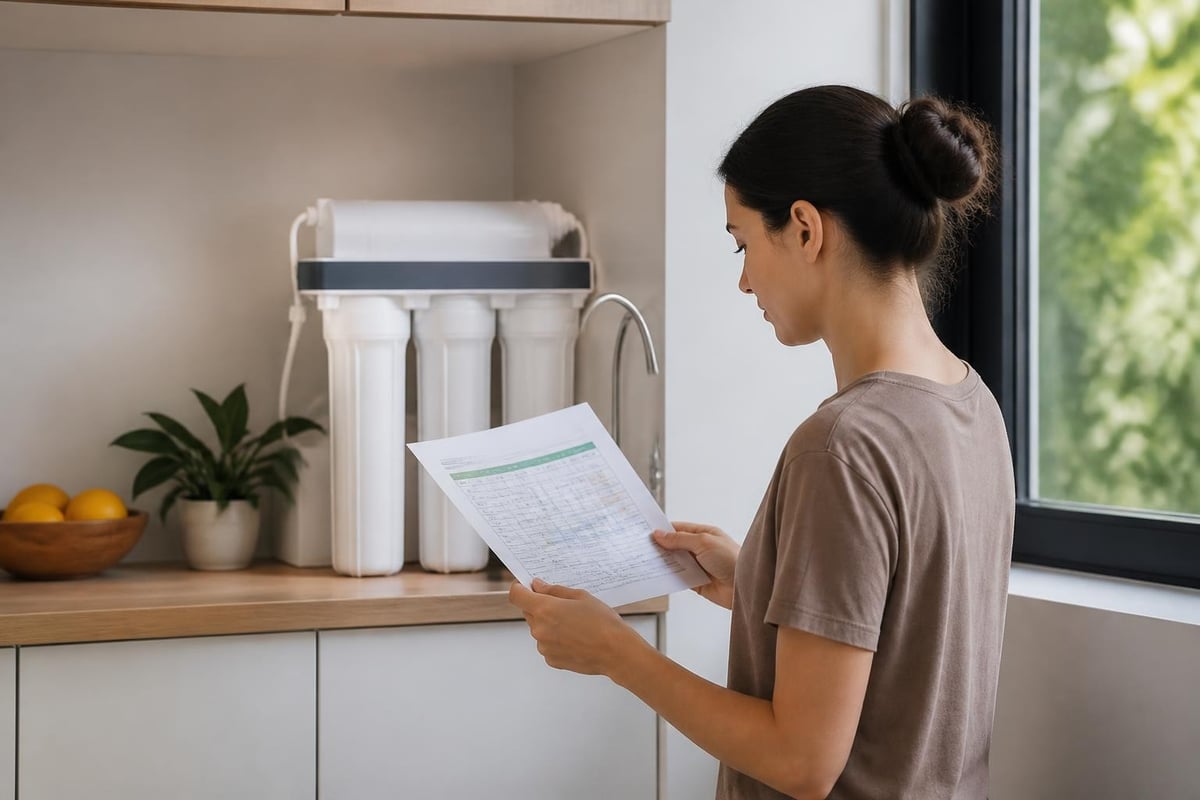
Request your building's most recent water quality report from property management. This document identifies treatment methods and detected contaminants, providing baseline information for filter selection.
Matching Filters to Contaminant Concerns
Filter certifications indicate which contaminants a system effectively removes. NSF International and the Water Quality Association certify filters for specific reduction claims, providing independent verification of manufacturer promises.
| Certification | Removes | Best Filter Type |
|---|---|---|
| NSF 42 | Chlorine, taste, odor | Carbon filters |
| NSF 53 | Lead, cysts, VOCs | Carbon block, multi-stage |
| NSF 58 | TDS, fluoride, arsenic | Reverse osmosis |
| NSF 401 | Pharmaceuticals, PFAS | Advanced carbon, RO |
| NSF P473 | PFAS compounds | Specialized carbon |
For apartments with PFAS concerns, EPA-certified PFAS reduction filters provide verified performance against these persistent chemicals. Match your test results to appropriate certifications for targeted contaminant removal.
Space and Installation Considerations
Apartment kitchens typically offer limited space, making physical dimensions a primary selection criterion. Measure available areas before purchasing any water filter system for apartment installation.
Space assessment checklist:
- Under-sink cabinet depth and width
- Countertop area for standalone units
- Refrigerator capacity for pitcher storage
- Faucet aerator thread size and type
- Clearance around sink areas
Consider future apartment moves when selecting systems. Portable units like pitchers and faucet-mounted filters transfer easily to new locations, while installed systems may not fit different sink configurations.
Budget and Ongoing Costs
Total cost of ownership extends beyond initial purchase price. Replacement filter cartridges, potential installation fees, and water waste from certain systems create ongoing expenses that vary dramatically between filter types.
Annual cost comparison for typical use:
- Pitcher filters: $120-180 in replacement cartridges
- Faucet-mounted: $80-120 in cartridges
- Countertop systems: $100-200 in cartridges
- Under-sink filters: $150-300 in cartridges
- Reverse osmosis: $200-400 including waste water
Calculate costs based on your household's water consumption and filter lifespan specifications. A family of four consumes significantly more filtered water than a single resident, affecting replacement frequency and annual expenses.
Installation and Maintenance Best Practices
Proper installation and consistent maintenance ensure your water filter system for apartment use performs optimally throughout its service life. Following manufacturer guidelines prevents common problems that reduce effectiveness.
Step-by-Step Installation Guidelines
Each filter type requires different installation procedures, but common principles apply across systems. Always read complete instructions before beginning any installation project.
For faucet-mounted systems:
- Remove existing faucet aerator by turning counterclockwise
- Clean faucet threads of debris and mineral deposits
- Select appropriate adapter from included fittings
- Thread adapter onto faucet securely by hand
- Attach filter unit to adapter until connection seats properly
- Run water for 5 minutes to flush filter media
- Check all connections for leaks during operation
Countertop and under-sink installations involve additional steps including diverter valve attachment and supply line connections. For complex under-sink systems, professional installation ensures code compliance and prevents water damage from improper connections.
Filter Replacement Schedules
Replacement timing depends on water consumption, contaminant levels, and filter capacity. Exceeding recommended replacement intervals reduces filtration effectiveness and may allow contaminant breakthrough.
Track these indicators:
- Gallons filtered using flow meters or estimation
- Calendar months since last replacement
- Flow rate reductions indicating clogging
- Taste or odor changes suggesting saturation
- Manufacturer recommended timelines
Set calendar reminders for replacement based on average household consumption. Most manufacturers recommend replacement every 2 to 6 months regardless of gallons filtered, as bacteria can colonize saturated filter media.
Sanitization and System Cleaning
Regular cleaning prevents bacterial growth and maintains system hygiene. Different filter types require specific sanitization approaches to avoid damaging filtration media.
For pitcher and dispenser systems, wash reservoirs weekly with soap and warm water. Rinse thoroughly to remove soap residue before refilling. Never clean filter cartridges, as washing damages the filtration media.
Faucet-mounted and countertop units benefit from exterior cleaning with disinfecting wipes. Periodically remove and soak diverter valves in vinegar solution to dissolve mineral deposits affecting valve operation.
Troubleshooting Common Issues
Performance problems typically stem from installation errors, filter saturation, or incompatible water conditions. Systematic troubleshooting identifies root causes and appropriate solutions.
| Problem | Likely Cause | Solution |
|---|---|---|
| Slow flow rate | Clogged filter | Replace cartridge earlier |
| Leaking connections | Loose fittings | Tighten or replace washers |
| Bad taste persists | Wrong filter type | Match filter to contaminants |
| Unit doesn't fit faucet | Incompatible threads | Use different adapter |
| Filter life too short | High sediment | Add pre-filter stage |
When problems persist despite troubleshooting, contact manufacturer support for technical assistance. Many quality brands offer extensive customer service to resolve performance issues.
Health and Safety Considerations for Filtered Water
Understanding both the benefits and limitations of your water filter system for apartment use ensures realistic expectations about water quality improvements. No single filter removes all possible contaminants.
What Filters Can and Cannot Remove
Carbon-based filters excel at removing chlorine, volatile organic compounds, and chemicals affecting taste and odor. They perform adequately for many heavy metals when designed with sufficient contact time and appropriate media.
Limitations of standard filters:
- Most cannot remove dissolved minerals (hardness)
- Bacterial removal requires special certifications
- Fluoride typically passes through carbon filters
- Nitrates need specialized ion exchange media
- Total dissolved solids remain largely unchanged
Reverse osmosis systems address many limitations of carbon filters but waste water during operation and require more complex maintenance. For comprehensive information on drinking water options, the EPA offers detailed guidance on home water systems.
Avoiding Cross-Contamination
Improper filter handling introduces bacteria and contaminants into your filtered water. Always wash hands thoroughly before touching filter cartridges or internal system components.
Store replacement filters in clean, dry locations away from chemicals and potential contaminants. Never use filters past their expiration dates, as media breakdown can release previously captured contaminants back into your water.
Special Considerations for Vulnerable Populations
Infants, elderly individuals, pregnant women, and immunocompromised people require extra protection from waterborne contaminants. Standard filters may not provide adequate safety margins for these populations.
Consult healthcare providers about appropriate water treatment for specific medical conditions. Some situations warrant boiling water or using bottled water regardless of filtration system quality.
Advanced Filtration Technologies for Apartments
Beyond basic carbon filtration, several advanced technologies offer superior contaminant removal while remaining feasible for apartment installation. These systems address specific water quality challenges that standard filters cannot resolve.
Reverse Osmosis Systems
Reverse osmosis forces water through semi-permeable membranes that block contaminants at the molecular level. These systems remove up to 99% of dissolved solids, heavy metals, and many chemical contaminants.
RO system components include:
- Sediment pre-filter removing particles
- Carbon pre-filter reducing chlorine
- RO membrane rejecting dissolved contaminants
- Carbon post-filter polishing taste
- Storage tank holding filtered water
Under-sink RO units fit most apartment cabinets despite requiring more space than simple carbon filters. The systems produce wastewater during operation, typically 3 to 5 gallons of drain water for each gallon of filtered water produced.
UV Purification Add-Ons
Ultraviolet light destroys bacteria, viruses, and other microorganisms without chemicals. UV chambers install downstream from particulate filters, ensuring clear water for effective disinfection.
Apartment applications include point-of-use UV systems treating water at individual faucets. These compact units require electrical connections but provide chemical-free microbial protection especially valuable in buildings with aging plumbing.
Catalytic Carbon and KDF Media
Advanced carbon formulations and kinetic degradation fluxion (KDF) media target contaminants that standard activated carbon handles poorly. Catalytic carbon excels at chloramine removal, while KDF reduces heavy metals through oxidation-reduction reactions.
Combining these media in multi-stage systems creates comprehensive treatment addressing diverse contaminant profiles. For renters seeking maximum protection, systems incorporating these technologies deliver performance approaching whole-house treatment in apartment-friendly formats.
Environmental Impact and Sustainability
Choosing an appropriate water filter system for apartment living involves considering environmental implications beyond immediate water quality improvements. Different filtration approaches create varying levels of waste and resource consumption.
Reducing Plastic Bottle Waste
Single-use plastic bottles contribute significantly to environmental pollution and represent ongoing expenses for apartment residents. A quality filtration system eliminates bottled water dependency while reducing plastic waste.
Annual impact of switching to filtered tap water:
- Average household prevents 156 plastic bottles from landfills
- Reduces carbon footprint from bottle production and transport
- Eliminates microplastic consumption from bottle degradation
- Saves $200-600 compared to bottled water purchases
- Decreases petroleum usage in plastic manufacturing
Beyond environmental benefits, filtered tap water provides convenience by eliminating bottle storage and heavy grocery loads to upper-floor apartments.
Filter Cartridge Disposal and Recycling
Spent filter cartridges create waste that many municipalities cannot recycle through standard programs. Carbon media, plastic housings, and mixed materials complicate recycling efforts.
Several manufacturers now offer cartridge recycling programs accepting used filters by mail. TerraCycle and similar services partner with brands to divert filter waste from landfills, though programs may charge fees or require bulk shipments.
Research local hazardous waste collection events that may accept water filters. Some communities include filter cartridges in special collection days for items excluded from regular recycling.
Water Conservation Considerations
Reverse osmosis systems waste significant water during operation, raising sustainability concerns in drought-prone regions. Standard RO units reject 3 to 5 gallons for every gallon filtered, though efficient models reduce waste ratios.
For apartments where water conservation matters, carbon-based filters offer excellent performance without wastewater production. Balancing filtration needs against environmental impact guides responsible system selection.
Legal and Lease Considerations
Installing a water filter system for apartment use requires understanding your lease agreement and local regulations. Proper communication with property management prevents conflicts and ensures compliance.
Reviewing Lease Restrictions
Most lease agreements include clauses regarding alterations and modifications to rental units. Review these sections carefully before purchasing filtration equipment requiring installation.
Common lease provisions affecting filters:
- Prohibitions on plumbing modifications
- Requirements for professional installation
- Restoration obligations upon move-out
- Permission procedures for improvements
- Liability for water damage from installations
Portable systems like pitchers and some faucet-mounted filters typically fall outside modification restrictions since they cause no permanent changes. Under-sink systems may require written landlord approval.
Obtaining Landlord Approval
When seeking permission for installed systems, present detailed product information demonstrating minimal impact. Emphasize reversible installation, professional-grade components, and your commitment to restoration.
Effective approval requests include:
- Manufacturer specifications and installation instructions
- Professional installer credentials and insurance
- Written commitment to remove system upon vacating
- Photos of similar installations in other properties
- Explanation of health benefits and water quality concerns
Some landlords appreciate filtration systems as property improvements that increase rental appeal. Position your request as benefiting both your health and property value.
Liability and Insurance Implications
Water damage from filtration system failures can create significant liability issues. Understand who bears responsibility for damage caused by filter leaks or installation errors.
Renter's insurance typically covers personal property damage but may exclude damage from intentional modifications. Verify coverage before installing under-sink or connected systems. Professional installation by licensed plumbers often satisfies insurance requirements and may be necessary for landlord approval.
Selecting the right water filter system for apartment living balances performance, convenience, and lease compliance while delivering clean, safe drinking water. Understanding your specific water quality concerns, space constraints, and budget guides you toward appropriate filtration solutions that protect your health without jeopardizing your rental agreement. Whether you choose a simple pitcher filter or invest in a comprehensive under-sink system, quality filtration improves your daily life and reduces environmental impact from bottled water consumption. Terrabuilds Group delivers premium water treatment solutions tailored to your specific needs, offering expert guidance on filtration systems and comprehensive water quality services backed by our commitment to reliability and customer satisfaction.