Access to clean, reliable water remains a fundamental challenge across residential, commercial, and agricultural sectors worldwide. A bore hole water supply offers a sustainable alternative to municipal systems, providing direct access to groundwater resources through engineered drilling and extraction systems. As water scarcity intensifies and infrastructure demands grow, understanding the technical, environmental, and economic aspects of borehole systems becomes essential for property developers, businesses, and communities seeking long-term water security.
Understanding Bore Hole Water Supply Systems
A bore hole water supply system extracts groundwater from aquifers through a drilled shaft, typically ranging from 50 to 400 feet deep depending on geological conditions and water table depth. Unlike shallow wells, boreholes penetrate multiple geological layers to reach productive aquifers, ensuring consistent yield even during dry seasons.
The system comprises several integrated components working together to deliver water from underground sources to point-of-use applications. Drilling equipment creates the vertical shaft, while casing pipes prevent collapse and contamination. Submersible pumps lift water to the surface, and storage tanks maintain pressure and supply continuity.
Core Components and Infrastructure
Modern bore hole water supply installations require precise engineering to maximize efficiency and longevity. Each element serves a specific function in the extraction and delivery process:
- Borehole casing: Steel or PVC pipes preventing sidewall collapse and surface contamination
- Screens and filters: Allow water entry while blocking sediment and debris
- Pump systems: Submersible or surface pumps matched to depth and required flow rates
- Control panels: Automated systems managing pump operation and pressure
- Distribution networks: Piping, valves, and storage connecting the borehole to end users
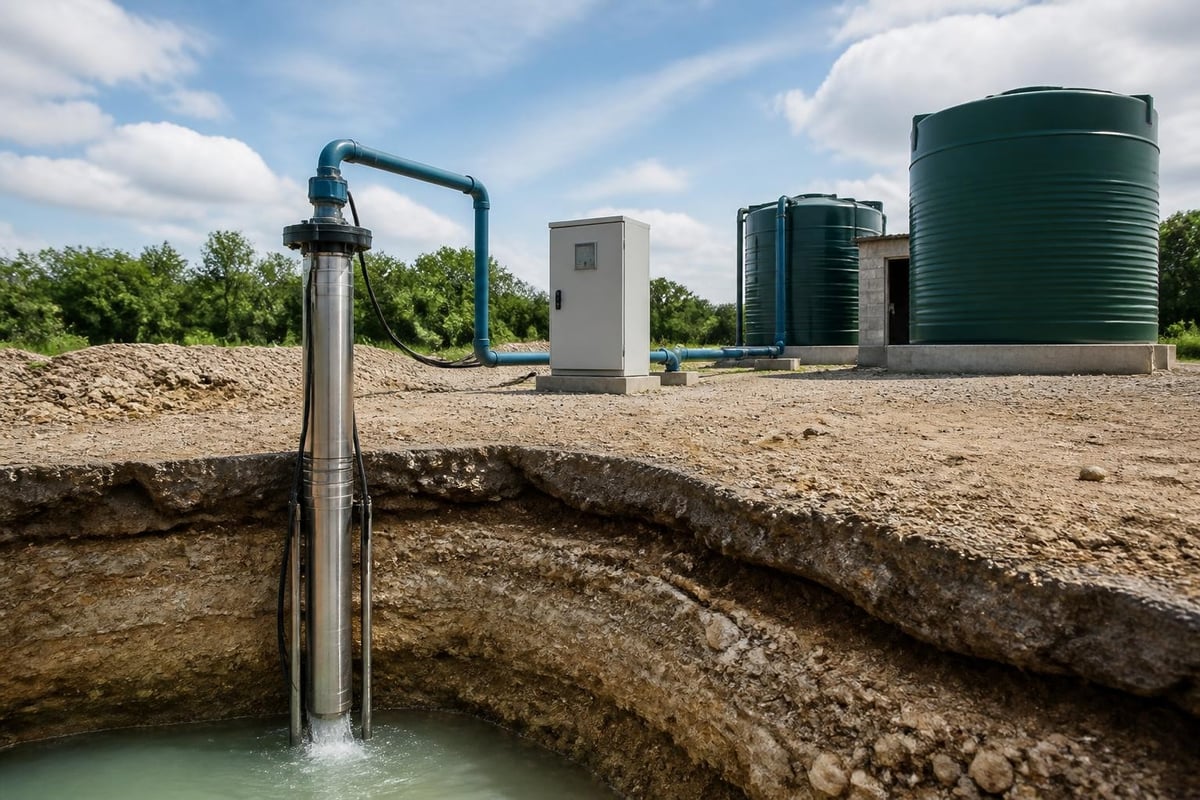
Water quality testing equipment and treatment systems often form essential additions to the basic infrastructure. Groundwater characteristics vary significantly based on geological formations, requiring site-specific treatment approaches.
Site Selection and Hydrogeological Assessment
Choosing the optimal location for a bore hole water supply system directly impacts yield, water quality, and operational costs over the system's lifespan. Borehole site selection requires careful analysis of environmental factors, pollution risks, and geological conditions to ensure sustainable water extraction.
Professional hydrogeological surveys identify productive aquifers through geophysical methods including electrical resistivity, seismic profiling, and electromagnetic surveys. These techniques map subsurface water-bearing formations without destructive excavation.
Critical Selection Factors
Successful bore hole water supply projects begin with comprehensive site assessment addressing multiple environmental and technical criteria:
| Factor | Consideration | Impact on System |
|---|---|---|
| Aquifer depth | Distance to water-bearing layer | Determines drilling costs and pump requirements |
| Geological formation | Rock type and permeability | Affects yield capacity and recharge rates |
| Contamination sources | Proximity to septic systems, industry | Influences water quality and treatment needs |
| Water demand | Required daily volume | Determines borehole diameter and pump capacity |
| Accessibility | Site access for drilling equipment | Affects installation costs and timeline |
Regulatory requirements vary by jurisdiction, but most regions mandate minimum distances from potential contamination sources. Positioning the borehole at least 50 meters from septic systems, agricultural chemical storage, and waste disposal sites reduces pollution risks significantly.
Topography influences both drilling accessibility and natural drainage patterns. Elevated locations often provide better protection from surface runoff contamination, while low-lying areas may offer easier access to shallow aquifers but increased flood risk.
Water Quality and Treatment Considerations
Groundwater extracted through a bore hole water supply system rarely emerges pristine and ready for consumption. Natural geological processes introduce minerals, while human activities may contaminate aquifers with bacteria, nitrates, or industrial compounds. Water quality monitoring and treatment protect health and extend equipment lifespan.
Common Groundwater Contaminants
Testing reveals the specific treatment requirements for each bore hole water supply system. Parameters requiring regular monitoring include:
- Microbial contamination: Bacteria, viruses, and parasites from surface infiltration
- Heavy metals: Iron, manganese, arsenic, lead from geological dissolution
- Hardness minerals: Calcium and magnesium causing scale buildup
- Nitrates and nitrites: Agricultural runoff indicating fertilizer contamination
- pH levels: Acidity or alkalinity affecting corrosion and taste
Treatment system design responds to identified contaminants through targeted technologies. Chlorination addresses microbial threats, while reverse osmosis removes dissolved solids and heavy metals. Ion exchange softeners combat hardness, and sediment filters protect pumps and fixtures from particulate damage.

Professional water quality laboratories should test samples quarterly during the first year of operation, then annually if results remain stable. Sudden changes in taste, odor, or appearance warrant immediate retesting regardless of schedule.
Drilling Methods and Construction Standards
The drilling methodology selected for establishing a bore hole water supply system depends on geological conditions, target depth, and budget constraints. Each technique offers distinct advantages for specific soil and rock formations.
Rotary drilling employs rotating drill bits with fluid circulation to penetrate hard rock formations efficiently. This method excels in deep boreholes exceeding 200 feet, producing clean, straight shafts through variable geology.
Cable tool drilling uses a heavy bit repeatedly dropped to fracture rock, removing cuttings periodically. While slower than rotary methods, this traditional approach works reliably in boulder-laden soils where other techniques struggle.
Air rotary drilling combines rotation with compressed air to clear cuttings, proving effective in dry, unconsolidated formations. This method reduces water consumption during drilling operations.
Construction Quality Standards
Proper construction techniques determine whether a bore hole water supply system delivers decades of reliable service or requires premature replacement. Research on borehole lifespan across 35 countries demonstrates that construction quality significantly influences functional longevity.
Critical construction elements include:
- Adequate casing depth: Extending below the static water level prevents pump damage during seasonal fluctuations
- Sanitary seal: Cement grouting around upper casing sections blocks surface contamination pathways
- Screen placement: Positioning within the most productive aquifer zones maximizes yield
- Plumbness verification: Maintaining vertical alignment prevents pump installation difficulties
- Development pumping: Clearing drilling debris and fine sediments improves long-term performance
Documentation of drilling logs, geological formations encountered, and final construction specifications provides essential reference for future maintenance and troubleshooting. Detailed records identify the exact depth of water-bearing zones and casing specifications.
Pump Selection and System Design
Matching pump capacity to a bore hole water supply system's requirements balances immediate water demand against long-term operational costs. Undersized pumps fail to meet peak demand, while oversized units waste energy and accelerate wear.
Pump Sizing Calculations
Determining appropriate pump specifications requires analysis of multiple factors:
| Parameter | Measurement | Application |
|---|---|---|
| Total Dynamic Head | Vertical lift + friction losses + pressure requirements | Determines pump power needs |
| Flow rate | Gallons per minute or liters per second | Matches daily consumption patterns |
| Aquifer yield | Sustainable extraction rate | Prevents over-pumping and depletion |
| Duty cycle | Operating hours per day | Influences motor sizing and cooling |
Submersible pumps installed within the borehole casing offer advantages for deeper installations, operating quietly while protected from weather exposure. Surface pumps mounted at ground level simplify maintenance access but limit effective suction depth to approximately 25 feet.
Variable frequency drives optimize energy consumption by adjusting pump speed to match real-time demand. These controllers reduce electrical costs significantly compared to constant-speed operation, particularly in systems with fluctuating usage patterns.
Maintenance and Operational Sustainability
Sustaining a bore hole water supply system's performance requires proactive maintenance addressing both mechanical components and water quality preservation. Studies of rural borehole functionality demonstrate that regular maintenance, spare parts availability, and trained operators significantly extend operational lifespans.
Preventive Maintenance Schedule
Systematic inspection and service intervals prevent minor issues from escalating into costly failures:
Monthly tasks include checking water levels, inspecting electrical connections, testing pressure switches, and monitoring pump performance indicators. Documenting flow rates and power consumption reveals gradual degradation before complete failure occurs.
Quarterly maintenance addresses water quality testing, control panel inspection, and verification of automatic shutdown systems. Pressure tank bladder condition and valve operation require periodic assessment.
Annual service involves comprehensive pump inspection, electrical system testing, and professional evaluation of yield capacity. Comparing current performance against baseline measurements identifies declining productivity requiring intervention.
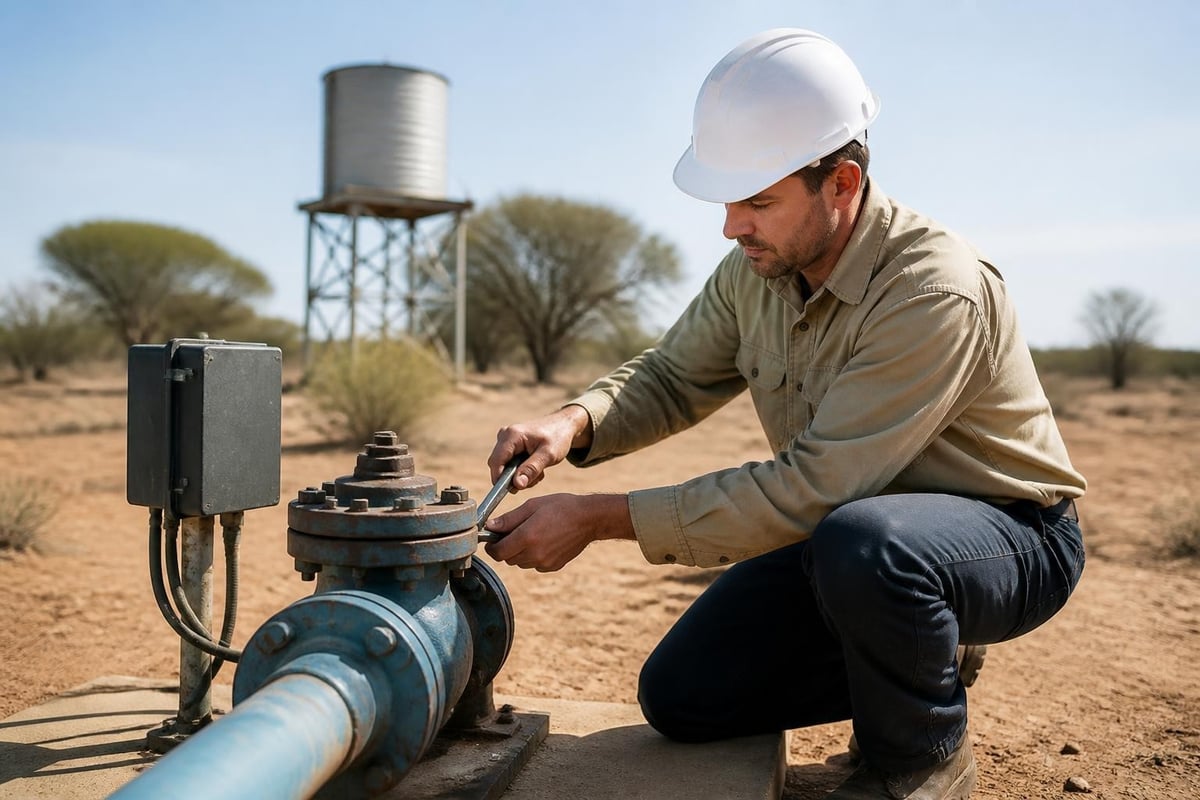
Well rehabilitation techniques restore declining bore hole water supply systems through chemical treatment, mechanical surging, or high-pressure jetting. These interventions remove mineral deposits and biological growth clogging screens and aquifer formations.
Economic Analysis and Return on Investment
Evaluating the financial viability of a bore hole water supply system requires comparing initial capital expenditure against ongoing operational savings. Installation costs vary considerably based on depth, geological conditions, and treatment requirements.
Cost Components
Initial investment encompasses drilling, casing, pump installation, electrical infrastructure, and treatment systems. Typical residential boreholes range from $5,000 to $15,000, while commercial installations serving larger facilities may exceed $50,000 depending on capacity requirements.
Operating expenses include electrical consumption, maintenance, periodic testing, and eventual component replacement. Energy-efficient pumps and optimized control systems minimize monthly costs.
Municipal water cost comparison provides the baseline for calculating payback periods. Properties consuming 10,000 gallons monthly at municipal rates of $0.005 per gallon spend $50 monthly, or $600 annually. A bore hole water supply system costing $10,000 achieves payback in approximately 16 years, excluding operational expenses.
However, water rate increases averaging 4-5% annually accelerate payback substantially. Many jurisdictions implement tiered pricing penalizing high-volume users, making bore hole water supply systems particularly attractive for commercial agriculture, manufacturing, and large institutional facilities.
Regulatory Compliance and Permitting
Establishing a bore hole water supply system requires navigating regulatory frameworks governing groundwater extraction and use. Government policies significantly influence borehole sustainability, with effective oversight balancing resource development against environmental protection.
Permit requirements typically address:
- Extraction limits: Maximum daily or annual withdrawal volumes preventing aquifer depletion
- Spacing regulations: Minimum distances between boreholes protecting neighboring water rights
- Construction standards: Approved drilling methods, casing specifications, and sealing requirements
- Reporting obligations: Installation documentation, yield testing, and water quality results
Professional drillers familiar with local regulations streamline permitting processes, ensuring compliance while avoiding delays. Some jurisdictions exempt low-capacity domestic boreholes from permitting, while agricultural and commercial installations face rigorous approval processes.
Environmental impact assessments may be mandatory for high-capacity bore hole water supply systems, evaluating potential effects on surface water bodies, wetlands, and existing users. Cumulative extraction modeling determines whether proposed withdrawals remain within sustainable limits.
Community and Institutional Bore Hole Water Supply Projects
Large-scale bore hole water supply installations serving communities, schools, or healthcare facilities introduce additional complexity beyond individual residential systems. Sustainability research in Tanzania reveals that community involvement, clear governance structures, and financial planning determine long-term functionality.
Success Factors for Institutional Systems
Effective community bore hole water supply projects incorporate several critical elements:
User participation during planning phases ensures system design matches actual needs and usage patterns. Committees representing diverse stakeholder groups facilitate decision-making and resource allocation.
Financial sustainability requires establishing transparent payment mechanisms covering operational costs, maintenance reserves, and eventual replacement. Flat fees, volumetric charges, or hybrid approaches each present advantages depending on community characteristics.
Technical capacity within the user community enables rapid response to minor issues before they escalate. Training local technicians in basic maintenance, water quality monitoring, and troubleshooting reduces dependence on distant specialists.
Spare parts logistics affect system uptime dramatically. Maintaining inventory of critical components like pump seals, pressure switches, and control relays prevents extended downtime awaiting deliveries.
| Governance Model | Advantages | Challenges |
|---|---|---|
| Community committee | Local ownership, responsive decision-making | Potential for mismanagement without oversight |
| Municipal operation | Professional management, integration with infrastructure | Bureaucratic delays, reduced community engagement |
| Private operator | Technical expertise, efficiency incentives | Cost recovery pressure, profit prioritization |
| Hybrid partnership | Combines expertise with local participation | Coordination complexity, role clarity requirements |
Successful institutional bore hole water supply systems balance technical performance with social and financial sustainability, recognizing that reliable water access depends equally on engineering excellence and effective governance.
Climate Resilience and Future Planning
Groundwater resources accessed through bore hole water supply systems face increasing pressure from climate variability, population growth, and competing demands. Forward-looking system design incorporates resilience measures addressing evolving conditions.
Aquifer monitoring tracks water level trends, revealing whether extraction rates remain sustainable or require adjustment. Observation wells distinct from production boreholes provide accurate measurements unaffected by pumping drawdown.
Demand management through conservation measures, efficient fixtures, and usage education extends water availability. Pairing bore hole water supply systems with rainwater harvesting or greywater recycling reduces groundwater dependence.
Adaptive capacity provisions allow system modifications responding to changing conditions. Oversizing casing diameter facilitates pump upgrades or deeper drilling if water levels decline. Expandable treatment systems accommodate quality degradation or regulatory changes.
Recharge enhancement through managed aquifer recharge captures surplus surface water during wet periods, storing it underground for dry-season extraction. This approach stabilizes water tables while improving system reliability.
Developing a reliable bore hole water supply system requires integrating technical expertise, environmental stewardship, and long-term planning to deliver sustainable water access. From initial site selection through ongoing maintenance and community governance, success depends on attention to engineering fundamentals and adaptive management. Terrabuilds Group combines premium borehole drilling capabilities with comprehensive water treatment solutions, delivering reliable systems backed by professional expertise and customer-focused service. Contact their team today to explore how engineered groundwater solutions can meet your water security needs.