Drilling in water environments presents unique challenges that require specialized knowledge, equipment, and safety protocols. Whether you're establishing a new water supply for residential communities, agricultural operations, or commercial facilities, understanding the complexities of aquifer penetration, contamination prevention, and regulatory compliance is essential for project success. This comprehensive guide explores the technical considerations, safety measures, and best practices that ensure reliable, sustainable water access through professionally executed borehole operations.
Understanding the Fundamentals of Water Well Drilling
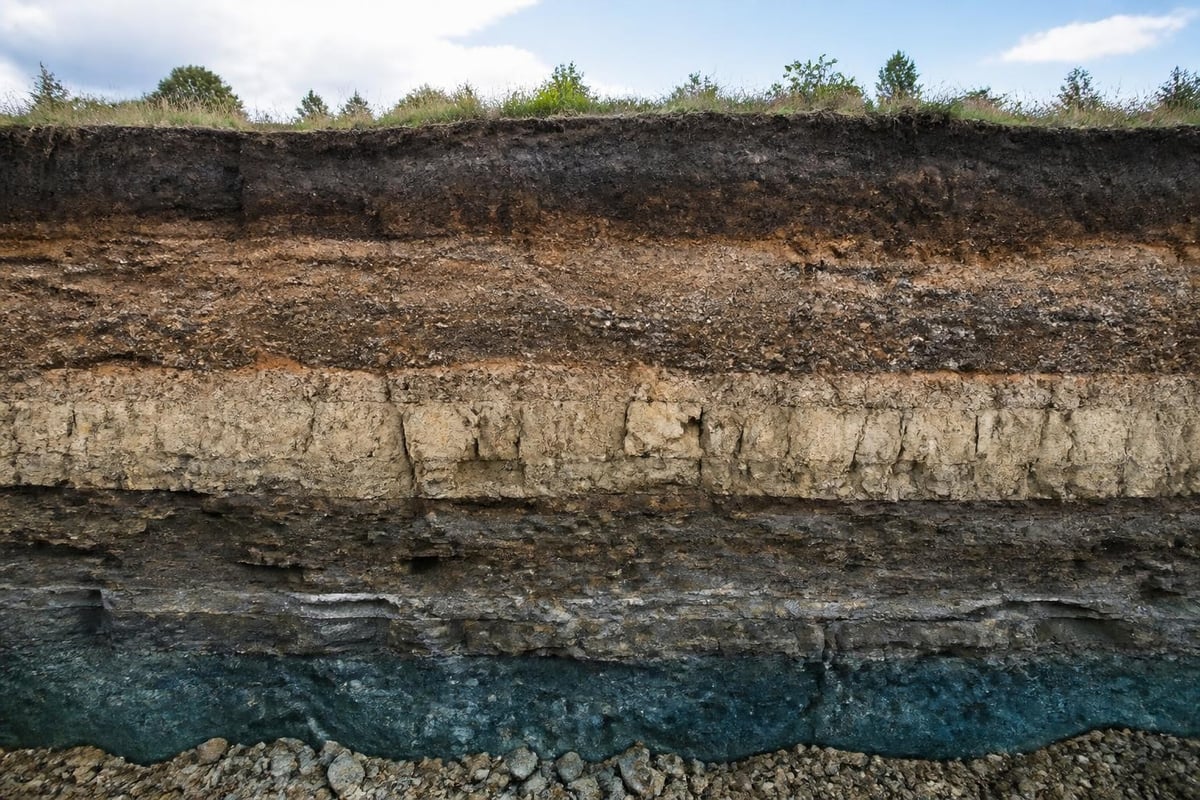
Drilling in water-bearing formations requires a thorough understanding of subsurface geology and hydrogeology. The process involves penetrating various soil and rock layers to reach productive aquifers while maintaining wellbore stability and preventing contamination. Professional drilling operations must account for factors including water table depth, aquifer characteristics, geological formations, and potential contamination sources.
Geological Assessment and Site Selection
Before any drilling begins, comprehensive geological surveys identify the most promising locations for water access. These assessments evaluate soil composition, rock formations, and aquifer depth to determine optimal drilling locations. Site selection must consider distance from potential contamination sources such as septic systems, agricultural runoff areas, and industrial facilities.
Professional geologists use several methods to assess subsurface conditions:
- Electromagnetic surveys to detect water-bearing zones
- Seismic reflection testing for depth determination
- Historical well data analysis from nearby installations
- Soil resistivity measurements for aquifer mapping
- Test boring programs for direct geological confirmation
The ASTM Standard Guide D5782-18(2026) provides technical protocols for direct air-rotary drilling procedures, which are commonly employed in geoenvironmental exploration and water quality monitoring device installation. These standards ensure consistency and safety across drilling operations.
Drilling Methods and Equipment Selection
Different drilling methodologies offer distinct advantages depending on geological conditions, project scale, and water quality requirements. Selecting the appropriate technique directly impacts project efficiency, cost, and long-term well performance.
Rotary Drilling Techniques
Rotary drilling represents the most common method for drilling in water applications, using rotating drill bits to penetrate subsurface formations. This technique employs drilling fluid (mud) circulation to remove cuttings, stabilize the borehole, and cool the drill bit. Direct circulation rotary drilling pumps fluid down through the drill pipe and returns it to the surface through the annular space, carrying rock cuttings upward.
Reverse circulation rotary drilling reverses this flow pattern, with fluid moving down the outside of the drill pipe and returning up through the center. This method proves particularly effective in unconsolidated formations and produces larger-diameter boreholes with greater efficiency.
| Drilling Method | Best Applications | Typical Depth Range | Advantages | Limitations |
|---|---|---|---|---|
| Cable Tool | Hard rock, shallow wells | 50-300 feet | Simple equipment, minimal water use | Slow penetration rate |
| Direct Rotary | Most soil types | 100-1,000+ feet | Fast, versatile | Requires drilling fluid |
| Reverse Rotary | Unconsolidated formations | 200-2,000 feet | Large diameter capability | Higher equipment cost |
| Air Rotary | Hard rock formations | 100-1,500 feet | Clean drilling, no mud | Dust generation concerns |
| Percussion | Rocky terrain | 50-500 feet | Works in difficult conditions | Slower than rotary methods |
Equipment Specifications and Capabilities
Modern drilling rigs feature advanced hydraulic systems, automated controls, and digital monitoring capabilities. Rig selection depends on required borehole diameter, anticipated drilling depth, geological conditions, and site accessibility. Truck-mounted rigs offer mobility for multiple-site projects, while stationary rigs provide greater power for deeper drilling operations.
The advancements in digital drilling technology have revolutionized monitoring and operational control, incorporating artificial intelligence and automated systems that enhance safety and precision when drilling in water-bearing zones.
Safety Protocols and Contamination Prevention
Protecting water quality throughout the drilling process requires rigorous safety protocols and contamination prevention measures. Every phase of drilling operations presents potential risks that must be managed through proper procedures, equipment maintenance, and regulatory compliance.
Well Construction Standards
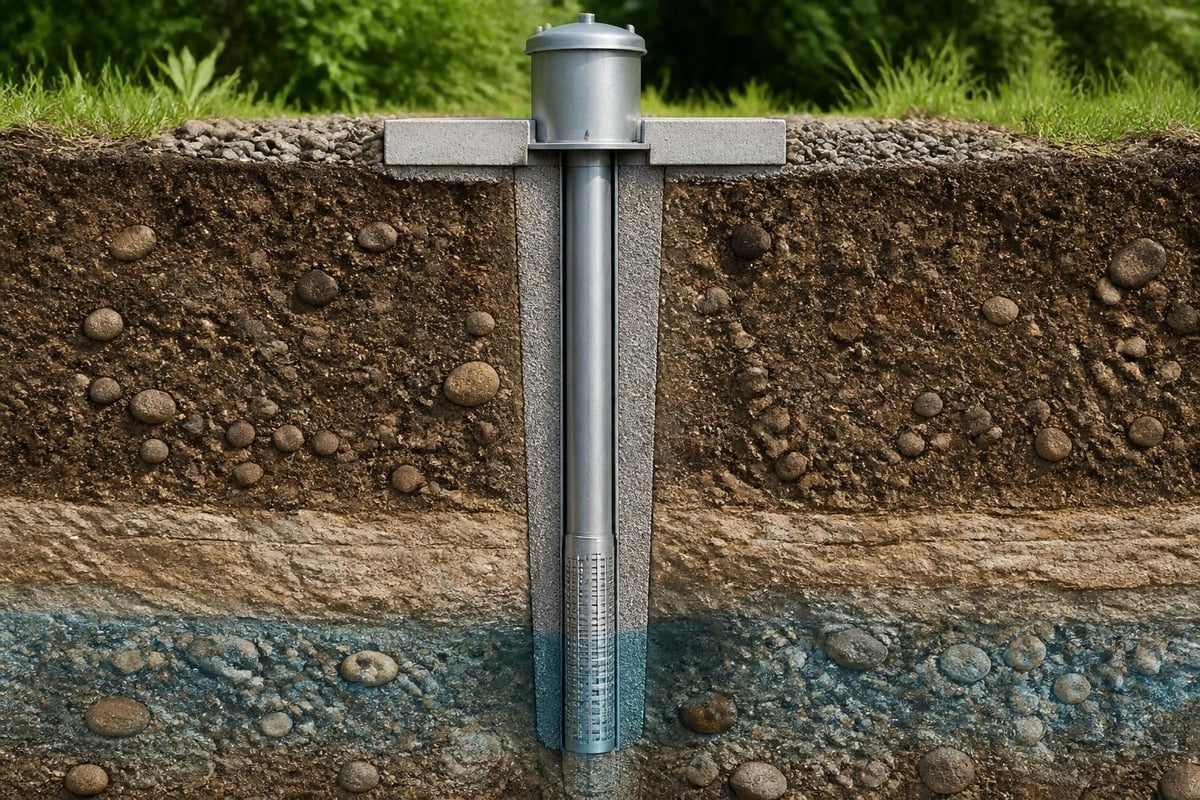
Proper well construction forms the foundation of contamination prevention. Casing installation creates a permanent barrier between the borehole and surrounding formations, preventing surface water infiltration and protecting the aquifer from contamination. Steel or PVC casing extends from the surface to below the water table, with perforated sections or well screens positioned within productive aquifer zones.
The annular space between the casing and borehole wall requires proper sealing with grout or bentonite. This seal prevents contamination migration along the outside of the casing and stabilizes the well structure. Surface seals extend at least 20 feet below ground level in most regulatory jurisdictions.
Key construction elements include:
- Surface casing extending through all unconsolidated formations
- Grouting procedures that completely fill the annular space
- Screen placement optimized for aquifer characteristics
- Sanitary well seal preventing surface water entry
- Proper well development removing drilling fluids and fines
The WHO’s sanitary inspection guidance for boreholes outlines comprehensive hygiene and risk assessment protocols specifically designed for motorized pump installations, which are standard in modern water well systems.
Water Quality Testing and Monitoring
Comprehensive water testing begins during drilling operations and continues throughout the well's operational lifetime. Initial testing during drilling helps identify water-bearing zones and assess preliminary water quality. Post-construction testing confirms that drilling operations haven't compromised water quality and that the well meets drinking water standards.
Baseline testing should analyze:
- Bacterial contamination (total coliform, E. coli)
- Chemical parameters (nitrates, heavy metals, pH)
- Physical characteristics (turbidity, temperature, conductivity)
- Dissolved minerals (hardness, iron, manganese)
- Volatile organic compounds when industrial activity is nearby
The EPA’s guidance on protecting private well water provides homeowners with essential information about testing schedules and contamination risks, including those associated with nearby drilling activities. Regular monitoring ensures early detection of any quality changes that might indicate contamination.
Regulatory Compliance and Environmental Considerations
Drilling in water environments operates within a complex regulatory framework designed to protect groundwater resources and public health. Compliance with federal, state, and local regulations is mandatory and requires thorough documentation, permitting, and adherence to technical standards.
Permitting Requirements
Most jurisdictions require permits before drilling operations commence. Permit applications typically include site plans, proposed well construction details, geological assessments, and environmental impact evaluations. Regulatory agencies review applications to ensure proposed wells won't negatively impact existing water users or compromise aquifer sustainability.
Common permitting considerations include:
- Minimum setback distances from contamination sources
- Well spacing requirements to prevent interference
- Aquifer protection zones and restricted areas
- Water rights allocation and usage limitations
- Construction standards and approved drilling methods
Environmental Impact Management
Responsible drilling operations minimize environmental disruption through careful planning and execution. Site preparation should limit vegetation removal and soil disturbance to the minimum necessary for equipment operation. Drilling fluid and cuttings management prevents soil and water contamination during operations.
The WHO’s Guidelines for Drinking-Water Quality for small water supplies provides updated regulatory standards and practical measures applicable to wells and small-scale water systems, ensuring safety throughout the drilling and operational phases.
Recent research has highlighted potential risks when drilling operations intersect with underground water sources. A scientific study of water quality contamination following hydraulic fracturing incidents demonstrates how underground drilling activities can affect private water wells beyond immediate drilling zones, emphasizing the importance of proper site assessment and protective measures.
Advanced Techniques for Challenging Conditions
Drilling in water under difficult geological conditions requires specialized techniques and equipment. Rocky terrain, unstable formations, and deep aquifers present challenges that standard methods may not adequately address.
Directional Drilling Applications
While traditionally used in oil and gas extraction, directional drilling techniques are increasingly applied to water well projects where vertical access is restricted or where drilling must avoid obstacles. Directional capabilities allow drilling operators to reach aquifers beneath buildings, environmentally sensitive areas, or other surface obstructions.
This technique proves particularly valuable in:
- Urban environments with limited surface access
- Mountainous terrain requiring angle drilling
- Situations requiring multiple wells from single drill pad
- Projects avoiding underground utilities or structures
- Coastal areas where optimal aquifers lie offshore
Drilling Through Hard Rock Formations
Penetrating hard rock formations requires specialized equipment and techniques. Down-the-hole (DTH) hammer drilling uses compressed air to power a pneumatic hammer positioned at the drill bit, delivering high-impact energy directly to the rock face. This method achieves faster penetration rates in hard rock compared to conventional rotary drilling.
| Rock Type | Drilling Challenge | Recommended Method | Special Considerations |
|---|---|---|---|
| Granite | Extreme hardness | DTH hammer, diamond bits | Slow penetration, high equipment wear |
| Limestone | Variable hardness, cavities | Rotary with mud, air rotary | Potential for sudden fluid loss |
| Sandstone | Moderate hardness, friable | Direct rotary, air rotary | Requires casing to prevent collapse |
| Shale | Layered structure, swelling | Controlled rotary speed | Water-sensitive, needs immediate casing |
| Basalt | Very hard, abrasive | DTH hammer, tungsten bits | High bit wear, requires specialized equipment |
Water Quality Protection During Operations
Maintaining water quality throughout drilling operations requires constant vigilance and adherence to best practices. Contamination can occur through multiple pathways, including drilling fluid migration, surface water infiltration, and cross-contamination between aquifers.
Drilling Fluid Management
Drilling fluids serve multiple purposes including cuttings removal, borehole stabilization, and bit cooling. However, these fluids can contaminate aquifers if not properly managed. Fluid selection must consider compatibility with the intended water use and potential environmental impact.
Bentonite-based drilling muds are generally preferred for potable water wells due to their natural composition and ease of removal during well development. Synthetic drilling fluids offer performance advantages in challenging formations but require thorough removal before well completion.
Proper drilling fluid practices include:
- Using only approved additives for potable water wells
- Maintaining appropriate fluid properties (density, viscosity)
- Monitoring fluid returns for contamination indicators
- Implementing containment systems for surface spills
- Proper disposal of used drilling fluids per regulations
Cross-Contamination Prevention
When drilling penetrates multiple aquifers at different depths, preventing cross-contamination between water-bearing zones is critical. Aquitards (impermeable layers) naturally separate aquifers with different water quality characteristics. Drilling operations must preserve these barriers through proper casing and sealing procedures.
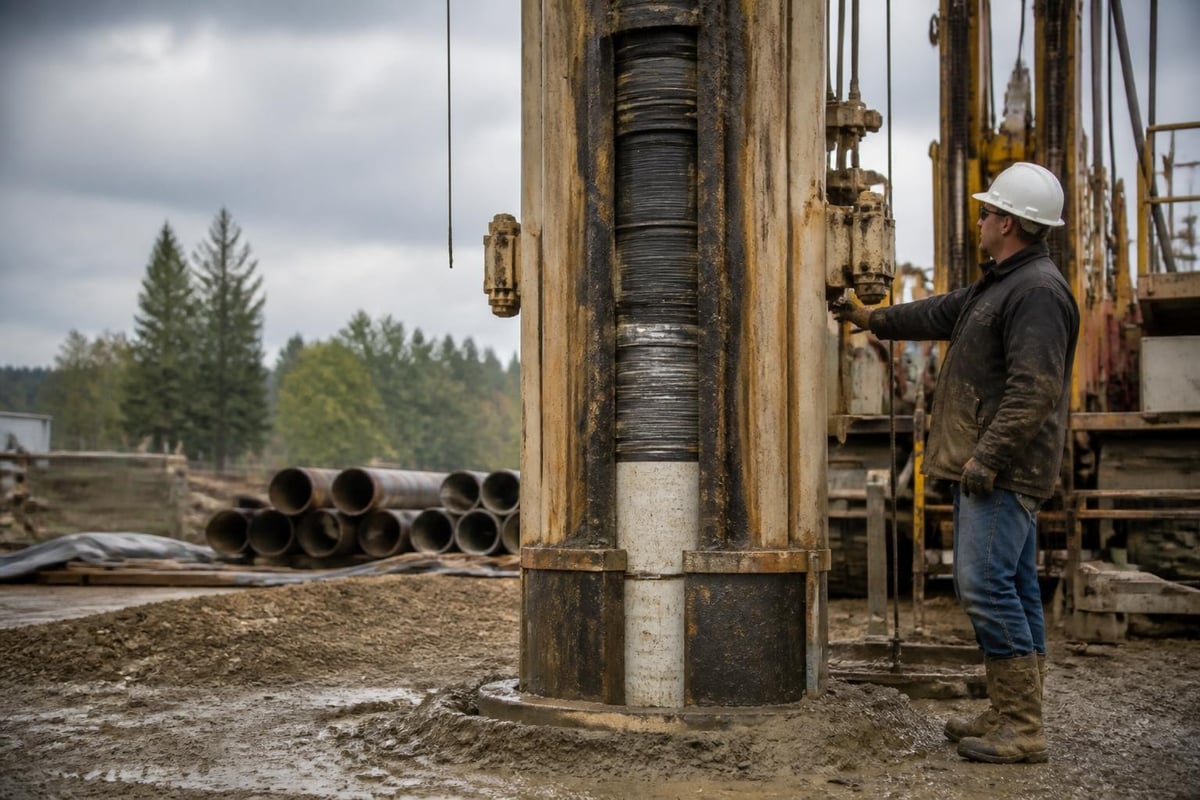
Temporary casing installation during drilling operations protects upper aquifers while drilling continues to target depths. Once the final depth is reached, permanent casing installation and grouting create long-term protection against vertical contamination migration.
Post-Drilling Development and Testing
After drilling reaches the target aquifer, extensive development and testing operations ensure optimal well performance and water quality. These procedures remove drilling-related damage to the aquifer, establish proper well efficiency, and confirm water quality meets intended use standards.
Well Development Procedures
Well development removes fine particles, drilling fluids, and formation damage from the aquifer zone surrounding the well screen. Development techniques include surging, air lifting, over-pumping, and chemical treatment. These methods restore natural aquifer permeability and maximize well yield.
Effective development continues until:
- Water runs clear without sediment
- Pumping rates stabilize at optimal levels
- Water quality parameters meet standards
- Well efficiency reaches acceptable ranges
Development typically requires several hours to multiple days depending on aquifer characteristics, well depth, and the extent of drilling-related damage.
Performance Testing and Yield Assessment
Step-drawdown testing and constant-rate pumping tests determine well capacity and aquifer characteristics. Pump testing measures water level response to pumping at various rates, providing data on sustainable yield, aquifer transmissivity, and well efficiency.
Testing protocols typically include:
- Initial short-duration pumping to verify basic function
- Step-drawdown testing at incrementally increasing rates
- Extended constant-rate testing (12-72 hours minimum)
- Recovery monitoring after pumping cessation
- Water quality sampling at multiple intervals
Long-Term Monitoring and Maintenance
Successful drilling in water projects extends far beyond initial construction. Long-term monitoring and preventive maintenance ensure continued water quality, reliable supply, and protection of the aquifer resource.
Routine Inspection Programs
Regular inspections identify potential problems before they compromise water quality or well performance. Annual inspections should examine surface seals, casing integrity, pump operation, and surrounding site conditions. Any signs of surface water infiltration, casing damage, or contamination risk require immediate corrective action.
Inspection elements include:
- Surface seal condition and watertight integrity
- Casing visible above ground for corrosion or damage
- Proper drainage away from wellhead
- Security measures preventing unauthorized access
- Electrical connections and control systems
- Water quality changes indicating contamination
Water Quality Monitoring Schedules
Ongoing water testing detects changes in water chemistry that might indicate aquifer changes or contamination. Testing frequency depends on well location, surrounding land use, and previous water quality results. Wells in agricultural areas or near potential contamination sources require more frequent testing than those in protected settings.
Recommended testing schedules suggest:
- Annual bacterial testing for all wells
- Chemical analysis every three to five years minimum
- Immediate testing after flooding, nearby construction, or land use changes
- Specialized testing when taste, odor, or appearance changes
- Comprehensive analysis before any water treatment system installation
Technical Innovations Improving Safety
Modern technology continues to advance drilling in water safety and efficiency. Digital monitoring systems, automated controls, and enhanced detection capabilities reduce risks and improve project outcomes.
Real-Time Monitoring Systems
Advanced drilling rigs incorporate sensors monitoring drilling parameters, formation characteristics, and fluid properties in real-time. Digital systems track penetration rates, torque, weight on bit, and fluid returns, alerting operators to potential problems before they escalate.
These systems provide:
- Immediate detection of lost circulation indicating cavities
- Formation changes suggesting aquifer proximity
- Equipment performance data preventing failures
- Automated adjustments optimizing drilling parameters
- Comprehensive data logging for regulatory compliance
Modern technology enables drilling teams to make informed decisions that protect water quality while maximizing operational efficiency. The integration of artificial intelligence and machine learning algorithms further enhances predictive capabilities, identifying patterns that human operators might miss.
Enhanced Detection Technologies
Geophysical logging tools provide detailed information about subsurface formations, water quality, and well construction integrity. Downhole logging includes electrical resistivity, natural gamma radiation, caliper measurements, and fluid temperature profiling. These tools help optimize screen placement, verify grout seal integrity, and characterize aquifer properties.
Advanced detection technologies assist in:
- Precise identification of water-bearing zones
- Water quality assessment before casing installation
- Verification of grout placement and seal integrity
- Detection of casing defects or corrosion
- Aquifer characterization for yield prediction
Successful drilling in water projects require expertise in geology, engineering, regulatory compliance, and water quality protection. Understanding the complexities of aquifer penetration, implementing rigorous safety protocols, and maintaining long-term monitoring programs ensure reliable, sustainable water access. Whether you're planning residential, agricultural, or commercial water supply development, partnering with experienced professionals makes the difference between a functional well and a truly optimized water resource. Terrabuilds Group brings comprehensive expertise in borehole drilling and water treatment engineering, delivering solutions backed by technical excellence and unwavering commitment to quality-contact their team to discuss your water supply project needs.