Accessing reliable groundwater through boreholes represents a critical solution for communities, businesses, and properties seeking independence from municipal water supplies. Whether driven by water scarcity, cost considerations, or the need for operational resilience, understanding how to properly develop, test, and maintain borehole water systems ensures long-term success and water security. This comprehensive guide explores the technical, regulatory, and practical aspects of borehole water development and management.
Understanding Borehole Water Sources and Aquifer Systems
Groundwater accessed through boreholes originates from underground aquifers, geological formations that store and transmit water through porous rock, sand, or gravel. The quality and quantity of borehole water depends heavily on the hydrogeological characteristics of the local aquifer system.
Different aquifer types yield varying water characteristics:
- Unconfined aquifers lie closest to the surface with a water table exposed to atmospheric pressure, making them vulnerable to surface contamination but generally easier to access
- Confined aquifers sit between impermeable layers, creating artesian pressure that can naturally push water upward when tapped
- Fractured rock aquifers store water in cracks and fissures within solid rock formations, common in granite or basalt regions
- Sedimentary aquifers hold water within porous sedimentary rocks like sandstone or limestone, often providing high yields
Hydrogeological Assessment and Site Selection
Proper site investigation determines drilling success and long-term water availability. Professional hydrogeological surveys evaluate geological maps, existing borehole records, and geophysical testing results to identify optimal drilling locations.
The British Geological Survey provides comprehensive guidance on borehole drilling obligations and recommended practices for maintaining geological records that support future water resource management.
Key site selection factors include:
- Distance from potential contamination sources (septic systems, agricultural areas, industrial sites)
- Aquifer depth and thickness based on geological survey data
- Anticipated yield requirements for intended use
- Regulatory setback requirements and permitting considerations
- Access for drilling equipment and future maintenance
Borehole Construction and Development Standards
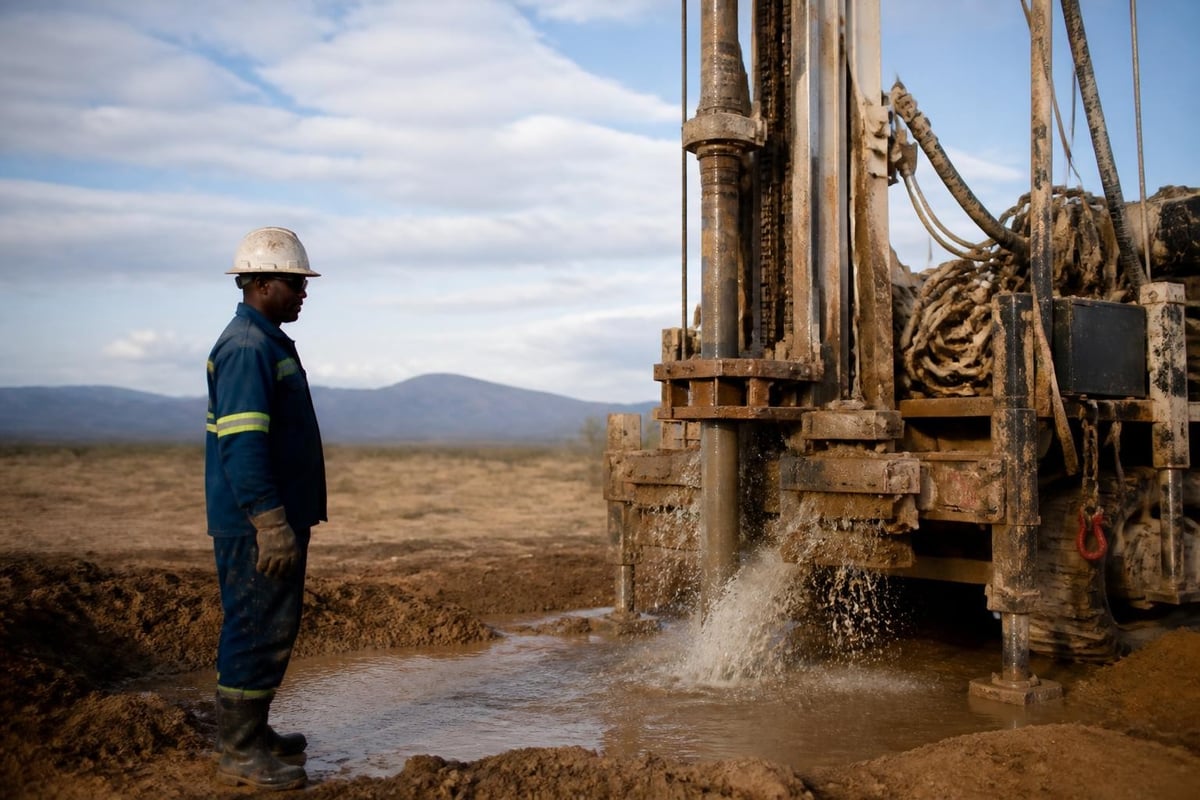
Professional borehole construction follows strict engineering standards to ensure structural integrity, prevent contamination, and maximize sustainable yield. The drilling process itself varies based on geological conditions and borehole depth requirements.
Drilling Methods and Techniques
| Drilling Method | Best Applications | Typical Depth Range | Advantages |
|---|---|---|---|
| Rotary drilling | Most soil/rock types | 50-500+ meters | Fast, versatile, high-capacity |
| Cable tool (percussion) | Consolidated formations | 30-300 meters | Minimal water use, good samples |
| Air rotary | Hard rock formations | 100-600+ meters | Excellent penetration rates |
| Reverse circulation | Large-diameter wells | 50-400 meters | Efficient cuttings removal |
Once drilling reaches the target aquifer, proper well construction ensures long-term functionality. Casing installation protects the borehole from collapse and prevents contamination from surface water or shallow aquifers infiltrating the water column.
Critical Construction Components
Steel or PVC casing creates a sealed conduit from the surface to the production zone. The annular space between the borehole wall and casing receives grout or bentonite seal to prevent downward contamination migration. Screen sections or slotted casing at the water-bearing zone allow water entry while filtering out sediment.
Development procedures clean the borehole and surrounding aquifer after construction:
- Airlifting or surging removes drilling fluids and fine particles from the aquifer
- Chemical treatment dissolves drilling mud residue or mineral deposits
- High-velocity jetting clears screen openings and increases permeability
- Overpumping continues until water runs clear and stabilizes
The World Bank’s borehole design manual provides detailed technical specifications for borehole construction in various geological settings, particularly valuable for rural water supply projects.
Water Quality Testing and Analysis Requirements
Raw borehole water quality varies dramatically based on aquifer mineralogy, residence time, and recharge characteristics. Comprehensive testing establishes baseline quality and identifies necessary treatment before use.
Essential Testing Parameters
Physical parameters include temperature, color, turbidity, and total dissolved solids (TDS). These affect aesthetic quality and indicate potential treatment needs. Turbidity above 5 NTU suggests filtration requirements.
Chemical parameters encompass pH, hardness, iron, manganese, nitrates, sulfates, and heavy metals. Agricultural or industrial areas may require expanded testing for specific contaminants like pesticides or solvents.
Microbiological testing screens for total coliform bacteria, E. coli, and other pathogens. Even deep boreholes can harbor bacteria if construction allowed surface water infiltration or if the aquifer receives contaminated recharge.
The EPA provides detailed guidance on private water well testing with recommended testing frequencies and parameters based on well location and surrounding land use.
Sampling Protocol and Quality Assurance
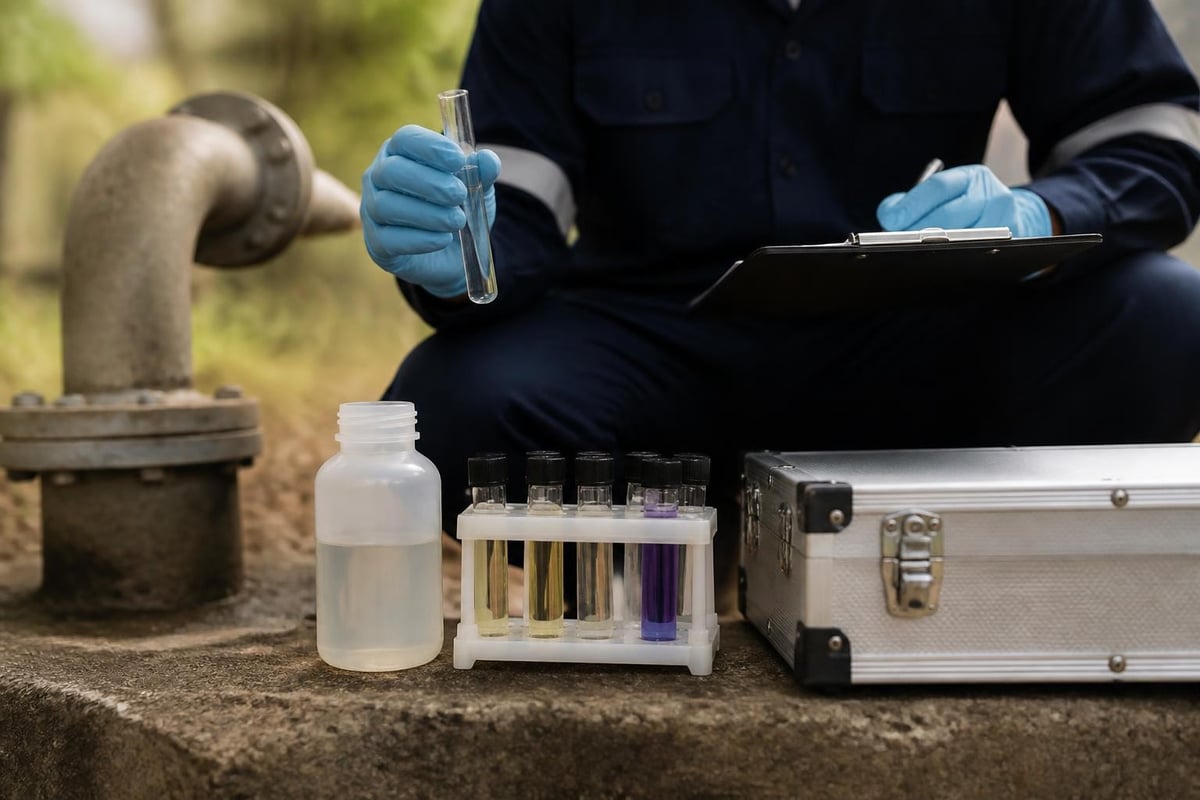
Proper sampling technique prevents false results that waste resources or miss actual contamination. Boreholes should run for 10-15 minutes before sampling to purge standing water and obtain representative aquifer samples.
Sample collection procedures include:
- Sterilize sampling taps with flame or chlorine solution
- Allow water to flow at moderate rate without splashing
- Fill containers according to laboratory specifications (sterile bottles for bacteria, acid-preserved for metals)
- Label samples immediately with location, date, time, and sampler identification
- Maintain cold chain (4°C) during transport to laboratory
Regular monitoring programs track water quality trends and detect emerging contamination early. Quarterly testing for basic parameters and annual comprehensive analysis provides adequate surveillance for most installations.
Treatment Systems for Borehole Water Purification
Most borehole water requires some treatment to meet drinking water standards established by the World Health Organization’s drinking water quality guidelines. Treatment system design depends on specific contaminants present and intended water use.
Common Treatment Technologies
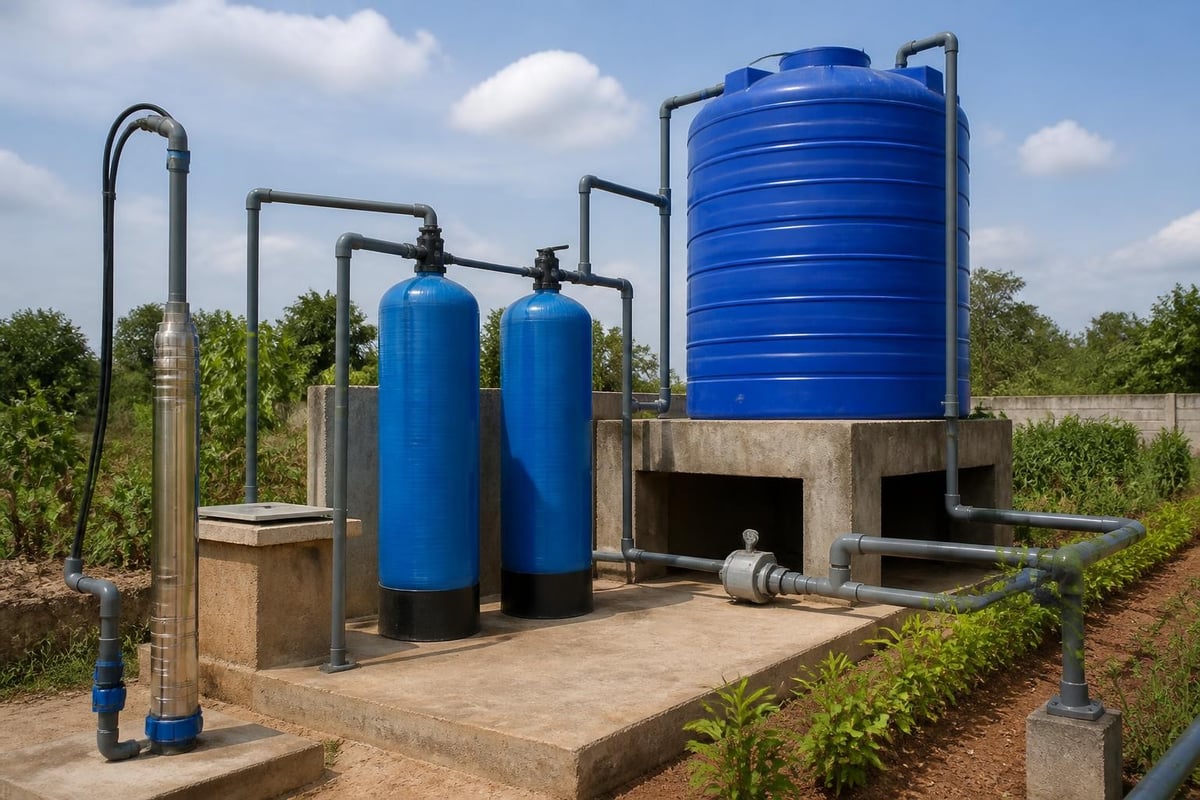
Sediment filtration removes particulates through cartridge filters, multimedia filters, or automatic backwashing systems. Essential when turbidity exceeds acceptable limits or to protect downstream equipment.
Iron and manganese removal employs oxidation followed by filtration. Aeration or chemical oxidation converts dissolved metals to precipitates captured by filter media. Greensand or catalytic media accelerate the process.
Water softening addresses hardness through ion exchange resins that replace calcium and magnesium with sodium. Critical for protecting equipment and improving soap efficiency in areas with hard groundwater.
Disinfection systems eliminate microbiological contamination through chlorination, UV radiation, or ozone treatment. UV systems provide chemical-free disinfection but require pre-filtration to ensure effective light transmission.
| Contaminant | Treatment Method | Effectiveness | Maintenance Level |
|---|---|---|---|
| Turbidity | Multimedia filtration | 95-99% removal | Medium (backwashing) |
| Iron/Manganese | Oxidation + filtration | >95% removal | Medium (media regeneration) |
| Hardness | Ion exchange softening | 90-95% removal | High (salt regeneration) |
| Bacteria | UV disinfection | 99.99% inactivation | Low (annual lamp replacement) |
| Nitrates | Reverse osmosis | 85-95% removal | Medium (membrane replacement) |
Advanced Treatment Considerations
Emerging contaminants like PFAS (per- and polyfluoroalkyl substances) require specialized treatment. The National Ground Water Association provides technical resources on PFAS occurrence in groundwater and treatment options for private well owners facing these persistent chemicals.
Reverse osmosis systems remove the widest range of contaminants including dissolved minerals, heavy metals, nitrates, and organic compounds. However, they generate wastewater and require significant operating pressure, making them better suited for point-of-use rather than whole-property treatment.
Pumping Systems and Distribution Infrastructure
Efficient water delivery from borehole to point of use requires properly sized pumping equipment and distribution networks. Pump selection depends on borehole depth, required flow rate, and total dynamic head calculations.
Submersible Pump Selection
Submersible pumps installed below the water table offer superior efficiency and reliability compared to surface pumps. Multistage centrifugal designs provide high pressure capability from narrow boreholes.
Critical pump specifications:
- Flow capacity matched to peak demand plus treatment system requirements
- Total head accounting for static lift, friction losses, and operating pressure needs
- Motor power sufficient for maximum load conditions with safety margin
- Construction materials resistant to water chemistry (stainless steel for corrosive conditions)
Variable frequency drives optimize pump performance by adjusting speed to match demand, reducing energy consumption and mechanical stress. Pressure tanks buffer supply and reduce pump cycling frequency.
Distribution and Storage
Borehole water systems benefit from storage tanks that provide reserve capacity during peak demand or pump maintenance. Elevated or pressurized storage maintains consistent pressure throughout the distribution network.
Water storage considerations include:
- Minimum capacity of 24-48 hours average consumption
- Food-grade materials (polyethylene, fiberglass, or epoxy-lined steel)
- Overflow and drain provisions for cleaning and maintenance
- Secure covers preventing contamination or unauthorized access
- Level monitoring and automatic pump controls
Regulatory Compliance and Permitting Requirements
Borehole development operates under various regulatory frameworks governing groundwater extraction, well construction standards, and water quality compliance. Requirements vary by jurisdiction but share common environmental protection objectives.
Permitting and Authorization
Most regions require permits before drilling to protect groundwater resources and prevent conflicts with existing users. Applications typically include:
- Proposed borehole location and intended use
- Estimated extraction volumes and pumping rates
- Hydrogeological assessment demonstrating sustainable yield
- Construction methodology and materials specifications
- Environmental impact considerations
Licensed drilling contractors familiar with local regulations ensure compliance throughout construction. Detailed well logs documenting geological formations, casing depths, and screen placement become permanent public records.
Monitoring and Reporting Obligations
Regulatory agencies may require periodic reporting of extraction volumes, water levels, and quality testing results. Large-scale abstractions face stricter oversight with mandatory water meters and annual reporting.
The EPA’s guidance on monitoring well installation and sampling protocols provides technical standards applicable to environmental monitoring boreholes and can inform quality assurance procedures for production wells.
Maintenance Programs and Long-Term Management
Systematic maintenance preserves borehole performance and extends operational life. Neglected wells experience declining yields, increasing costs, and potential failure requiring expensive rehabilitation or replacement.
Preventive Maintenance Schedule
Monthly tasks include checking pump operation, monitoring water levels and pressure, inspecting treatment systems, and testing backup power systems. Visual inspections identify leaks, corrosion, or other developing problems.
Quarterly activities encompass treatment system maintenance (filter changes, media regeneration, UV lamp inspection) and basic water quality testing for key parameters.
Annual comprehensive servicing involves:
- Professional pump inspection and electrical testing
- Video camera survey of borehole condition
- Comprehensive water quality analysis
- Treatment system performance verification
- Security and safety equipment checks
Troubleshooting Common Issues
Declining well yield indicates screen clogging, aquifer depletion, or pump wear. Rehabilitation techniques include mechanical surging, chemical treatment to dissolve mineral deposits, or high-pressure jetting to restore screen capacity.
Water quality deterioration suggests contamination pathways developing or changes in aquifer conditions. Immediate investigation prevents health risks and identifies corrective actions.
| Problem | Likely Causes | Solutions |
|---|---|---|
| Reduced flow | Screen clogging, pump wear | Rehabilitation, pump replacement |
| Increased turbidity | Screen damage, aquifer disturbance | Video inspection, seal repairs |
| Bacterial contamination | Faulty sanitary seal, surface infiltration | Disinfection, wellhead reconstruction |
| Rising iron/manganese | Changing redox conditions | Enhanced aeration, treatment adjustment |
Sustainable Groundwater Management Practices
Long-term borehole water availability depends on balanced extraction rates that allow aquifer recharge. Sustainable management considers both immediate needs and future resource preservation.
Aquifer Recharge and Recovery
Natural recharge occurs through rainfall infiltration, surface water seepage, and subsurface flow from adjacent formations. Extraction rates exceeding recharge cause water table decline, reduced yields, and potential land subsidence in severe cases.
Monitoring static water levels reveals aquifer trends. Stable or recovering levels indicate sustainable pumping, while continuous decline signals overextraction requiring reduced usage or additional sources.
Artificial recharge projects enhance natural processes through:
- Surface spreading basins that promote infiltration
- Injection wells returning treated water underground
- Managed aquifer recharge coordinating multiple users
- Rainwater harvesting reducing extraction demand
Water Conservation Integration
Efficient water use extends available supply without additional extraction. Leak detection and repair programs prevent waste, while water-efficient fixtures and appliances reduce consumption.
Dual-quality systems separate high-grade treated water for potable uses from minimally treated supplies for irrigation or industrial processes, optimizing treatment costs and resource utilization.
Economic Considerations and Cost Analysis
Borehole water systems require significant upfront investment offset by long-term savings compared to municipal supplies or water delivery services. Comprehensive cost analysis supports informed decision-making.
Capital Investment Components
Initial costs include site investigation, permitting, drilling, casing, pump installation, treatment systems, and distribution infrastructure. Typical ranges vary by depth, geology, and treatment requirements:
- Shallow boreholes (30-50 meters): $8,000-$15,000 complete installation
- Medium depth (50-150 meters): $15,000-$40,000 with basic treatment
- Deep boreholes (150+ meters): $40,000-$100,000+ for complex geology
Treatment system costs depend on water quality and required capacity, ranging from simple sediment filtration ($500-$2,000) to comprehensive multi-stage systems ($10,000-$50,000+).
Operating Costs and Return on Investment
Ongoing expenses include electricity for pumping, treatment consumables (filters, regeneration chemicals, UV lamps), testing, maintenance, and periodic equipment replacement.
Annual operating costs typically range from $500-$3,000 for residential systems and $3,000-$15,000+ for commercial installations, depending on usage volume and treatment complexity.
Payback calculations compare total system costs against avoided water purchase expenses. Many installations achieve full payback within 3-7 years, providing decades of low-cost water afterward.
Risk Management and Contingency Planning
Reliable water access requires backup systems and contingency procedures addressing potential failures. Risk assessment identifies vulnerabilities and prioritizes protective measures.
System Redundancy Options
Dual pump installations provide immediate backup if the primary pump fails, critical for operations intolerant of supply interruptions. Automatic changeover maintains continuous service.
Emergency generators or solar power systems ensure pumping capability during electrical outages. Battery backup maintains treatment system operation and monitoring.
Interconnections with municipal supplies or neighboring wells create alternative sources during borehole maintenance or contamination events.
Emergency Response Protocols
Documented procedures guide responses to various scenarios:
- Immediate actions for bacterial contamination detection
- Alternative water sources during system failures
- Communication protocols notifying affected users
- Contractor contact information for rapid repairs
- Water quality deterioration investigation procedures
Regular drills verify personnel understand their roles and systems function as designed. Annual plan reviews incorporate lessons learned and updated contact information.
Successful borehole water systems deliver reliable, cost-effective water supply through proper planning, professional installation, and diligent maintenance. Understanding the technical requirements, regulatory obligations, and best management practices ensures your investment provides decades of dependable service. Whether you're considering a new borehole installation or optimizing an existing system, Terrabuilds Group brings expert engineering, quality construction, and comprehensive water treatment solutions tailored to your specific needs and site conditions.