Access to clean, reliable water remains one of the most critical infrastructure challenges facing communities and businesses worldwide. A water supply borehole offers a sustainable solution for extracting groundwater, providing independence from municipal systems while ensuring consistent access to this vital resource. Whether for agricultural operations, industrial facilities, residential developments, or commercial properties, understanding the technical, regulatory, and operational aspects of borehole development is essential for long-term success.
Understanding Water Supply Borehole Fundamentals
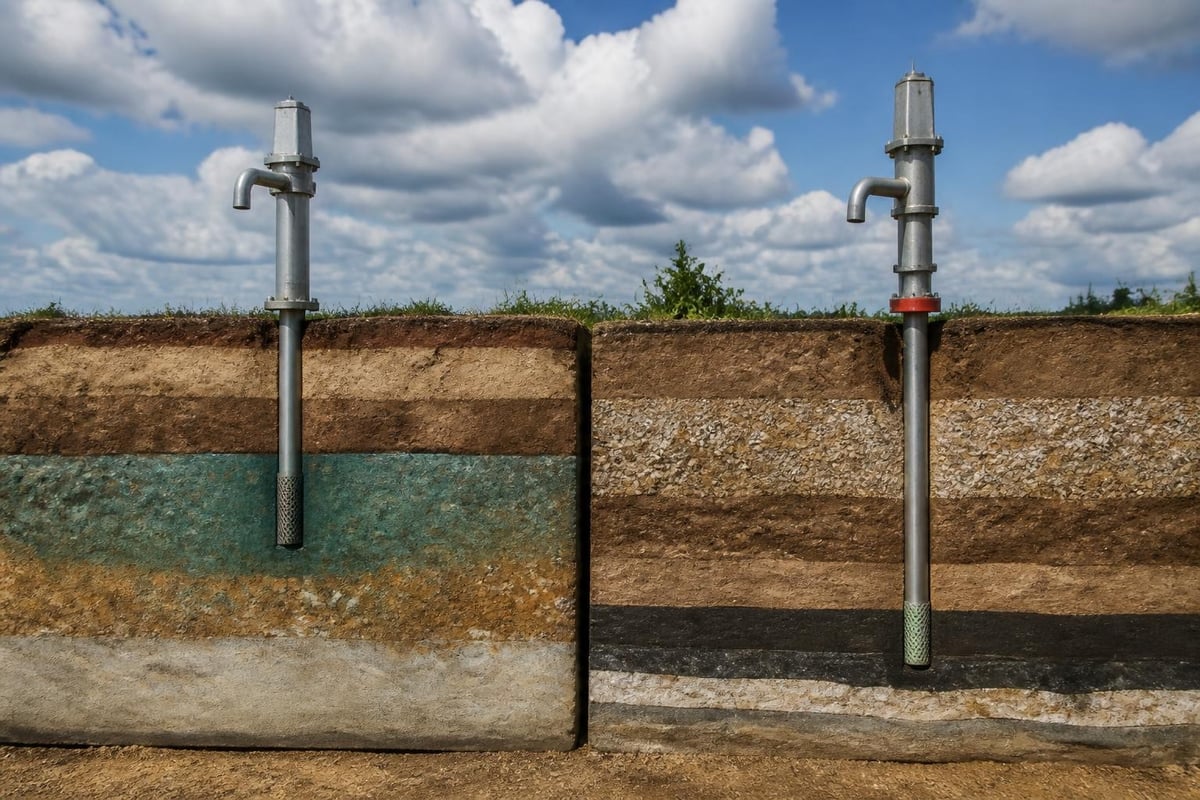
A water supply borehole is a narrow shaft drilled into the earth to access underground aquifers for potable or non-potable water extraction. Unlike shallow wells, boreholes typically penetrate deeper geological formations, reaching confined or unconfined aquifers that contain water stored in porous rock, sand, or gravel layers. The depth of a borehole can range from 50 feet to several hundred feet, depending on local hydrogeological conditions and water demand requirements.
Geological Considerations and Aquifer Types
The success of any water supply borehole depends heavily on understanding subsurface geology. Aquifers fall into two primary categories: unconfined aquifers, where water accumulates in permeable material above an impermeable layer, and confined aquifers, where water is trapped between two impermeable layers under pressure. Confined aquifers often provide higher yields and better natural protection from surface contamination.
Professional hydrogeological surveys identify promising drilling locations by analyzing:
- Rock formations and permeability characteristics
- Historical water table levels and seasonal fluctuations
- Existing borehole performance data in the area
- Potential contamination sources within the capture zone
- Recharge rates and sustainable yield estimates
Planning and Site Selection Strategies
Proper planning determines the viability and longevity of a water supply borehole project. The UNICEF Borehole Drilling Planning, Contracting & Management toolkit provides comprehensive operational guidance for project development, emphasizing the importance of thorough feasibility assessments before mobilizing drilling equipment.
Regulatory Compliance and Permitting
Most jurisdictions require permits before drilling a water supply borehole. Regulatory frameworks typically address:
- Water rights allocation – securing legal authorization to extract groundwater
- Environmental impact assessments – evaluating potential effects on ecosystems
- Spacing requirements – maintaining minimum distances from existing wells
- Construction standards – adhering to approved drilling and completion methods
- Reporting obligations – submitting drilling logs, yield tests, and water quality data
The World Bank’s Environmental and Social Management Framework offers practical guidance on integrating environmental safeguards into borehole projects, ensuring sustainable development practices.
Risk Assessment and Sanitary Protection
Contamination prevention begins with proper site selection. Water supply boreholes should be positioned uphill from potential pollution sources and protected by designated sanitary zones. The WHO sanitary inspection package for boreholes with motorized pumps provides practical checklists for assessing site risks and implementing protective measures.
Critical setback distances include:
| Potential Contamination Source | Minimum Distance |
|---|---|
| Septic tanks and drain fields | 100-150 feet |
| Livestock areas and feedlots | 200-300 feet |
| Fuel storage tanks | 150-200 feet |
| Agricultural chemical storage | 200-400 feet |
| Solid waste disposal sites | 500-1000 feet |
Drilling Methods and Technical Specifications
The choice of drilling technique significantly impacts cost, timeline, and borehole performance. The FAO technical guidance on groundwater development covers various drilling methods suitable for different geological conditions, helping project managers select appropriate technologies.
Common Drilling Techniques
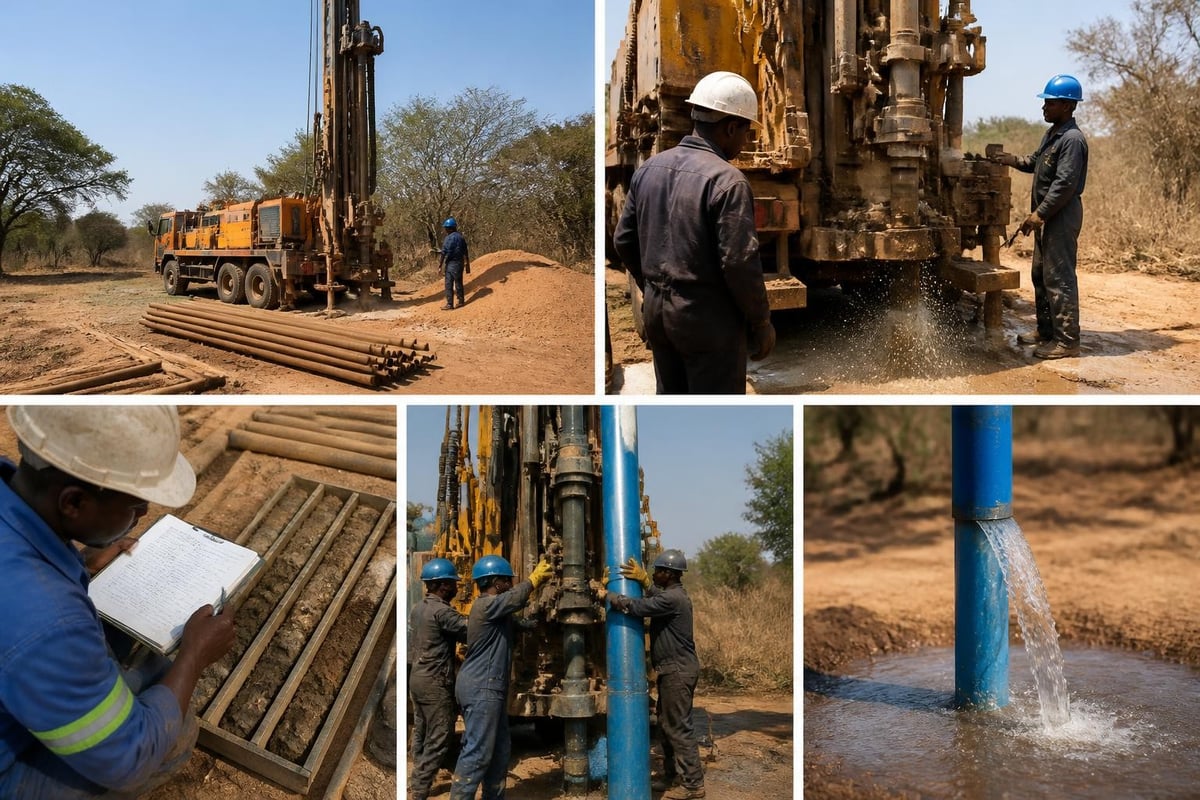
Rotary drilling uses a rotating drill bit with circulating fluid (mud or air) to cut through formations and remove cuttings. This versatile method works well in diverse geological conditions and allows for larger diameter boreholes. Air-rotary drilling proves particularly effective in hard rock formations, while mud-rotary excels in unconsolidated sediments.
Down-the-hole (DTH) hammer drilling employs a pneumatic hammer at the drill bit face, delivering rapid percussive blows to fracture rock. This technique achieves faster penetration rates in hard crystalline rocks and produces straighter boreholes with minimal deviation.
Cable tool drilling, though slower, remains valuable for specific applications. This method repeatedly lifts and drops a heavy drill bit to pulverize formations, offering excellent sample recovery and precise geological logging capabilities.
Borehole Construction and Casing Installation
Proper construction ensures structural integrity and prevents aquifer contamination. A typical water supply borehole incorporates multiple protective elements:
- Surface casing – extends below shallow aquifers to seal out surface water
- Production casing – screens the target aquifer while supporting the borehole walls
- Well screen – allows water entry while filtering out formation materials
- Gravel pack – surrounds the screen to enhance well efficiency and prevent sand pumping
- Sanitary seal – grouted annular space preventing surface contamination migration
The USGS guidelines for groundwater quality studies provide authoritative technical standards for well installation, completion, and documentation, ensuring boreholes meet professional engineering specifications.
Pump Selection and Water Delivery Systems
After successful drilling and completion, selecting appropriate pumping equipment determines operational efficiency and reliability. Water supply borehole pumps must match aquifer yield, water demand patterns, and vertical lift requirements.
Pump Types and Applications
| Pump Type | Typical Depth Range | Best Applications | Key Advantages |
|---|---|---|---|
| Submersible | 50-800+ feet | Deep boreholes, high demand | Efficient, quiet, protected |
| Jet pumps | Up to 100 feet | Shallow to moderate depth | Lower cost, easy service |
| Line shaft turbine | 100-600 feet | Municipal, industrial | High flow capacity |
| Solar submersible | Variable | Remote locations | Energy independent |
Pump sizing calculations consider static water level, drawdown during pumping, friction losses in delivery piping, and required pressure at point of use. Oversized pumps waste energy and may damage aquifers through excessive drawdown, while undersized equipment fails to meet demand during peak periods.
Variable Frequency Drives and Energy Efficiency
Modern water supply borehole installations increasingly incorporate variable frequency drives (VFDs) that adjust pump speed to match real-time demand. This technology delivers multiple benefits:
- Reduced energy consumption during low-demand periods
- Extended pump and motor service life through soft-start capabilities
- Maintained system pressure without mechanical pressure tanks
- Lower operational costs over the system lifecycle
Water Quality Monitoring and Treatment Integration
Raw groundwater quality varies significantly based on geological formations, recharge sources, and human activities. The WHO Guidelines for drinking-water quality addressing small water supplies provide up-to-date guidance on risk-based management and quality control for groundwater sources.
Common Groundwater Contaminants
Water supply borehole owners must understand potential contamination risks to implement appropriate testing protocols and treatment systems. The EPA’s overview of well water contaminants identifies priority concerns including:
Naturally occurring contaminants: Iron, manganese, hardness minerals (calcium/magnesium), arsenic, fluoride, and radon enter groundwater through rock dissolution and mineral weathering processes.
Biological contamination: Bacteria, viruses, and parasites may infiltrate poorly constructed or maintained boreholes, particularly in areas with inadequate sanitary protection.
Agricultural chemicals: Nitrates from fertilizers and pesticide residues pose significant risks in agricultural regions, requiring regular monitoring and potential treatment.
Industrial pollutants: Heavy metals, volatile organic compounds, and petroleum products threaten water quality near manufacturing facilities, service stations, and contaminated sites.
Treatment System Design
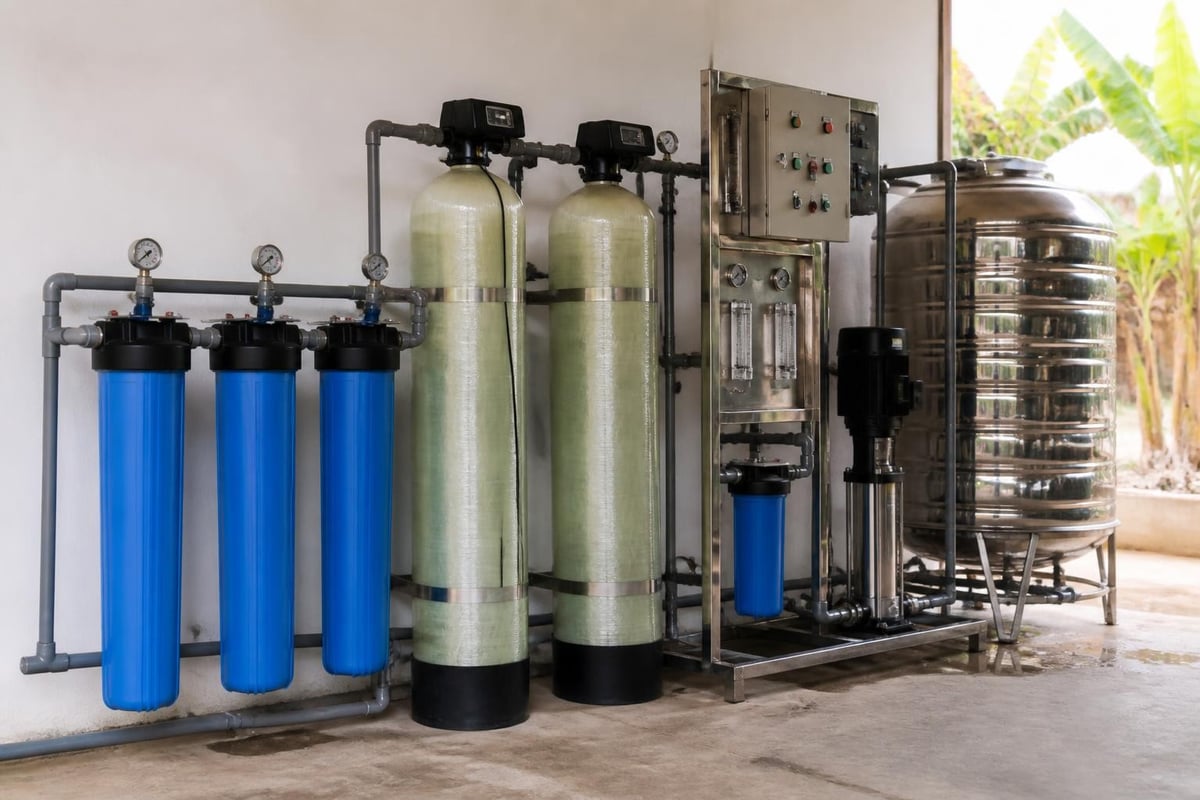
Many water supply boreholes require treatment to meet drinking water standards or specific industrial process requirements. Treatment train design addresses identified contaminants through targeted technologies:
- Mechanical filtration – removes sediment, iron, and manganese
- Ion exchange softening – reduces hardness and removes specific ions
- Reverse osmosis – eliminates dissolved solids, heavy metals, and salts
- Ultraviolet disinfection – inactivates biological contaminants without chemicals
- Chemical dosing – adjusts pH and precipitates problem minerals
Maintenance and Long-Term Management
Sustained water supply borehole performance requires proactive maintenance programs addressing mechanical systems, water quality, and hydrogeological conditions. The EPA guidance on private well maintenance emphasizes regular inspection and testing protocols.
Preventive Maintenance Schedule
Annual inspections should evaluate:
- Pump operation and electrical systems
- Pressure tanks and control switches
- Surface seals and protective casings
- Sanitary conditions around wellhead
- Water level trends and pumping rates
Quarterly water quality testing monitors bacteria, nitrates, and key indicators specific to local risk factors. Following significant rainfall events or nearby land use changes, additional sampling detects potential contamination early.
Well Rehabilitation Techniques
Even properly constructed boreholes experience gradual performance decline. Common issues include:
- Biofouling from iron-oxidizing bacteria
- Mineral encrustation on screens and casings
- Fine sediment accumulation reducing permeability
- Physical damage to screens or pump components
Rehabilitation methods range from chemical treatment and mechanical brushing to high-pressure jetting and redevelopment pumping. The Rural Water Supply Network resources offer sector knowledge on cost-effective rehabilitation strategies extending borehole service life.
Sustainable Yield and Aquifer Protection
Responsible water supply borehole management balances current extraction needs with long-term aquifer sustainability. Overdrafting depletes groundwater reserves, potentially causing permanent aquifer damage through compaction of water-bearing formations.
Monitoring Sustainable Extraction Rates
Sustainable yield represents the maximum extraction rate that maintains aquifer health without progressive water level decline. Determining sustainable yield requires:
- Long-term water level monitoring in extraction and observation wells
- Pumping test analysis establishing aquifer hydraulic properties
- Recharge rate estimation through water budget analysis
- Regional groundwater modeling predicting cumulative impacts
Adaptive management strategies adjust pumping rates based on monitoring data, ensuring extraction remains within sustainable limits during drought periods while optimizing production during high-recharge years.
Climate Resilience Considerations
Climate variability affects groundwater recharge patterns and water supply borehole reliability. Forward-thinking projects incorporate climate resilience through:
- Conservative yield estimates accounting for potential recharge reduction
- Backup water sources or storage capacity for drought periods
- Aquifer storage and recovery systems banking excess wet-season recharge
- Demand management programs reducing consumption during stress periods
Economic Analysis and Project Financing
Water supply borehole development requires significant capital investment offset by long-term operational savings compared to alternative water sources. Comprehensive economic analysis evaluates total lifecycle costs including drilling, equipment, treatment systems, energy consumption, and maintenance.
Cost Components and Variables
Initial development costs vary widely based on:
| Cost Factor | Typical Range | Primary Drivers |
|---|---|---|
| Drilling (per foot) | $15-150 | Geology, depth, diameter |
| Pump and controls | $2,000-25,000 | Depth, capacity, features |
| Treatment systems | $3,000-100,000+ | Water quality, flow rate |
| Electrical service | $5,000-50,000 | Distance, power requirements |
| Testing and permits | $1,000-10,000 | Jurisdiction, complexity |
Operating costs include electricity (typically largest ongoing expense), maintenance, water testing, and periodic equipment replacement. Payback analysis compares these costs against municipal water rates or alternative supply options, often showing positive returns within 5-10 years for commercial and industrial applications.
Professional Services and Quality Assurance
Successful water supply borehole projects depend on qualified professionals throughout planning, drilling, and operation phases. Engaging experienced hydrogeologists, drilling contractors, and water treatment specialists minimizes risks and optimizes long-term performance.
Contractor Selection Criteria
Due diligence in contractor selection protects project investments. Evaluate drilling contractors based on:
- Relevant experience with similar geological conditions and project scales
- Licensing, insurance, and professional certifications
- Equipment capability matching project technical requirements
- References from recent comparable projects
- Quality assurance procedures and documentation practices
- Financial stability and bonding capacity
Clear contracts specify performance standards, payment terms tied to milestones, and remediation protocols if boreholes fail to meet yield or quality specifications.
Quality Control During Construction
Active project oversight ensures compliance with design specifications and regulatory requirements. Critical quality control checkpoints include:
- Verification of drilling location and setback distances
- Geological logging confirming expected formations
- Screen placement matching productive zones
- Proper grout placement and curing
- Development pumping removing drilling fluids
- Yield testing demonstrating sustainable capacity
- Water quality sampling establishing baseline conditions
Developing a reliable water supply borehole requires careful planning, professional execution, and ongoing stewardship to ensure decades of dependable service. From initial site selection and hydrogeological assessment through drilling, completion, and long-term maintenance, each phase demands technical expertise and quality-focused implementation. Terrabuilds Group combines specialized borehole drilling capabilities with comprehensive water treatment solutions, delivering turnkey projects that meet your specific water supply needs while ensuring regulatory compliance, sustainable aquifer management, and exceptional long-term reliability.